In This Guide
- 1.Nasi Lemak Tanglin: The Post-Midnight Standard
- 2.Warung Pak Mat Western: Where 'Western' Means Something Else Entirely
- 3.Lontong Klang at Kak Yah's: A Dish That Doesn't Wait
- 4.The Roti Canai Midnight Circuit on Jalan Raja Muda Musa
- 5.Satay Kampung Baru: The Charcoal Ritual at Satay Abidin
- 6.Kuih Muih at Pasar Minggu: Sunday Morning's Sweet Finale
- 7.Ikan Bakar Along the Back Lanes: Grilled Fish Without the Show
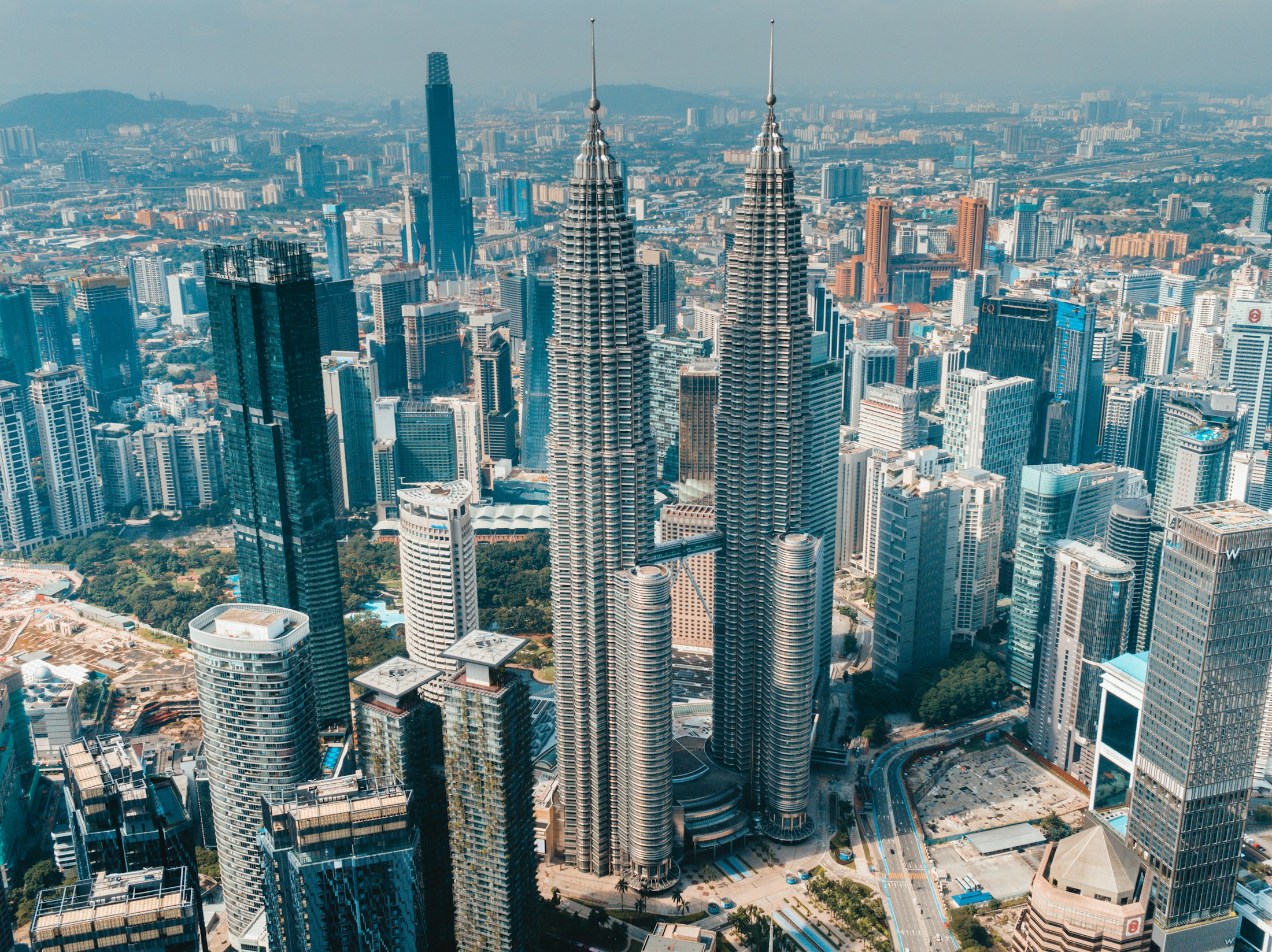
The bazaar stalls have been dismantled, the Ramadan crowds have dissolved, and Kampung Baru exhales. In the weeks after Hari Raya Aidilfitri, this stubborn Malay enclave — wooden houses crouching beneath the Petronas Towers' glow — returns to a rhythm most visitors never witness. The night warungs reopen quietly, serving food that predates KL's obsession with viral cheese pulls and charcoal buns. This is supper at its most unhurried.
This guide maps the post-Ramadan suppers that even many KL residents overlook: the specific stalls, the dishes worth crossing the city for, the unwritten etiquette of eating in a neighbourhood that has resisted redevelopment since 1900. If you've only visited Kampung Baru during the frenzy of a Ramadan bazaar, you've experienced the spectacle but missed the soul. These quieter weeks reveal something more honest — the kampung feeding itself, not performing for an audience.
1. Nasi Lemak Tanglin: The Post-Midnight Standard
Start where the neighbourhood starts — at Nasi Lemak Tanglin on Jalan Raja Muda Musa, a stall that only truly hits stride after 11pm. The sambal here is pounded dark and slow, closer to a relish than the sweet slick you'll find at commercial operations. It carries a fermented depth that suggests belacan aged properly, not squeezed from a tube.
Order the nasi lemak with sambal sotong and a fried egg, nothing more. The squid is cooked until it just resists your teeth, lacquered in that brooding sambal. Adding rendang or ayam goreng buries the point — this is a dish about the rice-sambal relationship. The coconut milk in the rice is restrained, fragrant rather than fatty.
After Ramadan, the queue vanishes. You'll eat on a plastic chair under a tarpaulin with motorcycle couriers and night-shift taxi drivers. The absence of food bloggers with ring lights is conspicuous and welcome. Conversation happens naturally here when the crowd thins.
The stall typically closes by 3am but runs out of sambal sotong earlier. Arrive before midnight on weekdays for the full spread. Weekend nights draw a slightly younger crowd from the nearby bars on Jalan Doraisamy, but even then, the atmosphere stays muted and local.
Pro tip:Ask for 'sambal lebih' (extra sambal) — they don't charge for it and it transforms the plate. Skip the bottled drinks and order teh tarik from the drinks stall two tables over.
2. Warung Pak Mat Western: Where 'Western' Means Something Else Entirely
The name misleads beautifully. Warung Pak Mat Western, tucked along Jalan Raja Abdullah, serves Malay-interpreted Western food — lamb chops and chicken chops drenched in homemade black pepper sauce and mushroom gravy that owes more to Kelantan than Kansas. This is comfort food born from kampung cooks watching 1980s TV and improvising.
Your order should be the lamb shoulder chop with black pepper sauce, served on a sizzling hotplate with coleslaw and a pile of crinkle-cut fries. The meat is never pink — this is halal cooking with different expectations — but the char and the sauce compensate generously. A squeeze of lime from the garnish cuts through everything.
Post-Ramadan evenings here are familial. Extended families occupy long tables, toddlers sleeping on laps, grandmothers eating slowly. You're welcome, but you're clearly a guest in someone's neighbourhood. Nod, smile, and don't photograph people without asking. This isn't content; it's someone's Tuesday dinner.
Prices are startling — a full lamb chop meal with a drink runs under RM18. The stall operates from roughly 6pm until midnight, but the lamb sells out by 10pm on weekends. There's no signage visible from the main road; look for the cluster of plastic tables opposite the low-rise flats.
Pro tip: Pair your chop with a milo dinosaur from the adjacent drinks stall — the powdered malt on top soaks into the iced drink and creates a textural contrast that locals consider essential to the experience.

Stay in Kuala Lumpur
Top-rated hotels near Kuala Lumpur
Best locations · Verified reviews · Free cancellation
View deals
Expedia →3. Lontong Klang at Kak Yah's: A Dish That Doesn't Wait
Lontong — compressed rice cakes in a turmeric-stained coconut vegetable broth — is a Hari Raya staple, but Kak Yah keeps serving it weeks after the festival ends, from a house-front stall near the corner of Jalan Raja Bot and Jalan Raja Muda Abdul Aziz. She starts at 7am and is finished by 10am. This is not a supper item; it's a morning detour that earns its place in a late-night guide because it resets the palate.
The broth here is thick, almost porridge-like, loaded with cabbage, long beans, tofu puffs, and a sambal tumis spooned on top that carries enough heat to wake the dead. The lontong blocks are firm, chewy, and cut into precise cubes — a sign the rice was wrapped tightly in banana leaf and compressed overnight.
Ask for 'kuah lebih' — more broth — and a boiled egg. The egg yolk dissolves into the gravy and enriches it further. Kak Yah doesn't have a formal stall name or a Google listing. She's simply known. If you can't find her, ask anyone on the street for 'lontong dekat simpang' and they'll point the way.
This dish disappears from most stalls within a week of Raya. Kak Yah extends it through the month because her regulars demand it. By June, it's gone until the following year. Timing your visit to this window is the entire point of this article.
Pro tip: Bring your own container if you want takeaway — Kak Yah uses thin plastic bags that leak. A small Tupperware earns you an approving nod and occasionally a larger portion.
4. The Roti Canai Midnight Circuit on Jalan Raja Muda Musa
Roti canai after midnight in Kampung Baru isn't one stall — it's a circuit. Three or four mamak-style operations fire up griddles along Jalan Raja Muda Musa between 11pm and 4am, each with partisans who'll argue their superiority. The differences are real but subtle: crispness of the outer layer, butteriness of the dough, quality of the dhal.
Start at the stall nearest the Petronas-view clearing — it has no name, just a griddle and a man who has been flipping roti since the 1990s. Order roti canai kosong and roti telur. Watch the dough get thrown — it's not a performance here, it's just physics. The kosong should shatter at first touch, layered and almost translucent in places.
The dhal served alongside is the true differentiator. At the best stalls, it's been simmering since afternoon — yellow lentils broken down completely, spiced with cumin and turmeric, finished with a temper of mustard seeds and curry leaves. Avoid stalls where the dhal looks pale or watery; it means it's been diluted.
After Ramadan, these stalls serve a quieter clientele: security guards between shifts, couples on late drives, the occasional insomniac uncle reading a newspaper at 2am. You'll pay RM1.50 for a kosong, RM2.50 for a telur. Cash only, always.
Pro tip:Order 'roti bom' if available — a thicker, sweeter version with condensed milk folded inside. Not every stall makes it, but when they do, it's the finest RM3 dessert in the city.
5. Satay Kampung Baru: The Charcoal Ritual at Satay Abidin
Satay Abidin, operating from a permanent open-air stall on Jalan Raja Muda Musa, is not the most famous satay in KL — that honour belongs to Kajang operations — but it may be the most honest. The skewers are smaller, the meat is less uniform, and the peanut sauce tastes like peanuts rather than sugar. These are kampung proportions.
Order 20 sticks of chicken and 10 of beef. The chicken thigh pieces are marinated in turmeric and lemongrass, grilled over coconut shell charcoal that imparts a specific smokiness you cannot replicate with gas. The beef is chewier, more mineral, best eaten with a thick swipe of the kuah kacang and a bite of raw onion.
The accompanying ketupat — compressed rice in woven palm leaf — is made on-site. It should be dense enough to hold its shape when dipped into sauce but tender enough to yield immediately when bitten. If your ketupat crumbles, politely note that it's been sitting too long and ask for fresher pieces.
Post-Ramadan, Abidin's stall returns to its natural rhythm: open from 5pm, charcoal lit by 6pm, sold out by 10pm. The family operation slows during Ramadan itself — they fast and reduce output. After Raya, they cook with renewed energy. You'll taste the difference.
Pro tip:Sit facing east for the best view of the Petronas Towers rising above the kampung rooftops — it's the most surreal skyline juxtaposition in Southeast Asia and costs you nothing but a plastic chair.
Stay in Kuala Lumpur
Top-rated hotels near Kuala Lumpur
Best locations · Verified reviews · Free cancellation
View deals
Expedia →6. Kuih Muih at Pasar Minggu: Sunday Morning's Sweet Finale
The Sunday morning market — Pasar Minggu Kampung Baru, held in the open lot near Jalan Raja Alang — is where the kuih ladies set up before dawn. By 7am, folding tables display dozens of varieties: onde-onde oozing gula Melaka, kuih lapis in pastel layers, tepung pelita in banana-leaf cups, seri muka with its two-toned coconut and pandan strata. Each piece costs between 50 sen and RM1.50.
Prioritise the kuih talam — a two-layered steamed cake, white coconut on top, green pandan on the bottom. When made well, the layers hold together but separate cleanly when bitten. The texture should be set but wobbly, like a savoury panna cotta. Avoid any kuih that looks dry at the edges; freshness here is measured in minutes.
The post-Ramadan weeks bring specialty kuih that appear only during the Raya season: baulu (shell-shaped sponge cakes), kuih bangkit (tapioca cookies so fragile they dissolve on contact), and dodol (a dense, toffee-like confection of coconut milk and palm sugar). These are homemade, not commercial, and they vanish from the stalls by mid-morning.
Bring small change — most sellers don't carry much, and asking a grandmother to break a RM50 note for a 70-sen kuih is a minor social crime. Walk the full circuit before buying; the quality varies by stall and the best pieces are often at the far end where fewer tourists venture.
Pro tip: Buy a mixed bag of kuih and take it to the Kampung Baru mosque courtyard nearby — the shaded benches there offer a cool, quiet spot to eat before the heat builds after 9am.
7. Ikan Bakar Along the Back Lanes: Grilled Fish Without the Show
Behind the main road, in the narrow lanes between wooden kampung houses, small ikan bakar setups appear after dark on weekends. These aren't permanent restaurants — they're residents who grill fish on charcoal in their driveways and sell plates to neighbours. The most reliable one operates near Jalan Raja Muda Abdul Aziz, marked only by the smell of burning coconut husk and the glow of a bare bulb.
Order ikan kembung (mackerel) or ikan pari (stingray) if available. The fish is butterflied, rubbed with turmeric and salt, wrapped loosely in banana leaf, and grilled until the skin blisters. The sambal belacan served alongside is pounded to order in a stone mortar — you'll hear it before you see it.
The ritual matters here. You eat with your hands, seated on a low bench or a woven mat. A plate of ulam — raw herbs including daun selom, pegaga, and torch ginger flower — accompanies the fish. These aren't garnishes; they're essential counterpoints to the richness of the grilled fish and the intensity of the sambal.
This is the hardest experience in this guide to find reliably. It doesn't happen every night, and there is no phone number. Walk the back lanes after 8pm on Friday or Saturday nights, follow the smoke, and be prepared to wait. If it doesn't materialise, the neighbourhood has still given you a walk worth taking.
Pro tip:If you're offered air kosong (plain water) in a glass, accept it graciously — it means you've been welcomed as a guest, not treated as a customer. This distinction matters deeply in kampung culture.
Essential tips
Take the LRT to Kampung Baru station (Kelana Jaya line) — it drops you on the western edge of the neighbourhood. From there, everything in this guide is within a 10-minute walk. Grab drivers often struggle with the narrow one-way streets inside.
Carry cash in small denominations — RM1, RM5, and RM10 notes. Most stalls and all kuih sellers don't accept e-wallets or cards. The nearest ATM is at the 7-Eleven on Jalan Raja Alang, but it occasionally runs dry on weekends.
Dress modestly, particularly if you're walking the residential lanes after dark. Shoulders and knees covered is the baseline — not because anyone will refuse you service, but because it signals respect in a neighbourhood that takes its Malay-Muslim identity seriously.
Don't photograph homes, families, or children without explicit permission. Kampung Baru residents are weary of being treated as anthropological subjects by KL's urban class. Photograph food, architecture, and skyline contrasts freely — people, only when invited.
The post-Ramadan sweet spot is roughly two to four weeks after Hari Raya Aidilfitri. Check the Islamic calendar — dates shift annually. Arrive too early and stalls are still closed for family visits; too late and the seasonal kuih and lontong have disappeared.
Ready to visit Kuala Lumpur?
Book your hotel, flights, and activities through our Expedia-powered search.


