In This Guide
The first bonfire I saw on San Juan Night in Havana was built from wooden pallets stacked chest-high on a side street off Línea, and a woman I didn't know handed me a plastic cup of rum and told me to throw something into the flames. "Algo que no necesitas más," she said. Something you don't need anymore. I tossed in a receipt from my hotel. It felt insufficient, but the fire didn't care.
Every June 23, Vedado turns itself inside out for the Noche de San Juan — a tradition that arrived with the Spanish and got remixed by Cubans into something more raucous, more waterlogged, and considerably more rum-soaked than anything happening in Alicante. The Catholic feast of St. John the Baptist collides here with Afro-Cuban spiritual practices tied to water and renewal. The result is a night where Habaneros light fires in the streets, drum until dawn, and fling themselves off the Malecón seawall into the Caribbean at midnight.
1. Why fire and water on the same night
The logic runs deeper than spectacle. In the Catholic calendar, June 24 marks the birth of John the Baptist — the man who baptized with water. Spanish colonial tradition held that bonfires on the eve of his feast day burned away bad luck, and a midnight dip in the sea completed the cleansing. Cuban practitioners of Regla de Ocha layered their own meanings onto the ritual: water as the domain of Yemayá, fire as transformation. The two frameworks never formally merged, but on the street they don't need to. People jump through flames and then jump into the ocean, and nobody stops to parse the theology.
What matters is that the ritual survived decades of official atheism. The government discouraged San Juan celebrations through the '70s and '80s, calling them superstitious. They came back anyway, stubbornly, block by block, and by the early 2000s the bonfires were open again. The state now mostly looks the other way.
2. Where the bonfires actually happen
Forget the organized cultural events at the Pabellón Cuba or the Casa de la Amistad — those are sanitized versions for tourists and diplomats, with scheduled performances and folding chairs. Skip them.
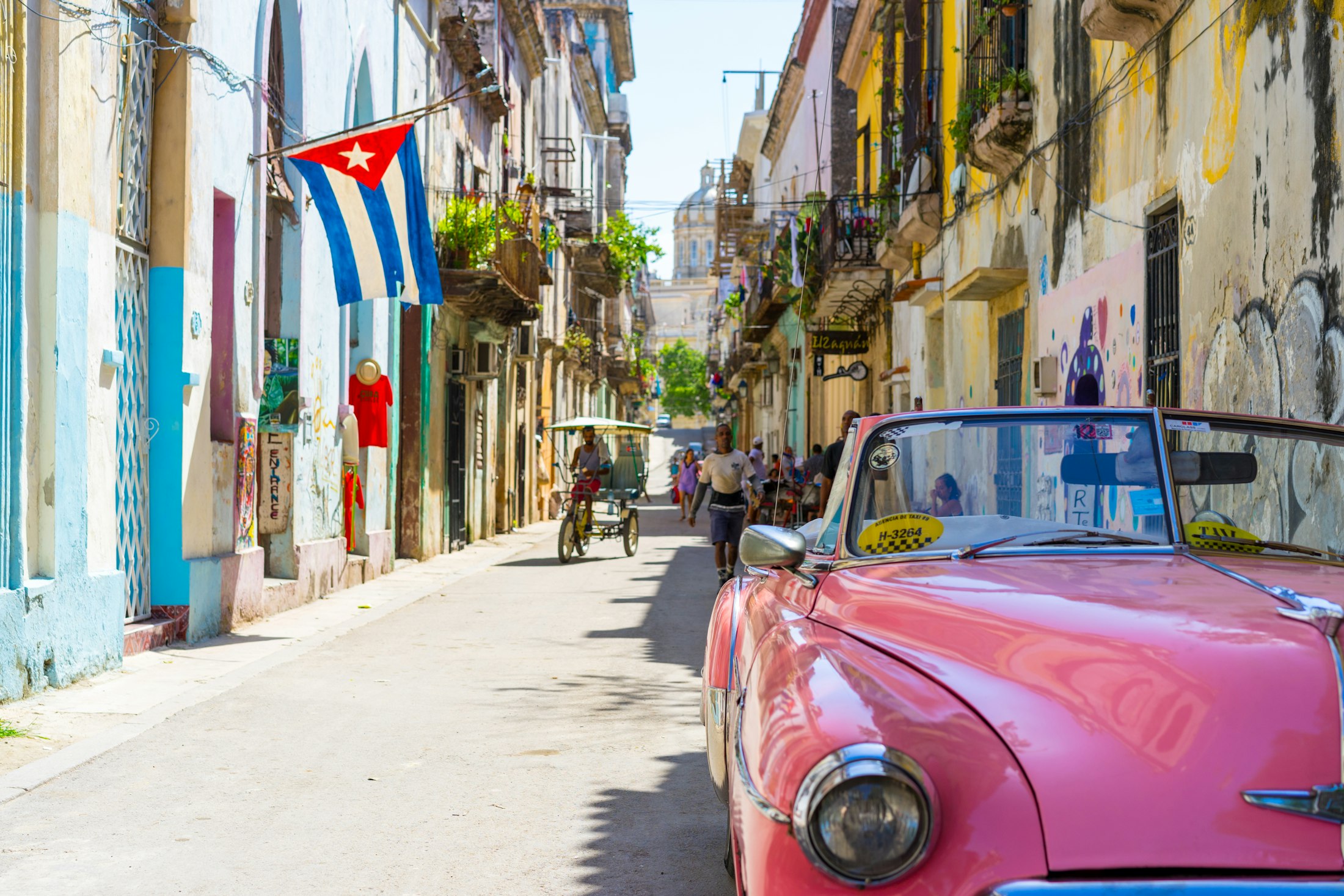
The real fires get built in residential blocks between Calle 23 and the Malecón, especially along streets like Calle G (Avenida de los Presidentes) and the cross streets running toward the water. Families drag out scrap wood starting in the late afternoon. By 9 p.m. there are multiple bonfires within a few blocks of each other, and the smoke hangs low over Vedado like a second sky. Calle H between 17 and 19 had one of the larger gatherings last year.
The fires are not regulated. There are no barricades, no fire marshals, no wristbands. Children run close. This is the part that will unsettle visitors used to liability culture, and it's also what makes the night feel communal rather than curated.
Pro tip:Wear closed-toe shoes. The pavement around the bonfires gets hot enough to soften flip-flop soles, and there's broken glass you won't see in the dark.
3. The rum situation
Havana Club Añejo 3 Años is what most people are drinking, poured into whatever's available — plastic cups, repurposed yogurt containers, sometimes just passed around in the bottle. Street vendors sell shots of aguardiente for 50 CUP. It will strip your throat.
San Juan Night is one of the few occasions where the famous Havana cocktail bars are the wrong move. El Floridita will be running its usual tourist rotation at 1,800 CUP a daiquiri while a block party with better energy is happening for free two kilometers west. If you want a proper drink before wading into the street scene, Bar Bohemio on Calle 15 e/ C y D in Vedado makes a decent canchánchara and doesn't charge cover.
Pro tip:Bring your own bottle if you want to control what you're drinking. Tap water ice in street cups is a fast track to a bad next morning.
4. The Malecón at midnight — what actually happens
Around 11:30 p.m. the crowd starts drifting north toward the seawall. By midnight, hundreds of people are clustered along the Malecón between Calle G and La Rampa, and the braver ones start going over the side. The water is warm in late June — close to 28°C — and the drop from the wall is only about two meters in most spots, though it varies with the tide. People jump feet-first, laughing, some holding hands.
Drums follow the crowd to the water. Someone always brings a boombox. The tradition says you should submerge yourself completely — head under — to wash away the old year's weight. June, not January, is when Havana actually resets.
The rocks below the seawall are uneven and slippery with algae. Injuries happen. Locals who've done this since childhood know which stretches have deeper water and fewer rocks; the section near the intersection with Calle D is generally considered safer. Don't jump where you can't see someone else already swimming.
Pro tip:Leave your phone and wallet with someone on the wall or in a sealed dry bag. Pickpocketing isn't the main concern — salt water is.
Stay in Havana
Top-rated hotels near Havana
Best locations · Verified reviews · Free cancellation
View deals
Expedia →5. The drumming doesn't stop at sunrise — it just moves
Batá drums and cajones start up around the bonfires by 10 p.m. and keep going. After midnight the percussion migrates to the Malecón itself, where impromptu rumba circles form on the sidewalk. I've heard people claim the best drumming happens at organized peñas in Centro Habana. I disagree. The San Juan sessions in Vedado are rawer, less performative, and nobody's passing a hat.
By 3 or 4 a.m., smaller groups split off and continue in doorways, on stoops, wherever there's a flat surface to sit. The sound carries blocks in the humid air. If you're staying in a casa particular anywhere near the Malecón, you will not sleep. Accept it.
Coffee vendors start appearing around 5 a.m. with thermoses and tiny plastic cups. One CUP-peso café con leche at that hour, sitting on the seawall with wet hair and smoke-scented clothes — worth more than any rooftop bar experience in this city.
6. The day after: June 24 and what's left
San Juan Day itself is quieter. The fires are ash circles on the pavement.
Some families gather for pork and rice at home — it's not a public feast in the way you'd find in Puerto Rico or Brazil. The religious observance, for those who practice, happens privately. If you're still in Vedado on the 24th and need to eat, Café Presidente on the corner of Avenida de los Presidentes and Calle 25 does a solid desayuno criollo for around 500 CUP. The Coppelia ice cream park a few blocks south on Calle 23 will have its usual long line in the peso section; the convertible-currency line moves faster but the ice cream is the same. Get the chocolate if they have it. They often don't.
Pro tip:The ash circles from the bonfires sometimes contain small offerings — coins, flowers, food. Don't disturb them. They're intentional.
Stay in Havana
Top-rated hotels near Havana
Best locations · Verified reviews · Free cancellation
View deals
Expedia →7. Timing your trip around the fire
San Juan Night is fixed: the evening of June 23 into the morning of June 24. There's no flexibility, no rain-date, no second weekend. Late June is deep into hurricane season, but actual storms are statistically rare before mid-August.
Flights into José Martí from Mexico City, Miami (charter), and Madrid are the main routes. Book casas particulares in Vedado rather than Habana Vieja — you want to be walking distance from the action, not cabbing across town at midnight when no taxis are running. Anything on or near Calle 23, Línea, or Avenida de los Presidentes puts you in the right zone.
Bring electrolyte packets. The heat is serious, the rum is dehydrating, and Cuban pharmacies stock almost nothing.
Essential tips
Bonfires start lighting around 9 p.m. on June 23; the peak street energy is between 11 p.m. and 2 a.m. Arrive on the early side to watch the buildup.
If you plan to jump from the Malecón, scout your spot before dark. Look for sections where locals are already swimming — they know which stretches have deeper water and fewer submerged rocks.
Closed-toe shoes for the bonfire blocks, but bring sandals in a bag if you plan to swim. You'll want to change footwear at the seawall.
Carry small CUP bills. Street vendors selling rum, coffee, and food often can't break anything above 500 CUP, and cards are useless at informal stalls.
Ready to visit Havana?
Book your hotel, flights, and activities through our Expedia-powered search.


