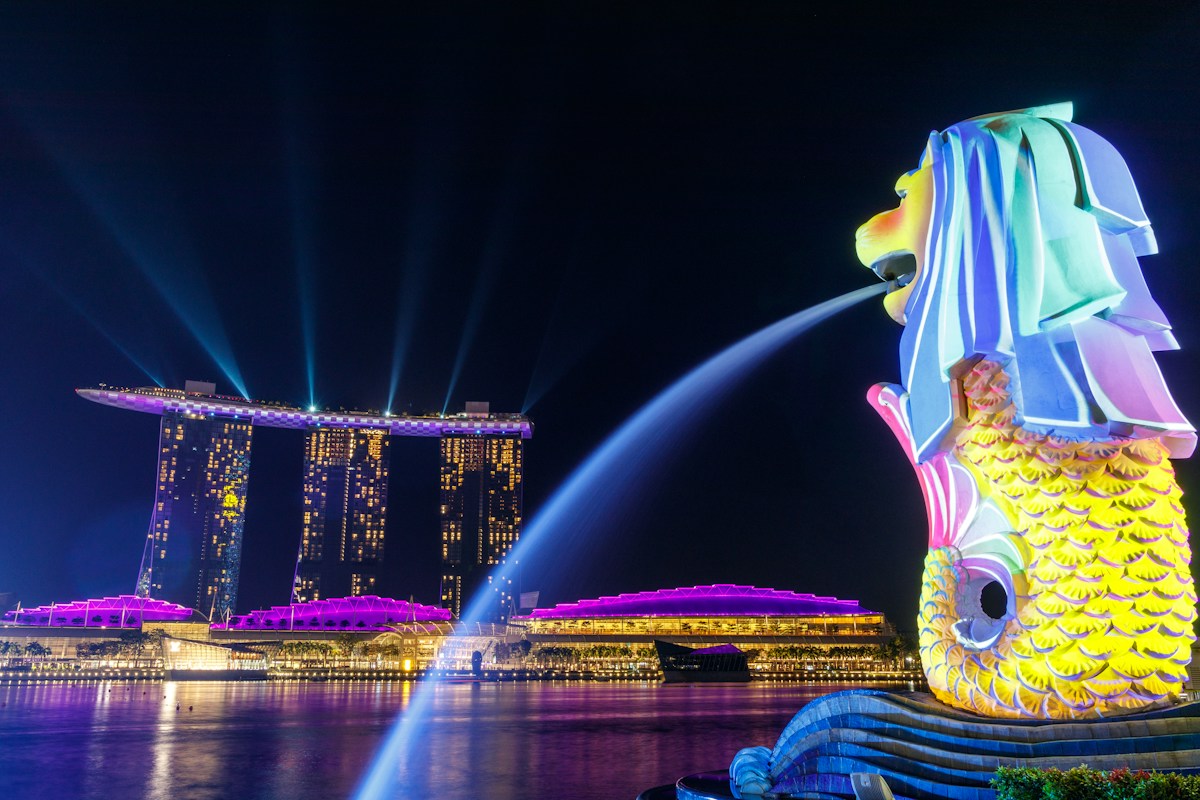
Singapore rewards the traveler who slows down
Forget the skyline postcards — the city's real character lives at pavement level, one hawker stall at a time.
Advertisement
The city that refuses to be one thing
Singapore has a reputation problem, though not the kind its tourism board worries about. Visitors arrive expecting a gleaming technocratic showcase and leave slightly unsettled by how layered the place actually is. The colonial grid, the kampong ghosts, the Tamil temple sharing a wall with a bubble tea franchise — none of it resolves into a tidy narrative, and that tension is precisely what makes the city worth your sustained attention. We'd argue you need at least five days to stop skimming the surface, and even then you'll leave with more questions than answers.
Hawker culture is a serious civic institution
No conversation about Singapore starts anywhere else, and we won't pretend otherwise. But the Maxwell Food Centre on Kadaira Road deserves more than a passing mention: it deserves a dedicated afternoon. Arrive at 2pm, after the lunch crush, and you'll find stall holders wiping down counters, restocking, preparing for the next wave — a kind of intermission that lets you watch the whole operation without the noise of a crowd pressing in from behind. Order the char kway teow from the stall that has been run by the same family since 1956, and notice how the wok hei — that specific smoky, almost metallic breath of a carbon-seasoned wok at full heat — lingers on your fingertips for an hour afterward. This is not casual street food. It is a codified culinary tradition that the government has, rightly, inscribed on the UNESCO Intangible Cultural Heritage list.
Chinatown contains multitudes that contradict each other
The Sri Mariamman Temple on South Bridge Road is the oldest Hindu temple in Singapore, and it sits in the middle of Chinatown with absolute architectural confidence — its gopuram tower stacked with hundreds of painted deities climbing toward the sky like a theological argument rendered in plaster. We find the contrast clarifying rather than odd. Singapore's ethnic quarters were never hermetically sealed; they bled into each other from the start, and the temple's location is a physical record of that. Step inside on a Tuesday morning and the smell of camphor and marigold is so dense it feels atmospheric rather than merely fragrant, a kind of incense weather.
The Tamil temple sharing a wall with a bubble tea franchise refuses to resolve into a tidy narrative.
The colonial district asks you to read between the lines
The Padang, the flat municipal lawn fronting the old Supreme Court, is one of the most carefully maintained silences in Southeast Asia. Cricket has been played on this grass since the 1830s. The Japanese military held a victory parade here in 1942. The National Gallery Singapore, housed in the restored Supreme Court and City Hall buildings directly adjacent, does something brave: it refuses to edit out the complicated parts of regional history. The permanent collection traces modern Southeast Asian art through political rupture, independence movements, and contested identity rather than offering a triumphalist march toward modernity. Stand in front of Georgette Chen's Self-Portrait from 1946 and the ochre light pooling through the repurposed courtroom skylights feels almost deliberately chosen.
The Gardens by the Bay are stranger than they look in photographs
Everyone has seen the Supertrees. The photographs do not prepare you for the specific uncanniness of standing beneath one at 9pm during the light show, when the 50-meter steel structures pulse with color against a sky that still holds the last bruise of tropical dusk. The Gardens are an engineered landscape, unapologetically artificial, and that's the point — Singapore has never pretended nature here is accidental. The Flower Dome maintains a cool Mediterranean microclimate inside a glass biome on the equator, which sounds absurd until you're standing inside it, genuinely cold, watching visitors from the street press their faces against the glass. The city builds what it imagines, then invites you to reconsider what imagination means at scale.
When to come and how long to stay
Singapore sits just one degree north of the equator, which means rain arrives on its own schedule regardless of season — a short, theatrical downpour that ends as abruptly as it begins. We prefer February through early April, when humidity is marginally lower and the city moves at a slightly less pressurized pace between major festivals. Book a week. The first two days are for orientation; the last two are when you finally stop moving fast enough to actually see anything.
Advertisement