Paris in summer: what the city asks of you
Strip away the itinerary and Paris reveals itself as a city that rewards patience above all else.
Advertisement
The city that refuses to be consumed
Paris has a way of making you feel behind schedule even when you have nowhere to be. That mild, ambient pressure is the city's first test, and most visitors fail it by reaching for their phones. We'd suggest failing differently — by sitting down at Café de Flore on Boulevard Saint-Germain at around ten in the morning, ordering a café crème, and simply watching the street sort itself out. The smell of warm milk and espresso, the clatter of a ceramic cup set down too firmly — these are not backdrop details. They are the whole point.
What the Seine is actually for
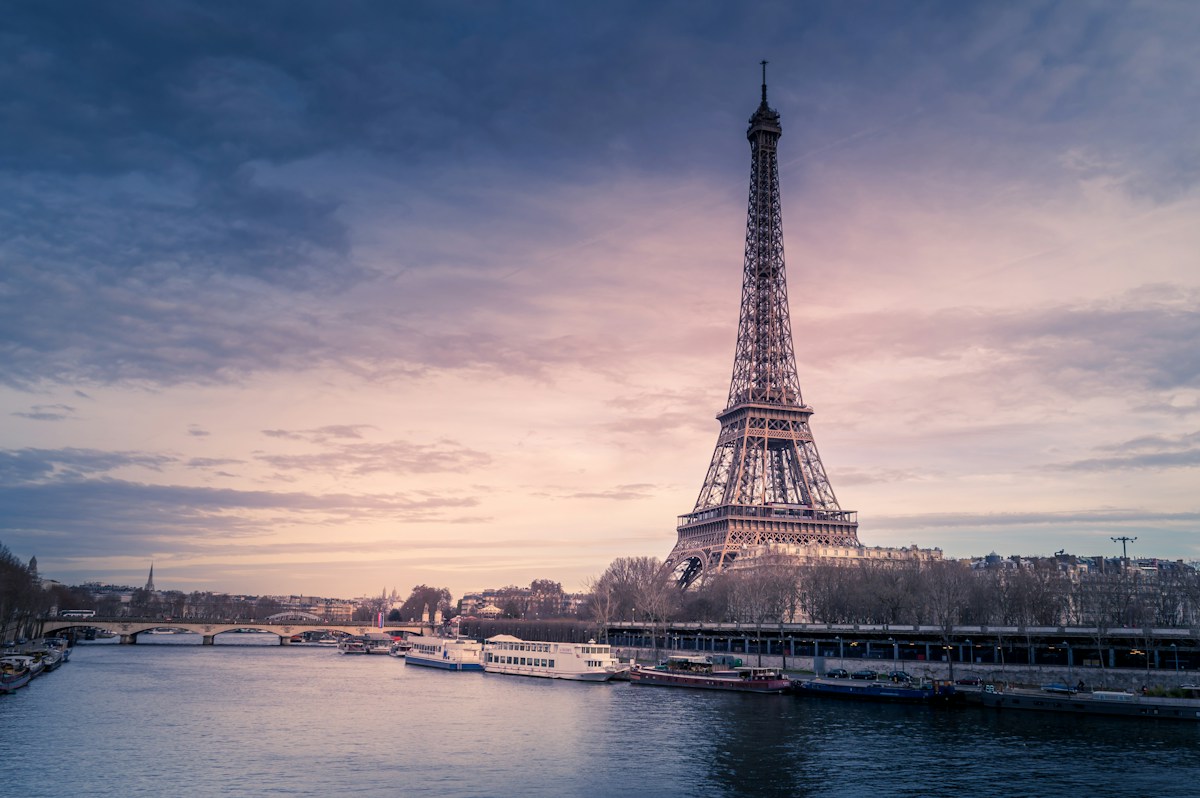
The river does not exist to be photographed from the Pont des Arts, though you are welcome to do that. What it actually does is provide a corridor of cooler air through a city that becomes genuinely uncomfortable in July. Walking the Left Bank quays between the Pont de Sully and the Pont de l'Alma in the early evening — when the bouquinistes are packing their green stalls and the light goes flat and golden — produces a specific feeling of urban contentment that is difficult to manufacture anywhere else. The worn limestone of the quay walls still holds the heat of the afternoon beneath your palm.
The Marais, taken slowly
The 4th arrondissement is easy to dismiss as the version of Paris that has already been discovered. We think that misses something. The Musée Carnavalet, which tells the history of the city itself through objects rather than paintings, is the kind of place that earns an entire afternoon. One room contains the actual wooden storefront sign from a 17th-century Parisian merchant — the grain of the painted wood still visible, the colors only slightly faded. The curators have arranged it without drama, without explanation larger than a small card, trusting you to understand why it matters that this ordinary object survived.
Paris stops performing for you around the third day, if you allow it.
On food: what Paris actually gets right
The debate about whether Paris is still a great food city tends to happen among people who ate at the wrong places. We are not interested in recounting the legend of the perfect steak frites; you have read that piece before. What we will say is that Septime, the Bertrand Grébaut restaurant on Rue de Charonne, serves a kind of cooking that is quietly clarifying — ingredients presented as if they have already made their argument and simply need you to listen. A single dish of raw vegetables with a cold, herb-flecked broth arrived during our last visit in a bowl that was barely warmer than room temperature, and it made more sense than most things we ate that year.
The version of Paris you don't plan for
Something happens around the third day in Paris, if you allow it. The city stops performing for you. The morning walk to buy bread at your local boulangerie — ours was a small operation on Rue Oberkampf with a handwritten sign about baguettes de tradition — stops feeling like an experience and starts feeling like Tuesday. That shift is worth protecting. It is the thing that separates a visit from a stay, and Paris is one of the few cities that still understands the difference. The woman behind the counter stopped asking us what we wanted by day two. That was the best thing that happened on the entire trip.
Advertisement