Istanbul rewards the patient traveler
Two continents, three thousand years, and a city that refuses to be summarized in a weekend itinerary.
Advertisement
The city that always has more
We have been coming to Istanbul long enough to stop pretending we understand it. That is, in itself, the point. Most great cities eventually yield to the repeat visitor — you crack their logic, learn their rhythms, feel the satisfaction of a place made legible. Istanbul does not do this. Every return trip produces some new corridor of history we had walked past a dozen times without registering. The Chora Church in Fatih — technically the Kariye Camii since its 2020 reconversion to a mosque — contains Byzantine mosaics of such hallucinatory color that standing beneath them feels less like sightseeing and more like interrupting a private conversation. The gold tessera catch the light and seem to move. You leave slightly unsettled, which is exactly right.
What the Bosphorus actually teaches you
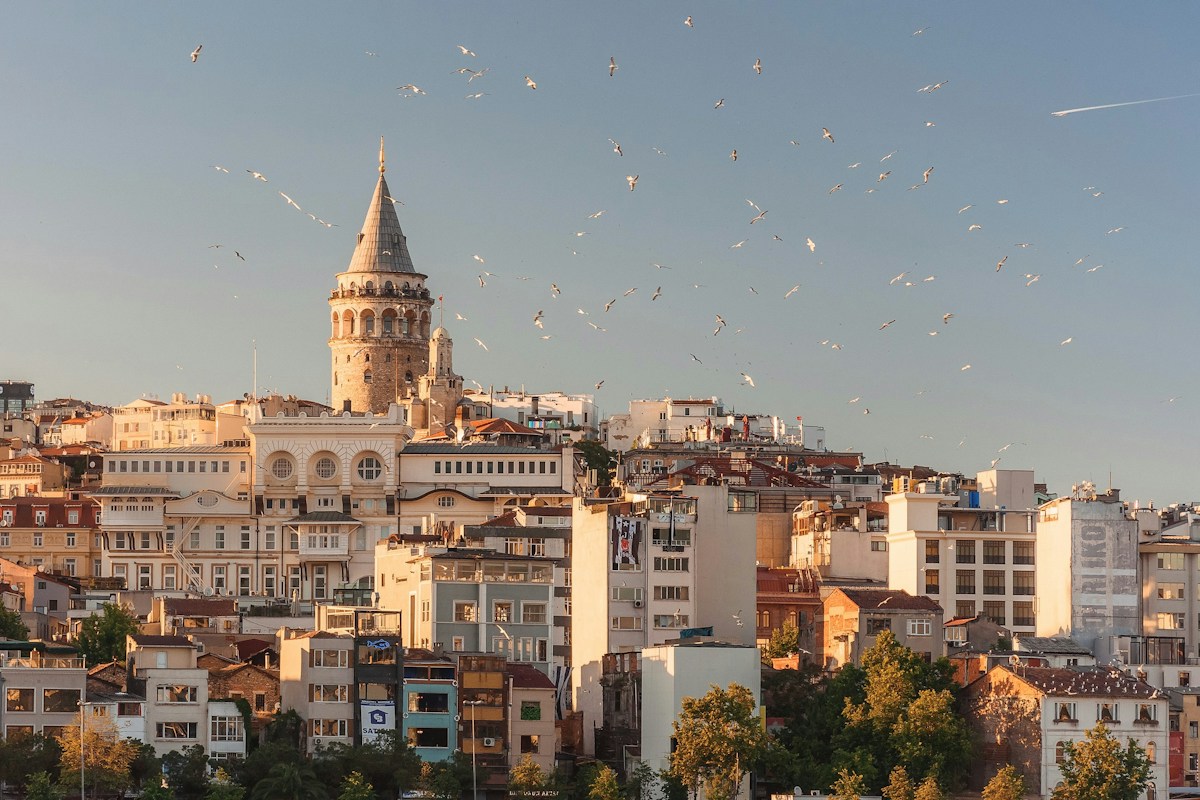
The strait is not a backdrop. We have made the mistake of treating it as one — photographing it from Galata Tower and moving on — and we were wrong to do so. Sit on the lower deck of the Şehir Hatları commuter ferry from Eminönü to Üsküdar, a crossing that takes twelve minutes and costs almost nothing, and watch Istanbul perform its own geography lesson. The water is a specific green-grey, slightly opaque, moving fast enough that the surface wrinkles. Fishermen work the Galata Bridge overhead. On the Asian shore, the hills drop steeply into the water. In twelve minutes you have moved between continents, and you feel that transition in the body before you process it in the mind.
The grand bazaar is not what you expect it to be
We want to push back against the received wisdom that the Grand Bazaar is a tourist trap to be endured rather than explored. Yes, the pressure to buy is real. Yes, the lamp vendors are aggressive. But the bazaar is also a functioning commercial infrastructure that has operated more or less continuously since 1461, and once you stop walking toward the obvious entrances and start following the wholesale corridors — where goldsmiths weigh chain by the gram and leather merchants stack hides floor-to-ceiling — the noise changes from performance to work. The smell in those back sections is raw and mineral, tallow and metal and old wood, and it connects you to something genuinely old in a way that a palace tour rarely manages.
Istanbul will contradict whatever you decided about it before you arrived.
Turkish breakfast deserves its own morning
We are convinced that the kahvaltı — the sprawling Turkish breakfast spread — represents one of the highest expressions of how a culture chooses to begin a day. At Van Kahvaltı Evi in Cihangir, the table arrives in stages: white cheese, a sharp herb-flecked variety alongside a milder one, olives both cured and fresh, clotted cream so thick it holds a spoon upright, eggs cooked in a small copper pan with sucuk and butter, tomatoes, cucumbers, honey still in the comb. The tea comes in tulip-shaped glasses and is refilled without being asked. You do not rush this. The meal is designed to prevent rushing. A good kahvaltı takes ninety minutes and leaves you in a state of useful calm that carries well into the afternoon.
An evening in Karaköy shifts your sense of scale
The neighborhood of Karaköy, just below Galata, has changed considerably in the past decade — galleries, coffee roasters, design studios occupying what were once dockside warehouses — but it has not lost its sense of physical weight. The buildings here are stone and iron, built for industry, and they impose a certain seriousness on whatever occupies them now. In the early evening, when the light off the Golden Horn turns the water amber and the ferry horns sound at intervals across the water, the effect is almost cinematic, though that word undersells it. It is simply the sensation of being in a very old port city at the end of a long day, which turns out to be enough.
Come prepared to revise your assumptions
We tell first-time visitors one thing above all others: Istanbul will contradict whatever you decided about it before you arrived. The city is too large, too layered, too willing to be contradictory. The mosques are quieter than you expect and the nightlife louder. The locals are simultaneously formal and generous. The history presses in from every direction but the present is insistent and energetic. Istiklal Avenue on a Wednesday afternoon is not a monument to anything — it is simply where people are going, and they are going there with purpose. Follow them for a while. You will not know where you end up, and that will be the beginning of something.
Advertisement