In This Guide
- 1.Dihua Street Without the Crowds: A Morning Walk Through the Dry Goods District
- 2.Xiahai City God Temple: Incense Rituals and the Matchmaker Deity
- 3.Yongle Market: Mango Season Arrives on the Second Floor
- 4.Herbal Tea and Apothecary Culture on Minsheng West Road
- 5.Sunset Along the Tamsui River: The Dadaocheng Wharf Cycling Path
- 6.Dadaocheng's Gallery Lane: Contemporary Art in Colonial Shells
- 7.An Evening Feast: Where to Eat Dinner in Dadaocheng
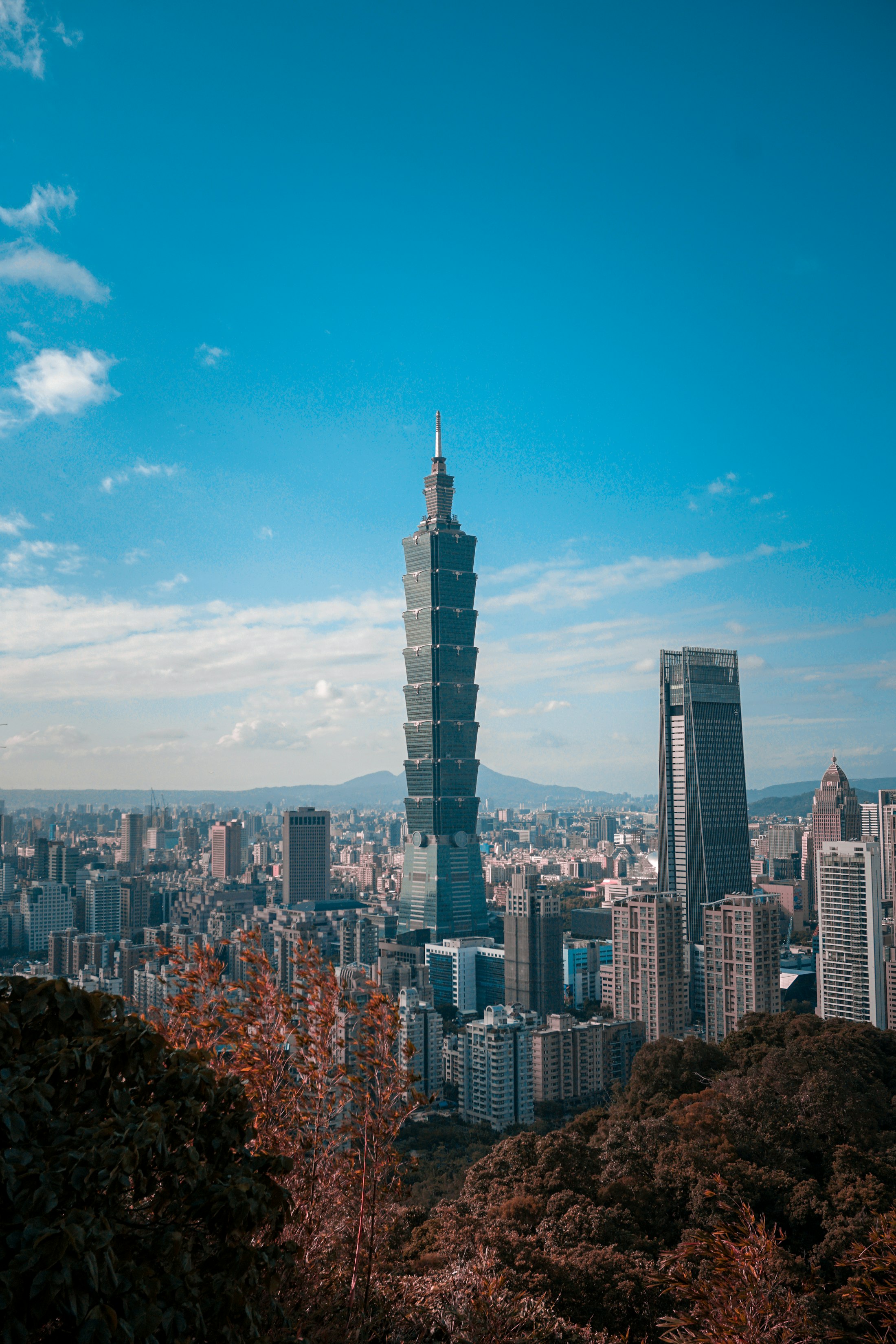
Step into Dadaocheng on a May morning and the air is thick with dried camphor and the sweetness of jasmine pearls being rolled in a century-old tea shop. The neighbourhood's baroque facades and narrow lanes predate Taipei 101 by a hundred years, yet most visitors walk right past on their way to Dihua Street during the Lunar New Year rush. In the late-spring lull before Dragon Boat Festival crowds descend, this trading quarter reveals its unhurried best.
This guide maps Dadaocheng across seven essential experiences — from ancestral temples still fragrant with morning incense to a fifth-generation apothecary where you can blend your own herbal tea. May is a sweet spot: the mango shaved ice stands have just reopened, the humidity hasn't yet turned punishing, and the neighbourhood's independent galleries and fabric merchants operate at a pace that rewards curiosity. Consider this your walking route through Taipei's most storied square kilometre.
1. Dihua Street Without the Crowds: A Morning Walk Through the Dry Goods District
Arrive before nine on a weekday and Dihua Street's Section 1 belongs almost entirely to shopkeepers sweeping storefronts and stacking wicker baskets of dried shiitake. The baroque and Art Deco facades — built by Fujianese tea merchants in the 1850s through 1920s — are best photographed in this flat, forgiving morning light without weekend selfie-stick traffic blocking your frame.
Start at the southern entrance near Minsheng West Road and walk north. Lin Feng Yi Tea House at No. 193 Section 1 has been blending oolong since 1883. Ask for their Oriental Beauty — a bug-bitten varietal from Hsinchu that peaks in May harvests. They'll brew a complimentary tasting if you show genuine curiosity rather than rushing through.
Between the tea merchants, look for traditional fabric shops like Yongle Market's second-floor textile stalls. May is when lightweight ramie and linen bolts appear for summer sewing. Vendors here will cut custom lengths and many still speak Japanese to older customers — a living trace of colonial-era commerce.
Skip the southern blocks on Saturday afternoons when influencer-oriented pop-ups draw large crowds. The northern stretch past Guisui Street remains quieter year-round and holds the most architecturally intact shophouses, several with original wooden shutters and cast-iron balcony railings you can examine up close.
Pro tip:Duck into the narrow alley between No. 159 and No. 161 Dihua Street — it leads to a hidden courtyard with original well stones and a fig tree. Locals call it the 'tea merchant's garden' and it rarely appears on maps.
2. Xiahai City God Temple: Incense Rituals and the Matchmaker Deity
Taipei Xiahai City God Temple at No. 61 Dihua Street Section 1 is compact — barely wider than a shopfront — but its spiritual gravity is immense. Built in 1856, it shelters over 600 deity figures and draws a devoted local congregation alongside visitors seeking blessings from Yue Lao, the red-thread matchmaker god who occupies a prominent side altar.
In May, the temple prepares for the City God's birthday celebration in the lunar fifth month. You'll notice fresh offerings multiplying: towers of canned drinks, tropical fruit pyramids, and elaborate joss paper sculptures. The energy shifts from tourist-friendly to genuinely devotional. Follow the posted ritual order — purchase incense at the front counter for forty New Taiwan dollars, bow at each station sequentially.
The temple's complimentary fortune-love cookies are famous. After praying to Yue Lao, take one from the altar tray — tradition says you must eat it completely on temple grounds for the blessing to hold. The crumbly pastry tastes of brown sugar and sesame. Don't photograph worshippers mid-prayer; it's considered disrespectful.
Step out and turn left for a remarkable contrast: ASW Tea House occupies the building directly next door, its third-floor terrace offering overhead views of the temple's curved swallowtail roof ridges. Order a cold-brew Four Seasons Oolong to decompress after the intensity of incense and chanting below.
Pro tip:Visit between 7:00 and 8:00 AM when the temple keeper performs the morning opening ritual. You'll witness the first incense lighting of the day — a solemn, smoke-filled moment most tourists never see.
Stay in Taipei
Top-rated hotels near Taipei
Best locations · Verified reviews · Free cancellation
View deals
Expedia →3. Yongle Market: Mango Season Arrives on the Second Floor
Yongle Market at No. 21 Dihua Street Section 1 is two buildings in one. The ground floor houses a wet market — pork belly slabs, bamboo shoots, grandmothers arguing over fish prices. The second floor is Taipei's best textile destination, a grid of fabric stalls that has supplied local designers and theatre costume departments for decades.
But you're here for food first. At the ground-floor periphery, Yongle Fried Mantou — a stall with no English sign, just look for the queue near the market's north entrance — serves deep-fried mantou buns stuffed with scallion and pork. Golden, shatteringly crisp, thirty-five NTD each. Get two; one isn't enough.
May marks the unofficial start of mango season in southern Taiwan, and the fruit vendors here receive early Irwin and Jinhuang varieties before supermarkets stock them. A whole mango runs sixty to ninety NTD depending on size. Ask the vendor to slice it for you — they keep knives behind the counter and will bag it with a toothpick for eating while you browse.
Upstairs, Stall 226 specialises in indigo-dyed Hakka-pattern cotton. May's humidity hasn't yet warped the bolts, so the prints are clean and taut. Prices are negotiable if you purchase three metres or more.
Pro tip: The second-floor textile stalls close by 5:00 PM sharp and most are shuttered on Mondays. Plan your visit for a Tuesday through Saturday morning to catch every vendor open and unhurried enough to chat.
4. Herbal Tea and Apothecary Culture on Minsheng West Road
Dadaocheng's apothecary tradition runs deeper than its tea trade. On Minsheng West Road between Yanping North Road and Dihua Street, a cluster of traditional Chinese medicine shops still operates from wooden-drawer cabinets that would make a museum curator weep. Lien Hua Herbal Shop, recognisable by its faded green awning near No. 91, has been blending custom herbal formulas since the Japanese colonial period.
In May, the pre-summer blends shift toward cooling preparations. Ask for a cup of qingcao cha — herbal grass jelly tea — served lukewarm from a steel urn. It's bracingly bitter, nothing like the sweetened versions in night market stalls. Locals drink it to offset the mounting humidity. Twenty-five NTD, served in a recycled glass bottle you're expected to return.
For something more interactive, the newer Dadaocheng visitor-oriented shops like ASW Herbal Lab on Dihua Street let you blend your own tea bags from labelled jars of dried chrysanthemum, goji berries, red dates, and longan. Mildly touristy but genuinely educational — the staff explain traditional body-cooling versus warming properties with real conviction.
Avoid purchasing any 'medicinal wine' in unmarked bottles from street vendors. Quality varies wildly, and customs in most countries will confiscate unlabelled alcohol. Stick to sealed, reputable brands or dried goods that travel safely in checked luggage.
Pro tip: Bring a handkerchief or small towel — the apothecary shops are not air-conditioned, and May afternoons inside these narrow shophouses can push past thirty-three degrees Celsius. Locals dab rather than wipe to stay composed.
5. Sunset Along the Tamsui River: The Dadaocheng Wharf Cycling Path
Dadaocheng Wharf sits at the western edge of the neighbourhood where Huanhe North Road meets the Tamsui River. A broad waterfront promenade stretches north and south, and May's extended daylight means golden hour lingers past six-thirty PM — good for a slow bike ride or a seated beer as cargo barges drift past.
Rent a YouBike from the station at the wharf's main plaza. The first thirty minutes cost five NTD with an EasyCard. Ride north toward Guandu and you'll pass graffiti murals, mangrove-fringed wetlands, and the occasional grey heron standing improbably still in the shallows. The path is flat and paved the entire way.
Back at the wharf, the evening food stalls set up around five PM on weekends. Look for the grilled corn vendor who brushes cobs with a soy-mirin glaze — he parks his cart near the southern steps. Pair it with a Taiwan Beer tallboy from the adjacent convenience store.
On select May evenings, the wharf hosts small-scale live music events — usually acoustic sets by local Mandopop or jazz artists. Check the Dadaocheng Wharf Facebook page for schedules. No cover charge. The crowd is a mix of cycling commuters and families spreading picnic blankets along the concrete embankment.
Pro tip:For the best sunset photographs, position yourself on the wharf's northern observation deck rather than the main plaza. It faces directly west with an unobstructed river horizon and avoids the backlit glare that plagues shots from the lower promenade.
Stay in Taipei
Top-rated hotels near Taipei
Best locations · Verified reviews · Free cancellation
View deals
Expedia →6. Dadaocheng's Gallery Lane: Contemporary Art in Colonial Shells
Parallel to Dihua Street, the lanes between Minsheng West Road and Nanjing West Road harbour a quiet gallery district that has matured significantly since 2018. Not slick white-cube spaces but repurposed shophouses where exposed brick walls and original timber beams frame contemporary Taiwanese photography, ceramics, and installation work.
Think Bar at No. 12 Lane 26 Dihua Street hosts rotating exhibitions alongside its specialty coffee programme. The May show typically features emerging Taipei-based artists selected through an open call. Order their single-origin pour-over — usually a washed Alishan lot — and take the narrow staircase to the second-floor viewing room. Admission is free; the coffee averages one hundred and sixty NTD.
1920s Bookstore (also called Bookstore 1920s) at No. 34 Dihua Street Section 1 blurs the line between gallery, reading room, and cultural archive. Its curated shelves focus on Taiwanese identity, colonial history, and urban ecology. May often brings author talks in Mandarin, but the visual exhibitions need no translation and the staff speak conversational English.
Cracked tile floors, rusted window grilles, and dangling wiring coexist with carefully lit artworks. The gallery lane works because the buildings still feel lived-in rather than embalmed — gentrification done with a relatively light hand.
Pro tip: Gallery hours are erratic — many open only Thursday through Sunday, noon to seven PM. Check individual Instagram pages before visiting on a weekday to avoid finding locked doors and silent courtyards.
7. An Evening Feast: Where to Eat Dinner in Dadaocheng
Dadaocheng's dinner options reward those who resist the gravitational pull of nearby Ningxia Night Market. Honestly, Ningxia is overrated — the same dozen stalls recycled across every English-language blog, with prices creeping upward and quality coasting on reputation. Min Le Noodle Shop at No. 1 Ganzhou Street has served Tainan-style danzai noodles since 1976 — small bowls of springy yellow noodles in a shrimp-pork broth topped with a single prawn and a disc of braised egg. Order two bowls; they're intentionally small. Add a plate of sliced smoked duck from the glass counter.
For a more contemporary meal, Jiuqian at No. 24 Lane 46 Dihua Street Section 1 occupies a renovated townhouse and serves a seasonal Taiwanese tasting menu that shifts monthly. May's iteration typically features white gourd, clam broth, and sakura shrimp from Pingtung. Reservations are essential on weekends — book three days ahead via their LINE account.
After dinner, walk south toward the intersection of Yanping North Road and Nanjing West Road for shaved ice at Xing Long Bing Dian. Their mango shaved ice — available from early May when Pingtung mangoes arrive — is piled absurdly high with fresh-cut fruit over shaved milk ice. Ninety NTD, comfortably serves two. They close at ten PM.
Avoid eating at the themed restaurants near the URS heritage buildings on weekend evenings. They're overpriced, tourist-calibrated, and serve dishes you can find better versions of within a five-minute walk. Follow the locals to the fluorescent-lit spots with plastic stools and laminated menus — the food is invariably superior.
Pro tip:If you have dietary restrictions, learn the phrase 'wǒ bù chī' followed by the ingredient in Mandarin. Most Dadaocheng eateries have no English menus, and pointing at dishes only gets you so far when broths contain hidden pork or shellfish.
Essential tips
Take the MRT to Beimen Station (Exit 3) or Daqiaotou Station (Exit 1). Both are a five-minute walk to Dihua Street. Avoid driving — the narrow lanes have almost no parking and one-way restrictions change frequently.
May brings the plum rain front (méiyǔ) to northern Taiwan. Carry a compact umbrella daily; showers are sudden and heavy but rarely last more than forty minutes. Waterproof your bag for electronics and paper goods.
Many traditional Dadaocheng shops are cash-only. Withdraw NTD from the 7-Eleven ATM at the corner of Dihua and Minsheng West before starting your walk. Budget around 800-1200 NTD for a full day of eating and browsing.
The neighbourhood operates on old-Taipei hours. Most traditional shops open between 9:00 and 9:30 AM and close by 6:00 PM. Galleries and cafés skew later, opening at noon. Plan a morning for markets and an afternoon for cultural spaces.
Wear shoes that can handle wet tile and uneven pavement. The lane floors are original stone in places and become slick after rain. Flip-flops are tempting in May heat but impractical for a full walking day across Dadaocheng's varied surfaces.
Ready to visit Taipei?
Book your hotel, flights, and activities through our Expedia-powered search.