In This Guide
- 1.Matjessill 101: Understanding Stockholm's May Herring Obsession
- 2.Nystekt Strömming at Södermalmstorg: The Waterfront Kiosk That Started It All
- 3.Kvarnen's Herring Table: A Belle Époque Beer Hall Does Matjes Right
- 4.Skärgårdsfisk at Hornstull Market: Where Chefs Buy Their Matjessill
- 5.Gondolen's Matjes Tasting Menu: Fine Dining with a Fjord Panorama
- 6.Pelikan's Husmanskost Herring Plate: The Traditionalist's Case
- 7.A Self-Guided Herring Walk: Tantolunden to Fotografiska
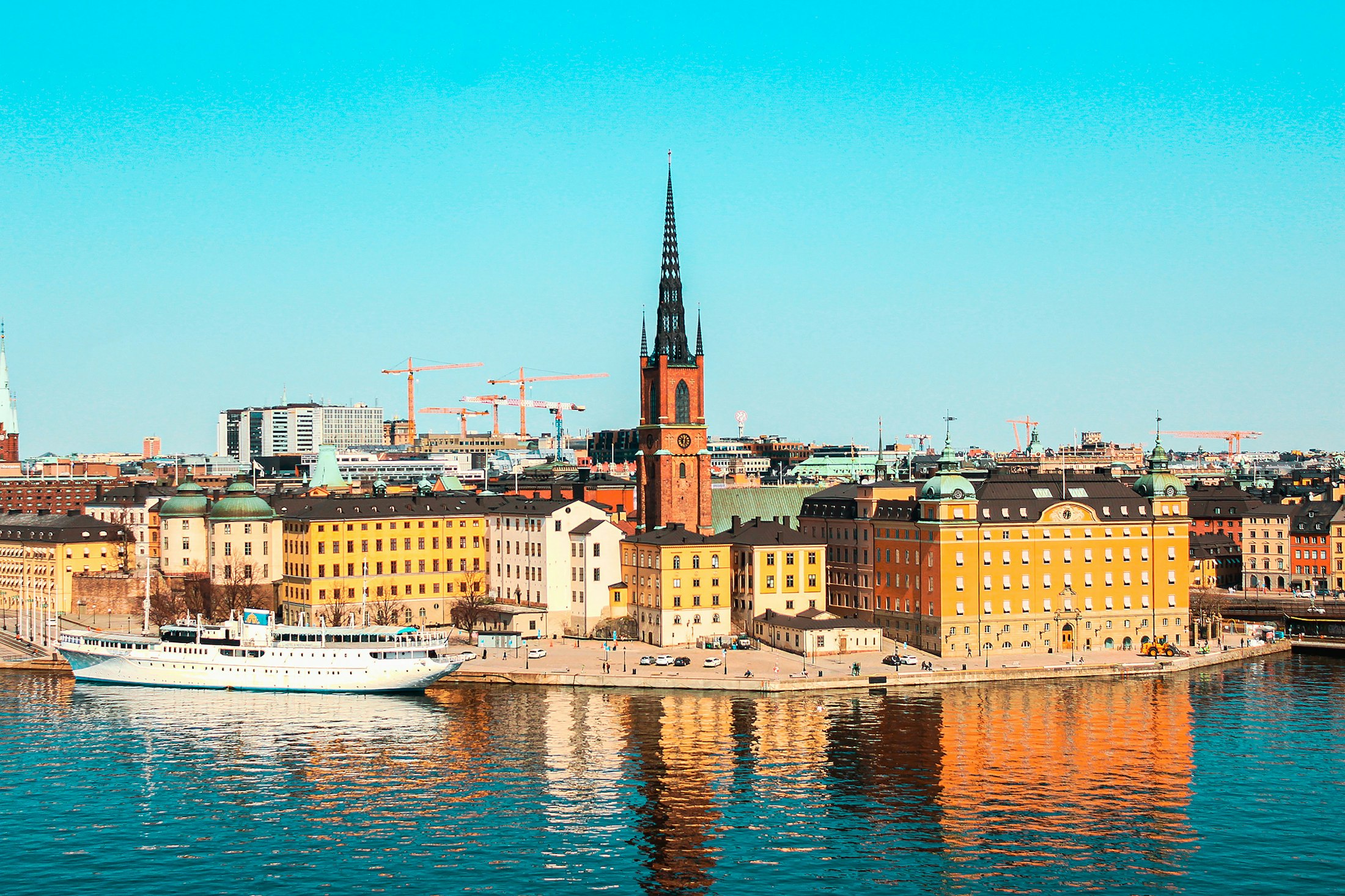
The late-May light stretches across Riddarfjärden until nearly eleven at night, and along the granite quays of Södermalm, something briny and ancient is unfolding. Fishmongers in rubber aprons unload crates of matjessill — the season's first young herring, cured barely twenty-four hours — while chefs across the island compete to plate the definitive version of Sweden's most ritualistic fish. The air smells of dill, aquavit, and waterfront anticipation.
This guide walks you through Södermalm's best addresses, market stalls, and courtyards for experiencing Stockholm's May herring season at its sharpest. From a century-old saluhall to a rooftop with panoramic fjord views, you'll learn exactly where to eat, what to order, and how to navigate the brief window when matjessill dominates every serious kitchen on the island. It matters because this tradition is evolving — and 2024's crop of young chefs is rewriting the playbook.
1. Matjessill 101: Understanding Stockholm's May Herring Obsession
Matjessill is not pickled herring — a distinction Swedes will correct you on firmly and often. These are young, fat-rich herring caught in late spring, then sugar-salt cured for just one to two days, yielding flesh that's silky, almost raw in texture. The season officially opens in late May, and restaurants across Södermalm race to serve the first fillets.
The word matjes derives from the Dutch maagdenharing, meaning 'maiden herring' — fish that haven't yet spawned, giving them an unusually high fat content around sixteen percent. You'll notice the difference immediately: where inlagd sill (pickled herring) is firm and vinegary, matjessill melts against your palate with a clean, oceanic sweetness.
Swedes treat the first matjessill of the season the way the French treat Beaujolais Nouveau, but with considerably more reverence. Look for handwritten signs reading 'Årets Första Matjes' appearing in fishmonger windows along Hornsgatan and Götgatan from roughly May twentieth onward.
Avoid any restaurant serving matjessill before mid-May — they're almost certainly using frozen stock from the previous year. Genuine seasonal matjessill has a narrow window of perhaps three weeks, and the best chefs will tell you the precise catch date. Ask, and you'll earn immediate credibility with your server.
Pro tip:Order matjessill 'naturell' on your first try — unadorned except for chopped chives and a small boiled potato — before exploring flavoured preparations. This lets you taste the fish's true character and sets a baseline for comparison.
2. Nystekt Strömming at Södermalmstorg: The Waterfront Kiosk That Started It All
Nystekt Strömming is a tiny outdoor kiosk at Södermalmstorg, right where Slussen meets the Södermalm cliff face. It's been serving fried Baltic herring from a cramped steel counter since 2003, and during May it adds a matjessill plate that draws queues of forty-plus people at lunch. You eat standing on the quayside, ferries churning behind you, and it costs under one hundred kronor.
The matjessill here comes on a paper plate with tunnbröd, mashed potatoes, lingonberry, and a fistful of raw red onion. Not refined — intentionally workmanlike — but the fish is sourced daily from Göteborgs Fiskauktion and arrives cured by a fourth-generation processor in Ellös. The quality is quietly exceptional.
Don't overlook their classic fried strömming while you're here. Two fat fillets are dredged in rye flour and pan-fried until the edges crackle. Pair it with a Norrlands Guld from the adjacent kiosk.
Visit between 11:30 and 12:15 to beat the worst of the lunch rush. By 12:30 the queue wraps past the Slussen construction barriers. Afternoons are calmer but risk sell-out — the kiosk operates on a finite daily batch, and when it's gone, the shutters close.
Pro tip:Stand on the east side of the kiosk facing Stadsgårdshamnen. You'll get the same food but a dramatically better view of the Djurgården skyline — and slightly more elbow room during peak service.
Stay in Stockholm
Top-rated hotels near Stockholm
Best locations · Verified reviews · Free cancellation
View deals
Expedia →3. Kvarnen's Herring Table: A Belle Époque Beer Hall Does Matjes Right
Kvarnen, the 1908 beer hall at Tjärhovsgatan 4, transforms a section of its cavernous dining room into a dedicated sillbord each May. Long wooden tables are set with nine preparations of herring — from classic matjes with gräddfil to more adventurous riffs involving burnt butter, green strawberries, and smoked roe. You pay a flat rate of around three hundred and fifty kronor.
The room itself is worth the visit: soaring ceilings, burnished wood panelling, and a crowd that mixes Södermalm creatives with old-guard regulars who've been coming since the nineteen-seventies. Tables of eight or ten share aquavit and sing drinking songs by the second round.
Order the house-branded aquavit flight alongside the sillbord — three seasonal infusions, typically dill, caraway, and elderflower. The elderflower version is remarkable and only available in May. It's distilled in collaboration with a small Skåne producer and complements the fattier matjessill preparations beautifully.
Skip the upstairs mezzanine during peak hours. Service slows considerably, and you lose the communal energy of the ground floor. Request a table near the bar if you're a party of two — the staff are accommodating if you arrive before six.
Pro tip:Book for Thursday evening, when Kvarnen runs a 'sill och sång' programme — herring paired with live Swedish folk music. It books out fast, so call directly rather than using third-party platforms.
4. Skärgårdsfisk at Hornstull Market: Where Chefs Buy Their Matjessill
Every Saturday and Sunday from late April through September, Hornstulls Marknad spreads across the waterfront promenade below Hornstull metro station. The stall you want is Skärgårdsfisk, run by Johan and Lena, a husband-and-wife team from Möja island who've supplied several of Stockholm's Michelin-starred kitchens. They sell matjessill by weight, wrapped in wax paper, ready to eat.
Their matjessill is cured on-island using a technique that leans heavier on sugar than mainland processors, producing a rounder, less aggressively saline result. Buy two hundred grams and eat it on the benches overlooking Långholmen. Bring your own tunnbröd from the bakery stall three spots to the left — they bake it on a cast-iron griddle on site.
Johan will talk catch provenance at length if you show genuine interest. In 2024 he was sourcing from a cooperative of small-boat fishermen working the waters between Landsort and Sandhamn. This micro-sourcing approach means his product varies subtly week to week — a feature, not a flaw, and one that the restaurant chefs who buy from him prize.
Arrive before eleven on Saturday for the best selection. By early afternoon the matjessill often sells out, and you'll be left with the smoked mackerel — excellent, but not why you came.
Pro tip:Ask Johan for his 'senapssill kit' — a small jar of his homemade mustard-dill sauce sold separately. It's not displayed, but he keeps a batch under the counter for regulars. Spectacular on leftover matjessill the next morning.
5. Gondolen's Matjes Tasting Menu: Fine Dining with a Fjord Panorama
Suspended beneath the Katarina Elevator at Stadsgården 6, Gondolen has one of Stockholm's most dramatic dining rooms — floor-to-ceiling windows overlooking Gamla Stan, Riddarfjärden, and the city hall tower. In May, chef Ulrika Bengtsson runs a five-course matjes tasting menu that reinterprets the herring tradition through a contemporary Nordic lens. It's priced at around eight hundred and ninety kronor, wine pairing excluded.
The standout course is a matjessill tartare, hand-chopped and served with a frozen crème fraîche snow, pickled mustard seeds, and micro-dill on a cold stone plate. The texture contrast — yielding raw fish against shattering ice crystals — demonstrates how far the new generation of Swedish chefs has pushed a humble ingredient.
The fourth course pairs warm-smoked matjessill with a concentrated potato broth and wild ramson from Södermalm's own Vitabergsparken. Bengtsson forages the ramson herself in early mornings before the park fills with dog walkers. A hyper-local gesture that gives the dish a rooted sense of place.
Request table twelve or fourteen for the best sightline to Riddarholmskyrkan's spire across the water. The sunset hour — roughly eight-thirty in late May — turns the entire room amber. Book at least ten days ahead during herring season; Gondolen's May weekends fill quickly and the restaurant does not hold tables past fifteen minutes.
Pro tip:Skip the wine pairing and instead order the sommelier's 'single glass' selection — they'll match each course individually for about two hundred kronor less, with arguably better precision and the freedom to swap out pours you don't favour.
Stay in Stockholm
Top-rated hotels near Stockholm
Best locations · Verified reviews · Free cancellation
View deals
Expedia →6. Pelikan's Husmanskost Herring Plate: The Traditionalist's Case
If Gondolen represents the future, Pelikan at Blekingegatan 40 is the defiant past. This working-class beer hall, open since 1904, serves husmanskost — traditional Swedish home-style cooking — with zero concessions to trends. Their matjessill plate arrives on a white porcelain dish with boiled new potatoes, hard-boiled egg, sour cream, chives, and a glass of ice-cold aquavit. That's it. That's the whole statement.
The dining room is all dark wood, frosted glass partitions, and pendant brass lamps. You sit at communal tables and hear Swedish spoken in every regional dialect, because Pelikan draws a genuine mix of construction workers, writers, and the occasional politician from nearby Medborgarplatsen.
Order the SOS starter as a warm-up — smör, ost, sill, which translates to butter, cheese, herring on crispbread. It's a classic appetiser that lets you calibrate before the main matjessill plate arrives. Pair everything with a Skeppets lager on draft; Pelikan is one of the few Stockholm establishments that still pours it.
Lunch service is the time to visit. Pelikan's dinner crowd skews louder and the kitchen slows under volume — frankly not worth the wait after eight o'clock. Between noon and two on a weekday, you'll have space to appreciate the room's acoustics — conversations bounce off that vaulted ceiling in a way that feels distinctly pre-digital.
Pro tip:Pelikan does not take reservations for parties under four at lunch. Arrive at 11:45 and put your name with the host — you'll typically be seated within ten minutes if you're flexible about table location.
7. A Self-Guided Herring Walk: Tantolunden to Fotografiska
Map a three-kilometre waterfront route from Tantolunden park eastward along Söder Mälarstrand to Fotografiska museum, and you'll pass through Södermalm's entire herring ecosystem in a single afternoon. Start at Tantolunden's allotment gardens, where in late May elderly residents cure their own matjessill in wooden sheds — peer respectfully and you might be offered a taste.
Continue east past the houseboats moored along Söder Mälarstrand. At the intersection with Bastugatan, climb the steep stairs to Monteliusvägen — a narrow clifftop path with views over Riddarfjärden. The benches here are ideal for eating any takeaway matjessill you've acquired.
Descend back to the waterfront and follow Stadsgårdsleden past the Viking Line terminal. You'll pass Gondolen overhead, then Fotografiska's red-brick former customs house. The museum's restaurant serves a refined matjessill smörgås during May — open-faced on sourdough with crème fraîche and trout roe — and you don't need a museum ticket to eat there.
The full walk takes roughly ninety minutes at a strolling pace, longer if you stop frequently. Wear shoes with grip; the Monteliusvägen path can be slippery after rain, and the Bastugatan stairs are unforgiving cobblestone. Late afternoon light is best for photographs — the western exposure along Söder Mälarstrand catches golden hour beautifully.
Pro tip:Download the SL transit app before starting. If your legs give out at any point, there's metro access at Zinkensdamm, Mariatorget, or Slussen — all within five minutes of the waterfront route.
Essential tips
Time your visit between May 20 and June 10 for peak matjessill availability. Arriving before mid-May risks pre-season frozen stock, and by mid-June most restaurants have rotated to summer crayfish menus.
Learn to say 'en snaps, tack' when ordering aquavit. Swedes never call it aquavit at the table — it's always snaps. Order it ice-cold and sip between bites of herring, never before the fish arrives.
Södermalm's herring destinations cluster near three metro stations: Slussen (green and red lines), Medborgarplatsen (green line), and Hornstull (red line). A single SL access card covers all transit including ferries to Djurgården.
Sweden is effectively cashless. Every kiosk, market stall, and restaurant on this list accepts contactless card payments and most accept Swish (Swedish mobile payment). Don't bother exchanging currency at the airport.
Stockholm in late May averages fifteen degrees Celsius with unpredictable rain. Pack a compact waterproof jacket and layers — waterfront dining at Nystekt Strömming or Hornstull Market can turn chilly when wind blows off the water.
Ready to visit Stockholm?
Book your hotel, flights, and activities through our Expedia-powered search.


