In This Guide
- 1.Understanding Megalochori's Canava Tradition
- 2.Gavalas Winery: The Village's Living Ancestor
- 3.Canava Roussos: Vinsanto in a Time Capsule
- 4.Pairing Assyrtiko at Taverna Skaros
- 5.Sunset Tasting at Boutari Winery's Megalochori Terrace
- 6.The After-Dark Canava: Symposion Wine Bar
- 7.Walking the Vineyard Trail to Akrotiri
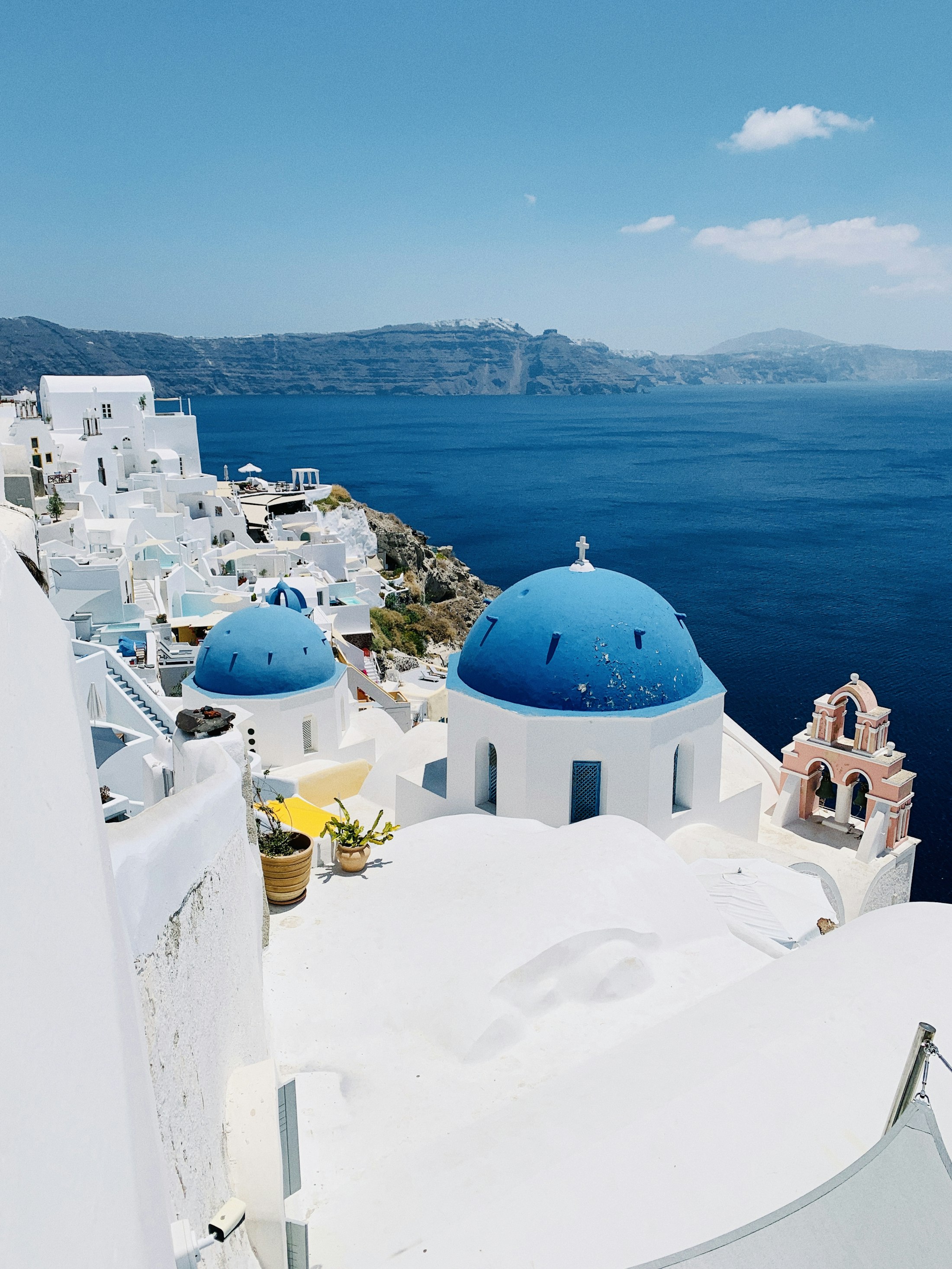
The cobblestones of Megalochori hold a silence that Oia and Fira surrendered decades ago. Here, bougainvillea spills over crumbling neoclassical archways, elderly men play tavli in a square that sees perhaps thirty tourists on a busy day, and beneath nearly every courtyard lies a canava — a barrel-vaulted wine cave carved from volcanic tuff centuries ago by Venetian merchants who understood that Santorini's terroir demanded reverence, not rush.
This guide maps a walking wine route through Megalochori's canavas and tasting rooms, most of which sit within a ten-minute stroll of the village bell tower. You'll learn which producers pour rare single-vineyard Assyrtiko by the glass, where to find aged Vinsanto that predates most visitors' birth years, and why this pocket of southern Santorini — overlooked by caldera-chasing crowds — is arguably the most important wine address in the Aegean.
1. Understanding Megalochori's Canava Tradition
The word canava derives from the Italian "canova," meaning cellar or storehouse. In Megalochori, these subterranean vaults served double duty during Venetian and Ottoman rule: wine production below, living quarters above. The village once housed over twenty working canavas. Today roughly a dozen survive in various states of restoration, their curved pumice ceilings maintaining a natural temperature around 16°C year-round.
You'll recognise a canava by its low arched entrance, typically set into a hillside along the village's narrow lanes. Step inside and the temperature drops immediately. The air carries a permanent sweetness — decades of Vinsanto ageing in oak have seeped into the stone itself. Several canavas now function as tasting rooms, but others remain private, their iron doors shut to all but family.
The best starting point is the central plateia near the Church of the Assumption, where the village's main pedestrian lanes radiate outward. Arrive before 11 a.m. on weekdays and you may have every tasting room effectively to yourself. The light is softer, the proprietors more generous with their time, and the wines taste sharper before the midday heat flattens your palate.
Avoid visiting on cruise-ship heavy days, typically Tuesdays and Thursdays in peak season, when organised tours occasionally bus groups through. Megalochori absorbs them gracefully, but the intimacy of a private canava tasting evaporates when twelve strangers crowd a space designed for barrels, not bodies.
Pro tip:Download the free Megalochori Heritage Walk map from the village's cultural association website before arriving — it marks canava locations that have no signage and would otherwise be invisible to visitors.
2. Gavalas Winery: The Village's Living Ancestor
Gavalas Winery, located on the main lane roughly 200 metres south of Megalochori's plateia, is the oldest continuously operating family winery in Santorini, with roots stretching to at least 1895. The current generation — Yiannis and his sister Fotini — produce around 40,000 bottles annually from estate-grown fruit, a fraction of what the island's larger operations bottle, and every wine reflects obsessive restraint.
Your essential order here is the Gavalas Katsano, a single-vineyard Assyrtiko from vines trained in the traditional kouloura basket shape. It delivers the grape's hallmark salinity and citrus but layers in a flinty minerality that lingers for a full minute. Production rarely exceeds 3,000 bottles. If it's available by the glass during your visit, don't hesitate — it sells out at the winery by August most years.
The tasting room itself occupies a restored canava with original wooden beams and a stone press visible behind glass. Tastings cost between €15 and €30 depending on the flight. The top-tier option includes their Vinsanto, a sweet wine aged a minimum of eight years in oak that tastes of dried fig, toffee, and sea salt. Pair it with the walnuts they serve alongside.
Fotini often manages the tasting bar personally during quieter mornings and can explain the family's transition to organic viticulture. Ask about their experimental Mavrotragano red — only 800 bottles produced — which is reshaping assumptions about what Santorini's volcanic soil can do with indigenous red varietals.
Pro tip:Book the 10 a.m. slot directly via the winery's website at least three days ahead during June through September. Walk-ins are accommodated but the morning allocation fills fast and afternoons get uncomfortably warm inside the canava.
Stay in Santorini
Top-rated hotels near Santorini
Best locations · Verified reviews · Free cancellation
View deals
Expedia →3. Canava Roussos: Vinsanto in a Time Capsule
Canava Roussos sits at the southern edge of Megalochori, marked only by a hand-painted sign and a wooden door set into a pumice wall on the road toward Akrotiri. This is not a polished tasting room — it's a working cellar where the Roussos family has been ageing Vinsanto in chestnut barrels since the 1930s. The experience feels closer to visiting a private collection than a commercial winery.
The star here is the Vinsanto Reserva, drawn from barrels that have rested undisturbed for twelve to fifteen years. You taste it from small ceramic cups, standing among the very casks it came from. The flavour profile is extraordinary: burnt caramel, dried apricot, espresso, and a finish that recalls iodine and roasted almonds. It is among the most concentrated sweet wines you will encounter anywhere in Greece.
Visits must be arranged by phone — Yiannis Roussos speaks limited English but manages bookings through his daughter, who can be reached via the winery's Facebook page. Expect to pay around €20 for a tasting of three wines including the Reserva. There is no formal food pairing, but Yiannis typically sets out a plate of local kopanisti cheese and barley rusks.
This canava has no air conditioning and limited seating, so wear light clothing and comfortable shoes. The cellar floor is uneven volcanic rock. It's genuinely off-grid — no card machine, no Wi-Fi — so bring cash in small denominations. The bottles you can purchase here are exclusive to this location and unavailable in Fira wine shops.
Pro tip:Ask Yiannis to show you the back cellar where pre-2000 barrels rest — he occasionally offers a taste from these older casks for visitors who show genuine interest, but he won't volunteer it unprompted.
4. Pairing Assyrtiko at Taverna Skaros
After morning tastings, walk five minutes north from the plateia to Taverna Skaros, a family-run restaurant on the lane leading toward Pyrgos. The terrace is modest — eight tables shaded by a mulberry tree — but the kitchen executes traditional Santorinian meze with remarkable precision. This is where local winemakers come to eat lunch, which tells you everything worth knowing.
Order the fava me kapari — yellow split pea puree topped with crisped capers and Santorinian cherry tomatoes. It is the island's defining dish, and Skaros sources its fava from a single producer in Akrotiri who sun-dries the legumes on rooftops. Paired with a glass of chilled Assyrtiko, the combination is electric: the wine's acidity cuts through the fava's earthy richness while echoing the capers' brininess.
The grilled octopus here deserves attention. It arrives charred and tender, dressed only in olive oil and oregano, with a texture that suggests it was beaten and hung in the traditional manner rather than tenderised mechanically. Ask for a half-portion if you're continuing to eat through the afternoon — the serving is generous enough for two.
Avoid the moussaka, which is competent but generic and exists mainly for visitors who want something familiar. Skaros shines with its raw-material dishes: tomato fritters, white aubergine salad, and sardines grilled over vine cuttings. The wine list is short — perhaps fifteen labels — but every bottle is from a Santorini producer, and the markup is among the lowest on the island.
Pro tip:Request the house white that isn't printed on the menu — it's an unlabelled carafe of Aidani-Assyrtiko blend made by a neighbour, served cold, and costs just €8 for a half-litre. It drinks beautifully with the fava.
5. Sunset Tasting at Boutari Winery's Megalochori Terrace
Boutari, one of Greece's most established wine names, operates a handsome facility on the Megalochori-Fira road about a kilometre north of the village centre. While Boutari's reputation is built on its mainland holdings, the Santorini outpost focuses exclusively on island varietals, and the terrace here — facing west toward the caldera — offers a sunset tasting experience that rivals Oia's spectacle without the elbow-to-elbow crowds.
The premium tasting flight (€25) includes five wines and a small plate of local cheeses. Your focus should be the Boutari Kallisti Reserve Assyrtiko, fermented in French oak and aged for six months. It's a polarising wine — purists prefer their Assyrtiko unoaked — but the vanilla and toast notes marry surprisingly well with the grape's volcanic minerality, producing something that feels closer to white Burgundy than typical Aegean wine.
The facility itself is modern and well-curated, with an indoor exhibition on Santorini's viticultural history that includes century-old pruning tools and photographs of the kouloura vine training technique. Staff are uniformly knowledgeable, and several hold WSET certifications. Tastings are available in English, French, and German.
Book the 6:30 p.m. slot for the sunset terrace between May and October. Arrive fifteen minutes early to secure a front-row seat. The wind can pick up aggressively at this elevation around dusk, so bring a light jacket even in July. Unlike the village canavas, Boutari accepts cards and ships internationally.
Pro tip: Skip the standard tasting and ask specifically for the Assyrtiko Vertical Flight — available only on request — which compares three vintages side by side and demonstrates how the wine evolves over five to seven years in bottle.
Stay in Santorini
Top-rated hotels near Santorini
Best locations · Verified reviews · Free cancellation
View deals
Expedia →6. The After-Dark Canava: Symposion Wine Bar
Symposion Wine Bar occupies a restored 19th-century canava on Megalochori's southwestern lane, roughly 100 metres from the village parking area. It opens at 7 p.m. — deliberately late — catering to visitors who've spent the day tasting at wineries and want a more contemplative evening pour. The interior is candlelit, the barrel-vaulted ceiling intact, and the playlist leans toward understated jazz rather than the bouzouki loops that haunt lesser establishments.
The wine list here spans nearly sixty Santorinian labels, including several micro-producers you won't find anywhere else on the island. Ask the sommelier — usually Nikos, who previously worked at Selene in Pyrgos — about the Hatzidakis Aidani, a floral, honeyed white from a producer whose untimely death in 2017 makes remaining bottles increasingly scarce. It's listed by the glass when available.
Order the cheese board with Santorinian chloro, a fresh goat cheese aged briefly in brine, alongside aged graviera from Naxos. The combination with a glass of Sigalas Kavalieros — arguably the island's most prestigious single-vineyard Assyrtiko — is a masterclass in terroir-driven pairing. Each element tastes of the Cycladic landscape: salt, wind, mineral, sun.
Symposion doesn't take reservations for groups smaller than four, so simply arrive. The space holds about twenty-five people comfortably. On weeknights in shoulder season, you may share it with just a handful of others, mostly Greek couples from Athens escaping the tourist orbit. This is the Santorini wine experience at its most refined and its most quiet.
Pro tip: If Nikos offers a taste of the Hatzidakis Vinsanto from the 2004 or 2008 vintage, say yes regardless of price — these are benchmark Greek dessert wines approaching collector status and becoming nearly impossible to source.
7. Walking the Vineyard Trail to Akrotiri
For context beyond the glass, walk the unpaved vineyard trail that connects Megalochori to the archaeological site at Akrotiri, roughly 3.5 kilometres south. The path winds through some of Santorini's oldest vine plots, where Assyrtiko vines — some over seventy years old — crouch in their distinctive kouloura baskets close to the pumice-rich soil, shielded from the meltemi winds that batter the island from July through September.
Start from the southern edge of Megalochori near Canava Roussos and follow the dirt track past the Chapel of Agios Nikolaos. Within twenty minutes, you're surrounded by low-slung vineyards with no buildings visible in any direction. The landscape is lunar and austere — grey-white earth, skeletal vines, and a sky that feels unreasonably vast. You'll understand viscerally why these wines taste the way they do.
Bring water — there is no shade and no facilities along the route. The walk takes about fifty minutes at a moderate pace. Wear closed-toe shoes with grip; the path crosses loose volcanic gravel in several sections. The best time is early morning or late afternoon when the light turns golden and the heat is manageable.
At Akrotiri, reward yourself at Metaxi Mas taverna, a short walk from the archaeological site on the road toward Red Beach. Their tomato fritters and santorinian salad are outstanding, and they pour a solid house Assyrtiko for under €7 a glass. The return to Megalochori can be made by local bus — the KTEL service runs roughly every ninety minutes — or by taxi for around €10.
Pro tip: Photograph the kouloura vine baskets up close during the walk — the technique is unique to Santorini and is being considered for UNESCO Intangible Cultural Heritage status, making these living specimens culturally significant beyond their viticultural function.
Essential tips
Megalochori has a free public parking lot on its western edge — the village interior is entirely pedestrianised. Arrive before 10 a.m. in peak season as the lot fills by midday. Overflow parking exists along the Pyrgos road but adds a ten-minute uphill walk.
Pace your tastings with water between canavas. Santorini's Assyrtiko typically runs 13–14% ABV, higher than many expect from a white wine. Three tastings across a full day is ideal; more than that and palate fatigue will undermine the experience.
Visit between late April and mid-June or in September for the best experience. July and August bring heat that makes canava-hopping punishing, and several smaller producers reduce tasting hours or close to focus on harvest preparation from late August onward.
If purchasing bottles, ask each winery about shipping rather than packing wine in checked luggage. Gavalas and Boutari both offer international delivery. For smaller producers, Wine In Transit — a logistics company in Fira — handles door-to-door shipping from Santorini to most EU and US addresses.
Budget approximately €80–€100 per person for a full day of tastings, lunch, and an evening glass. Most village canavas are cash-only. The nearest ATM is in Pyrgos, roughly four kilometres northeast, so withdraw before arriving in Megalochori.
Ready to visit Santorini?
Book your hotel, flights, and activities through our Expedia-powered search.


