In This Guide
- 1.Grandi Mathöll: The Food Hall That Anchors Everything
- 2.Matur og Drykkur: Grandma's Recipes, Reimagined in a Fish Shed
- 3.The Marshall House: Art, Cocktails and a Rooftop You Shouldn't Miss
- 4.Bryggjan Brugghús: Harbour-Front Craft Beer and Langoustine Soup
- 5.Walking the Harbour Wall at Midnight: Esja, Seabirds and the Light
- 6.Sjávargrillið's Grandi Pop-Up: Late-Night Fermented Shark and Fire-Grilled Monkfish
- 7.Omnom Chocolate Factory: A Midnight Sweet Tooth, Sorted
At eleven o'clock on a June night, Reykjavik's Grandi Harbour glows in the uncanny amber of a sun that refuses to set. Fork-lifts have gone quiet outside the old fish-processing sheds, but the neighbourhood is anything but asleep. Smoke curls from a converted warehouse grill, couples lean against shipping containers nursing natural wine, and the faint tang of salt cod hangs in air that tastes like the North Atlantic itself.
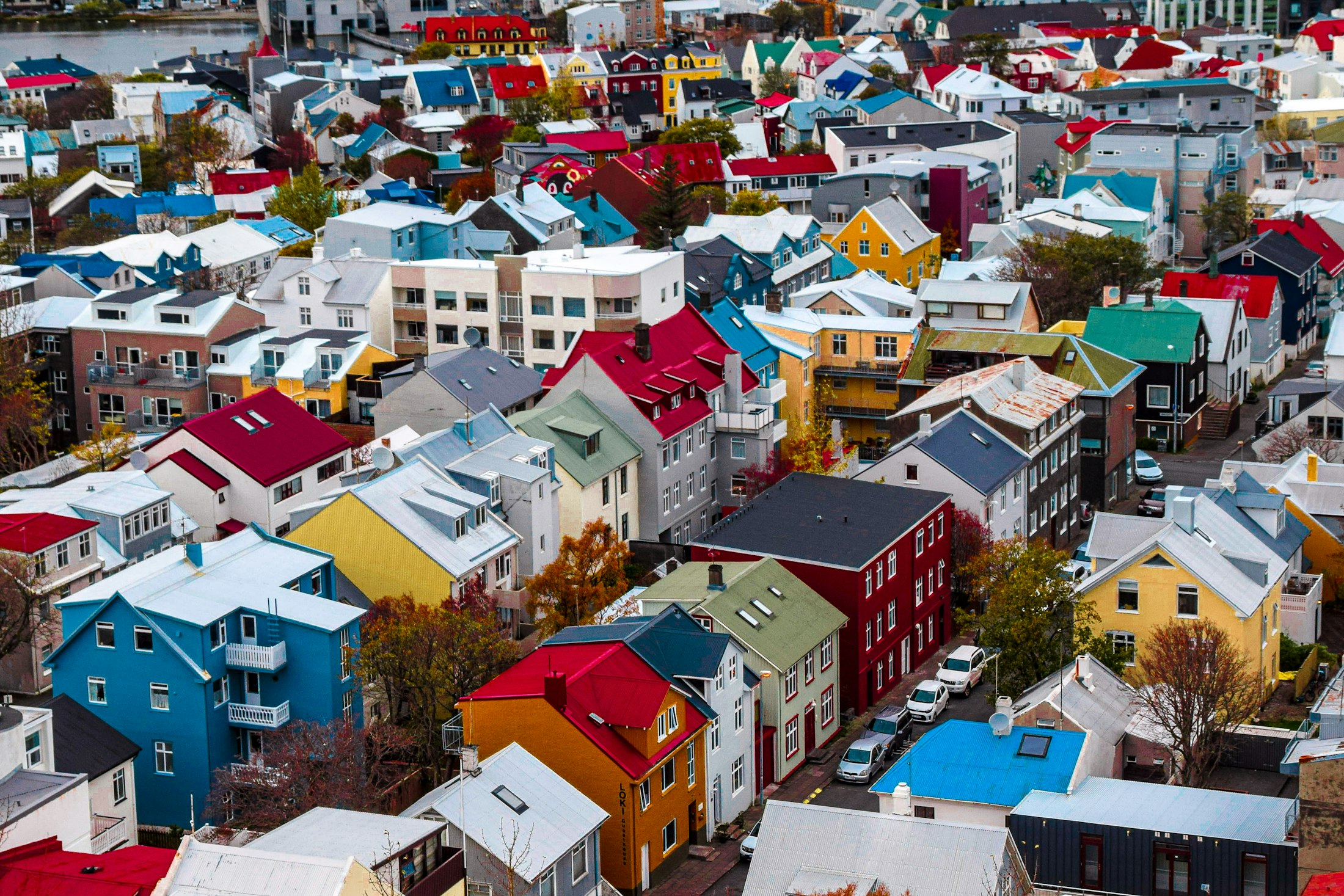
This guide maps the essential stops along Grandi's half-mile waterfront strip — from a legendary lobster soup counter to an experimental fermentation lab — and explains why this former industrial dock has become Iceland's most compelling dining neighbourhood. If you only have one evening in Reykjavik (and the midnight sun gifts you extra hours), spend it here.
1. Grandi Mathöll: The Food Hall That Anchors Everything
Start at Grandi Mathöll, the converted fish warehouse at Grandagarður 16 that operates as the neighbourhood's communal kitchen. The vaulted corrugated-iron ceiling and raw concrete floors are deliberately unpolished — this is not a tourist market pretending to be local. A dozen stalls serve everything from Icelandic street tacos to slow-fermented sourdough, but the energy peaks around ten at night when the after-dinner crowd drifts in.
Head straight to the Gastro Truck counter at the hall's northeast corner. Their pan-fried Arctic char with skyr emulsion and pickled red onion is the single best casual plate in the building — crisp skin, translucent flesh, served on a steel tray in under four minutes. Skip the burger stalls unless you need ballast for a long night.
The wine bar tucked near the entrance pours a tight Icelandic-curated list of low-intervention bottles. Ask for whatever Georgian skin-contact white they have open; it pairs improbably well with the char. Seats by the harbour-facing window give you an unobstructed view of the sun hovering above Esja.
Grandi Mathöll closes at eleven most nights in summer, so arrive by nine-thirty to eat without rushing. The crowd skews young and local on weeknights — a good barometer that you are in the right place.
Pro tip: Grab a window seat on the west-facing side before 10pm. As the hall empties, you get an uninterrupted midnight-sun panorama over Faxaflói Bay that most visitors never see because they arrive too early.
2. Matur og Drykkur: Grandma's Recipes, Reimagined in a Fish Shed
Matur og Drykkur occupies a handsome black-timber former salt-fish factory at Grandagarður 2, directly on the harbour wall. Chef-owner Gísli Matthías Auðunsson built his reputation on taking traditional Icelandic preservation techniques — smoking, salting, fermenting, drying — and filtering them through a contemporary Nordic lens. The dining room's open kitchen faces the water, and on bright summer nights the light floods across every plate.
Order the salt-cod head baked in bread dough. It arrives as a swollen loaf that your server cracks open tableside, releasing a cloud of briny steam. The flesh inside is impossibly tender, seasoned only with butter and wild thyme. It looks medieval and tastes transcendent.
The drinks programme favours Icelandic craft beers and aquavit flights. Try the caraway aquavit alongside the cod head — the anise note cuts through the richness cleanly. Avoid the cocktail list if you are budget-conscious; individual drinks here can top 3,000 ISK.
Reservations are essential from June through August, even for the late seating at nine-thirty. Request a harbour-side table and mention if you want the tasting menu so the kitchen can time courses to the lingering sunset.
Pro tip: Ask your server for the off-menu smoked lamb fat butter — they sometimes keep a small batch for regulars. Spread it on their warm rye bread and you will understand why Icelanders revere lamb fat the way the French revere foie gras.
Stay in Reykjavik
Top-rated hotels near Reykjavik
Best locations · Verified reviews · Free cancellation
View deals
Expedia →3. The Marshall House: Art, Cocktails and a Rooftop You Shouldn't Miss
Halfway along Grandagarður you will spot the Marshall House, a stark white former fish-meal factory that now holds three floors of contemporary art galleries including the Living Art Museum and Kling og Bang. Entry is free. The ground-floor gallery rotates Icelandic and Scandinavian artists monthly, and the raw industrial ceilings make even middling installations look dramatic.
Climb to the top floor for the studio of Ólafur Elíasson, the Danish-Icelandic artist behind London's famous Weather Project. While the studio is not open to the public, the stairwell walls display project documentation worth pausing over. The rooftop terrace, however, is the real draw — an unguarded concrete platform with 360-degree harbour and mountain views.
Drop back to the ground level for a drink at the Marshall Restaurant and Bar. Their signature Brennivín sour blends Iceland's caraway spirit with lemon, egg white and a whisper of birch syrup. It is one of the most well-balanced cocktails in the city, and the late-evening light through the industrial windows makes the room feel cinematic.
The Marshall House stays open until eleven on summer weekends, making it a natural first stop before a late-night seafood crawl. Time your visit to catch the golden-hour light around ten — the white walls turn warm amber and the whole building transforms.
Pro tip:Visit the Kling og Bang gallery on a Thursday evening when local openings often include free wine and a crowd of Reykjavik's creative scene. It is the easiest way to meet locals without contriving a conversation.
4. Bryggjan Brugghús: Harbour-Front Craft Beer and Langoustine Soup
Bryggjan Brugghús sits inside a cavernous old warehouse at Grandagarður 8, its copper brewing tanks visible behind the bar. The brewery produces around a dozen beers on-site, but ignore the safe lager and ask for whatever limited-run IPA is pouring that week. The brewers experiment with Icelandic botanicals — crowberry, angelica, Arctic thyme — and the results range from fascinating to superb.
The langoustine soup here has achieved near-mythical status among locals. It arrives in a deep bowl, brick-orange and silky, loaded with whole langoustine tails and finished with a swirl of cream and chive oil. Pair it with their sourdough and salted Icelandic butter. It is not cheap at around 3,800 ISK, but portions are enormous.
The ground-floor seating opens onto the dock, and on calm summer nights you can sit outside with your beer and watch fishing boats return to port in the never-quite-dark. Children play on the harbour wall, dogs wander between tables, and the scene feels refreshingly unperformative.
Avoid Friday nights between eleven and midnight if you dislike crowds — the brewery doubles as a live-music venue on weekends and the volume makes conversation difficult. Weeknight visits between nine and eleven hit the sweet spot of atmosphere without chaos.
Pro tip: Ask the bartender for a tasting flight of their seasonal small-batch series. For around 2,500 ISK you get four 150ml pours that showcase ingredients you will not find in any other brewery on earth, including smoked dulse seaweed ale.
5. Walking the Harbour Wall at Midnight: Esja, Seabirds and the Light
Between Bryggjan Brugghús and the Whales of Iceland museum, a concrete promenade runs uninterrupted along the harbour wall for roughly 800 metres. At midnight in June, this walk is transformative. The sun sits just above the Esja mountain range across the bay, casting a horizontal gold light that turns the water into hammered copper and silhouettes the cranes of the old dock.
Arctic terns patrol the shoreline aggressively — they nest nearby and will dive-bomb your head if you wander too close. Keep to the marked path and resist the temptation to approach the nesting areas near the gravel lots. A raised hand above your head deters most dive-bombers; locals do this reflexively.
Bring a light windproof layer even in summer. The harbour funnels wind off Faxaflói Bay and temperatures drop noticeably after eleven. The walk itself is flat and accessible, suitable for anyone comfortable on uneven pavement, and you will share it with joggers, couples and the occasional photographer chasing the same impossible light.
Stop at the small black lighthouse at the promenade's western tip. From here you can see Harpa concert hall glittering to the east and Viðey island to the north. It is the single best vantage point in Grandi and almost nobody writes about it.
Pro tip: Download the Íslenski Fuglinn app before your walk — it identifies Icelandic bird calls in real time. You will hear kittiwakes, fulmars and oystercatchers along the harbour wall, and the app turns a casual stroll into an impromptu birding expedition.
Stay in Reykjavik
Top-rated hotels near Reykjavik
Best locations · Verified reviews · Free cancellation
View deals
Expedia →6. Sjávargrillið's Grandi Pop-Up: Late-Night Fermented Shark and Fire-Grilled Monkfish
During summer, the acclaimed Sjávargrillið (Seafood Grill) occasionally runs a late-night pop-up counter near the Grandi dock area, typically Thursday through Saturday from ten until midnight. The format is deliberate: a short menu of five or six dishes, all cooked over an open-flame Binchotan grill and served on reclaimed fish-shed timber boards. Check their Instagram for location updates — it moves between warehouse spaces.
The hákarl tasting here is the most approachable version of fermented shark you will find in Iceland. Chef-curated and served in thin slivers alongside pickled beet and a shot of Brennivín, it strips away the novelty-fear factor and lets you taste the ammonia-sharp funk for what it is — a genuine cultural artefact rather than a dare.
Their fire-grilled monkfish tail, basted with brown butter and served with charred leek ash, is the standout main. The flesh is dense and sweet, the char flavour deep without bitterness. Ask for extra lemon — they under-serve it, and the acidity lifts the dish significantly.
This is not a reservations operation. Arrive by ten-fifteen, join the short queue, and expect to eat standing at high tables in a warehouse that still smells faintly of engine oil and sea salt. It is the most viscerally Icelandic dining experience in the city.
Pro tip: Follow @sjavargrillid on Instagram for pop-up location pins — they typically post the address by 6pm on event days. Arrive within the first thirty minutes; the monkfish tail sells out fast and they do not restock.
7. Omnom Chocolate Factory: A Midnight Sweet Tooth, Sorted
Omnom Chocolate occupies a bright, minimalist workshop at Hólmaslóð 4, right in the heart of Grandi. This bean-to-bar operation sources cacao from Nicaragua, Tanzania and Madagascar, roasts and grinds on-site, and wraps each bar in the kind of graphic design that wins international awards. The factory shop stays open late in summer, often until eleven, and the scent of roasting cacao drifts across the car park.
Take the thirty-minute factory tour if it is running — guides walk you through tempering, moulding and tasting with genuine expertise rather than scripted enthusiasm. The highlight is sampling chocolate at different stages of production, from raw nib to finished bar, which rewires your understanding of how flavour develops.
Buy the sea-salt and lava-smoked single-origin dark bar as your souvenir. At around 1,200 ISK it is not cheap, but it is produced in micro-batches and genuinely unavailable outside Iceland. The milk-chocolate liquorice bar is polarising — Icelanders love it, most visitors find the salted liquorice overpowering.
The shop doubles as a small café serving drinking chocolate made from their own couverture. Order the dark drinking chocolate with a pinch of Icelandic sea salt — it is dense, bitter and warming, exactly what you want after a wind-blown harbour walk at midnight.
Pro tip: Ask the shop staff which single-origin bar is newest — Omnom releases limited editions quarterly and the freshest batch has a noticeably brighter, more complex flavour than anything that has sat on a shelf for weeks.
Essential tips
The midnight sun is strongest from late May to mid-July. Peak golden-hour light at Grandi hits around 11pm to midnight — bring sunglasses even at that hour, as the low-angle glare off the harbour water is surprisingly intense.
Grandi is exposed to harbour wind even in summer. Carry a packable windproof shell and a light merino layer. Temperatures along the waterfront can feel five to eight degrees colder than downtown Reykjavik, especially after 10pm.
Iceland is virtually cashless. Every stall, pop-up and food truck in Grandi accepts contactless card payment, including Visa and Mastercard. Do not bother exchanging króna — you will not need physical currency anywhere in the neighbourhood.
Grandi is a flat fifteen-minute walk from Harpa concert hall along the harbour path. Alternatively, Strætó bus route 14 stops at Grandagarður. Avoid driving — parking is extremely limited on summer evenings and the one-way streets around the docks are confusing.
Book Matur og Drykkur via their website at least three days ahead for summer visits. Most other Grandi spots are walk-in only. Save Sjávargrillið's Instagram notifications so you catch pop-up announcements the moment they drop.
Ready to visit Reykjavik?
Book your hotel, flights, and activities through our Expedia-powered search.


