In This Guide
- 1.Start at Janjan Yokocho: The Covered Arcade That Time Forgot
- 2.Kushikatsu Daruma: Navigating the Icon Without the Queue
- 3.The Sauce Spectrum: Understanding Shinsekai's Secret Condiment Wars
- 4.Off-Script Drinking: Tachinomiya Standing Bars on Dōri Side Streets
- 5.Tsutenkaku Tower at Night: May's Colour Codes and the Best Vantage Points
- 6.Spa World and the Art of the Post-Feast Soak
- 7.The Late-Night Drift: Shinsekai Between Midnight and 2 AM
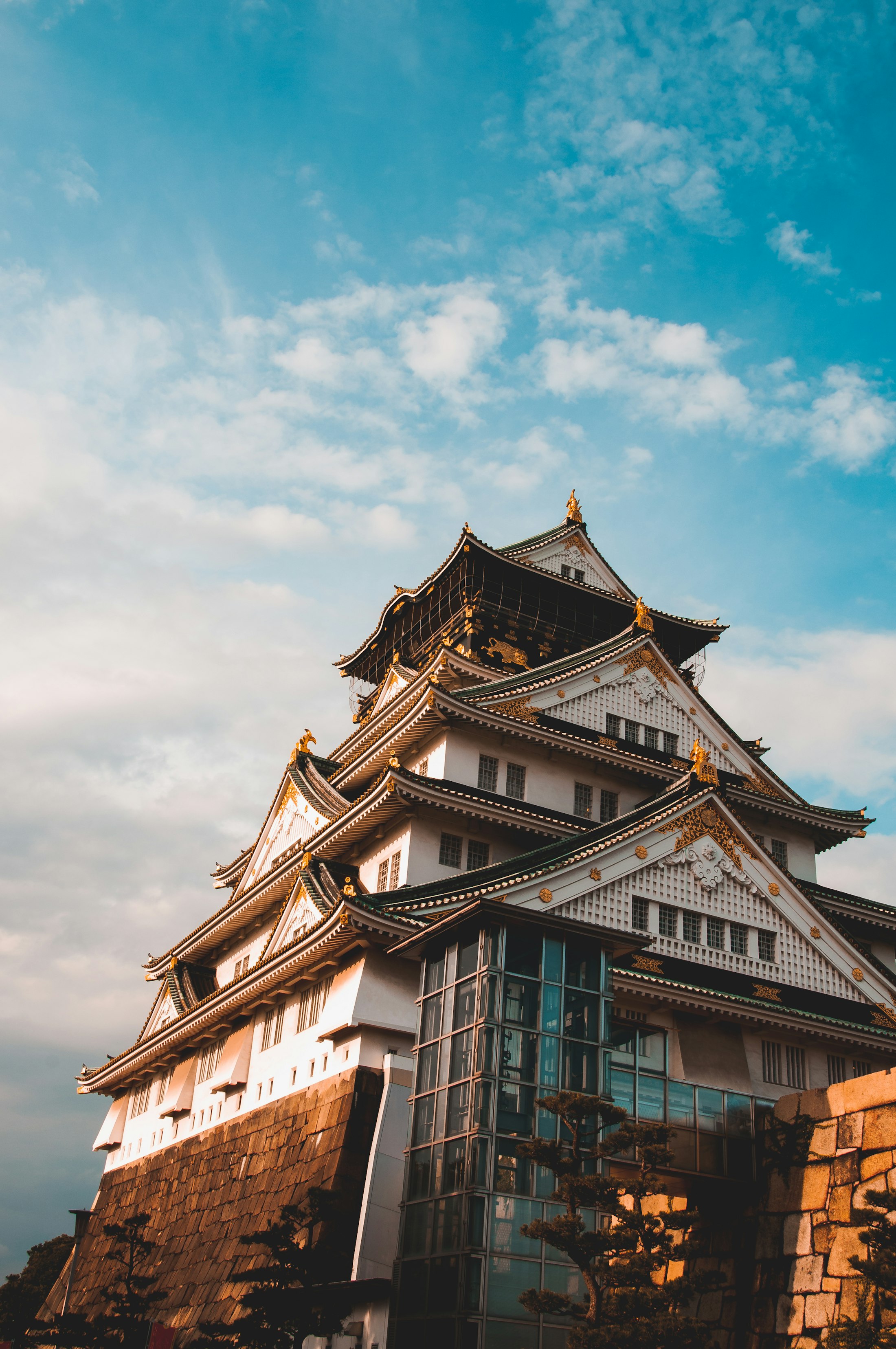
The Tsutenkaku tower pulses electric blue against the May sky as dusk settles over Shinsekai, and one by one the neighbourhood's legendary neon signs flicker to life — fat blowfish lanterns, cartoon chefs brandishing skewers, and kanji characters stacked vertically in hot pink and acid yellow. The air thickens with the smell of bubbling oil and sweet Worcestershire sauce. By nine o'clock, this former amusement district from 1912 has fully transformed into Osaka's most intoxicating late-night eating quarter.
This guide maps a specific after-dark route through Shinsekai's kushikatsu alleys and surrounding lanes during May — arguably the neighbourhood's sweet spot, when mild evenings draw locals outdoors but summer humidity hasn't yet descended. You'll learn exactly where to eat, what to order, which tourist traps to sidestep, and how to drink your way through side streets most visitors never find. Consider it your field-tested blueprint for one unforgettable night in Osaka's grittiest, most photogenic neighbourhood.
1. Start at Janjan Yokocho: The Covered Arcade That Time Forgot
Before you even reach the main kushikatsu strip, duck into Janjan Yokocho — the narrow covered arcade that runs parallel to Shinsekai's eastern edge, accessible from a small entrance near Dobutsuen-mae Station exit five. In May, the arcade's fluorescent lighting and cramped stalls feel almost cinematic against the warm evening outside. This is old Osaka, unpolished and unapologetically itself.
The arcade earned its name from the sound of shamisen music that once echoed through its corridor. Today you'll find shogi parlours where elderly men hunch over boards, tiny standing bars, and a handful of kushikatsu joints that predate the neighbourhood's tourism boom. Ignore the places with English menus propped outside.
Head to Yahiro, a cramped counter-only spot roughly halfway down the arcade, where the owner has been frying skewers since the early 1990s. Order the seasonal asparagus kushikatsu — May is peak season for Japanese asparagus — along with lotus root and pork belly. The batter here is notably lighter than the tourist-facing shops, almost tempura-like in its crunch.
You'll notice a communal steel trough of brown sauce on the counter. The cardinal rule of kushikatsu applies everywhere in Shinsekai: never double-dip. One confident plunge per skewer. If you need more sauce, use the provided cabbage leaf to scoop it. Breaking this rule will earn you a sharp reprimand from any self-respecting itamae behind the counter.
Pro tip: Arrive at Janjan Yokocho by 6:30 PM in May — early enough to grab a counter seat at Yahiro before the post-work crowd fills its eight stools. The arcade empties after 10 PM, making it eerily photogenic for a return walk later.
2. Kushikatsu Daruma: Navigating the Icon Without the Queue
No Shinsekai article is complete without mentioning Kushikatsu Daruma, the neighbourhood's most famous establishment, recognisable by its angry-faced mascot clenching a skewer. The original branch sits at 2-3-9 Ebisuhigashi, Naniwa-ku, and the queue on weekend evenings in May can stretch thirty minutes or longer. The food is genuinely good — consistent, well-seasoned, and fried with mechanical precision — but there's a smarter approach.
Skip the Tsutenkaku-adjacent flagship and walk three minutes south to the Dobutsuen-mae branch, which serves an identical menu with half the wait. Order the omakase set of ten skewers to sample the range, from prawn to quail egg to camembert cheese. The house sauce is tangier than most competitors, with a pronounced tamarind note that cuts through the oil.
What Daruma does better than almost anyone is consistency across its menu. The batter-to-filling ratio is exact, each skewer arriving at the same golden shade. For May specifically, ask if they're running the seasonal shiso-wrapped pork — fragrant, herbaceous, and available for only a few weeks during spring's tail end.
Daruma is a worthy stop, but don't build your entire evening around it. Treat it as one data point in a broader tasting itinerary. Two drinks and six skewers here should cost you around ¥1,800, leaving plenty of budget and appetite for the deeper cuts that follow.
Pro tip: The Dobutsuen-mae branch of Daruma opens at 11 AM but sees its lowest evening foot traffic between 7:30 and 8:15 PM on weekdays in May, when most tourists are still photographing the tower at golden hour.
Stay in Osaka
Top-rated hotels near Osaka
Best locations · Verified reviews · Free cancellation
View deals
Expedia →3. The Sauce Spectrum: Understanding Shinsekai's Secret Condiment Wars
Kushikatsu shops in Shinsekai guard their sauce recipes with genuine secrecy, and the differences between them are more dramatic than most visitors realise. The standard base is a Worcestershire-style brown sauce, but ratios of fruit puree, vinegar, soy, and dashi vary wildly from counter to counter. Developing a palate for these distinctions is half the pleasure of an evening here.
At Yaekatsu, located on the main Shinsekai strip near the base of Tsutenkaku, the sauce skews sweeter — almost barbecue-adjacent — and pairs particularly well with their signature renkon lotus root skewer. Two doors down, Tengu uses a darker, more vinegar-forward blend that works brilliantly with fattier items like pork belly and cheese.
Beyond the dipping sauce, pay attention to the dry seasonings offered at better establishments. Some provide shichimi togarashi, others a house-blended curry salt or yuzu pepper. At Kushikatsu Takoyaki Aidiea on the east side of the neighbourhood, you'll find a mustard-miso condiment that's entirely unique to their shop and devastatingly good on beef tenderloin skewers.
The sauce conversation also reveals a neighbourhood hierarchy. Locals judge kushikatsu shops by three criteria: batter texture, oil freshness, and sauce complexity. If you can speak to those three elements, you'll earn a nod of respect from the person frying behind the counter.
Pro tip:Carry a small notebook and jot tasting notes at each stop — sauce sweetness, batter thickness, oil clarity. Three or four shops in, patterns emerge, and you'll start identifying your personal Shinsekai favourite with surprising conviction.
4. Off-Script Drinking: Tachinomiya Standing Bars on Dōri Side Streets
Shinsekai's real drinking culture doesn't happen at the kushikatsu counters — it unfolds in the tachinomiya standing bars tucked into side streets east of the main drag. These are fluorescent-lit, no-frills operations where a large beer costs ¥350 and a glass of cheap shochu runs ¥200. In May's comfortable evening air, patrons spill onto the pavement, cans in hand, conversation overlapping.
Seek out Asahi, a standing bar on a narrow lane one block east of Tsutenkaku's south face. It has no English signage — look for a faded red awning and a hand-written menu taped to the window. The clientele is almost entirely local: off-duty taxi drivers, retired salarymen, and the occasional Osaka University student slumming it in the best possible way.
Order a hoppy — a low-malt beer-like beverage served with a separate bottle of shochu for DIY mixing — and a plate of doteyaki, beef tendon simmered in sweet white miso. This is Shinsekai's unofficial drinking snack, and Asahi's version is rich, sticky, and deeply savoury. Pair it with a plate of pickled cucumber to reset your palate.
The tachinomiya circuit is best enjoyed between 9 PM and 11 PM, after you've eaten your fill of kushikatsu. Three stops across three bars, one drink and one small plate at each, will cost less than ¥2,500 total and give you a truer portrait of Shinsekai's social fabric than any guided food tour could manage.
Pro tip:Standing bars in Shinsekai rarely accept credit cards. Withdraw cash from the 7-Eleven ATM on Shinsekai-dōri before 9 PM and carry at least ¥5,000 in small bills for the evening's secondary stops.
5. Tsutenkaku Tower at Night: May's Colour Codes and the Best Vantage Points
Tsutenkaku's LED illumination system changes colour based on the following day's weather forecast — white for clear skies, blue for rain, orange for cloudy. In May, you'll most frequently see white and orange alternating through the month, and locals genuinely glance at the tower before deciding whether to carry an umbrella. It's functional civic design disguised as spectacle.
The observation deck is open until 8 PM (last entry 7:30 PM), but the exterior view of the illuminated tower is far more compelling than the view from inside it. For the best vantage point, walk south along the main Shinsekai-dōri and position yourself near the Billiken statue outside the original Tsutenkaku entrance. The tower rises directly overhead, framed by the neighbourhood's densest concentration of neon signage.
For photographers, the ideal shooting position is the narrow pedestrian lane running between Kushikatsu Daruma's main branch and the adjacent pachinko parlour. From here, you capture the tower with layers of competing signage in the foreground, creating the stacked neon composition that defines Shinsekai's visual identity. A 35mm equivalent lens at f/2.8 handles the scene beautifully.
In late May, sunset falls around 7:05 PM, giving you a brief window of blue-hour magic between 7:20 and 7:45 PM when the sky retains deep colour and the neon is fully ignited. Time your dinner break accordingly — eat early, shoot blue hour, then resume eating and drinking through the later hours.
Pro tip:The Tsutenkaku slide — a 60-metre tower descent opened in 2022 — operates until 7:30 PM. At ¥1,000, it's a gimmick, but the 10-second ride genuinely delivers an adrenaline hit and a unique perspective of the neon canopy below.
Stay in Osaka
Top-rated hotels near Osaka
Best locations · Verified reviews · Free cancellation
View deals
Expedia →6. Spa World and the Art of the Post-Feast Soak
Your kushikatsu crawl deserves a proper ending, and Spa World — the enormous onsen complex at 3-4-24 Ebisuhigashi — provides exactly that. Open 24 hours, it offers themed bathing floors rotating monthly between European and Asian designs. In May 2024, the Asian floor was assigned to men and the European floor to women; the allocation typically switches each month, so check the entrance board on arrival.
The ¥1,500 evening entry fee (after 6 PM) grants access to multiple indoor and outdoor pools, saunas, and rest areas. After hours of fried food and standing-bar shochu, the outdoor rotenburo on the eighth floor — with its partial view toward Tsutenkaku — feels genuinely restorative. The mineral-rich water is heated to a perfect 41°C, warm enough to unknot your shoulders without overwhelming May's already mild air.
Downstairs, the rest area provides reclining chairs, blankets, and free Wi-Fi. Plenty of visitors use Spa World as an unconventional overnight stay, dozing in recliners until the morning train. If you've pushed your Shinsekai evening past last train (around midnight on the Midosuji Line), this is a practical and comfortable fallback that costs a fraction of a hotel.
Bring your own small towel to avoid the ¥200 rental fee, and note that Spa World enforces Japan's standard onsen rules: tattoos must be covered with provided concealment sheets, and you shower thoroughly before entering any pool. Arrive after 11 PM for the quietest experience.
Pro tip:Spa World's ground-floor food court stays open late and serves a credible bowl of Osaka-style kitsune udon for ¥550 — a soothing, low-effort nightcap meal if you've overdone the fried food but still want one last taste of the city.
7. The Late-Night Drift: Shinsekai Between Midnight and 2 AM
Shinsekai doesn't shut down at midnight — it simply changes register. The tourist crowds vanish, the neon keeps burning, and a quieter, more contemplative atmosphere settles over the streets. Some kushikatsu shops close by 11 PM, but a handful operate until 2 or 3 AM, catering to night-shift workers, insomniacs, and the occasional wanderer with good instincts.
Kushikatsu Jinya on the eastern fringe of the neighbourhood is one such late holdout, serving skewers until 1 AM on Fridays and Saturdays. The post-midnight menu is abbreviated — usually ten to twelve options — but the quality holds steady. Sit at the counter and order a final round of shrimp, shiso pork, and mochi skewers alongside a cold Asahi draft.
The visual character of Shinsekai shifts dramatically in these hours. With fewer pedestrians, the neon signs illuminate empty streets, casting coloured reflections on wet pavement if May's occasional evening showers have passed through. It's the closest Osaka gets to a Wong Kar-wai film — saturated, melancholic, and impossibly photogenic.
Walking the main strip after midnight, you'll pass shuttered game centres, a few diehard pachinko parlours still blaring, and stray cats navigating the alleys with proprietary confidence. This is Shinsekai at its most honest — a neighbourhood that doesn't perform for visitors but simply exists, neon blazing, for whoever shows up.
Pro tip:For late-night safety, stick to lit streets around the Tsutenkaku axis. The blocks immediately west of Shinsekai transition into Tobita Shinchi, Osaka's historic red-light district, which is best avoided after dark if you're unfamiliar with the area.
Essential tips
Take the Midosuji Line to Dobutsuen-mae Station (exit 1) — it drops you at Shinsekai's southern entrance. The last train toward Umeda departs around midnight, so plan your Spa World fallback if you intend to stay later.
Budget approximately ¥5,000–¥7,000 for a full evening including kushikatsu at two stops, three standing-bar drinks, and Spa World entry. Many small establishments are cash only — carry at least ¥8,000 to avoid ATM hunting mid-crawl.
May evenings in Osaka average 17–20°C, cool enough for a light jacket after 9 PM. Humidity is low compared to summer months, making extended outdoor walking between stops genuinely pleasant rather than endurance-based.
Some kushikatsu counters prohibit phone photography while seated, particularly during busy service. Always ask 'shashin daijōbu desu ka?' before shooting. At standing bars, photography is generally fine but avoid capturing other patrons' faces without permission.
Pace yourself across the evening — three to five skewers per kushikatsu stop is ideal. Ordering ten skewers at your first stop is a common tourist mistake that leaves no room for the neighbourhood's best discoveries later in the night.
Ready to visit Osaka?
Book your hotel, flights, and activities through our Expedia-powered search.


