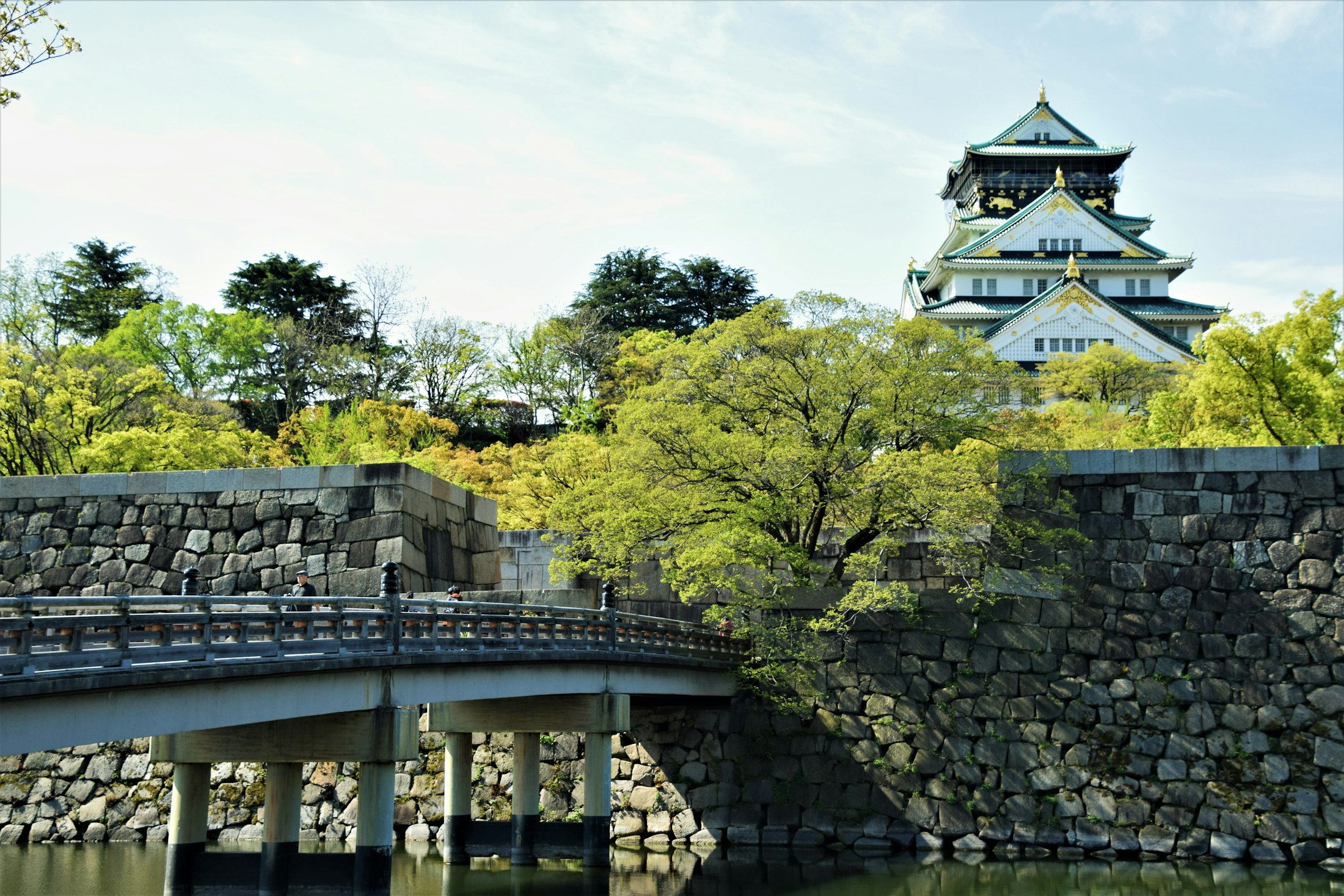
In This Guide
- 1.Yaekatsu: The 5 AM Kushikatsu Institution
- 2.Janjan Yokocho: The Covered Arcade at First Light
- 3.Daruma Sohonten: Navigating the Original Versus the Branches
- 4.Morning Coffee Culture at Kissaten Bon
- 5.Tsutenkaku Tower Observation Deck at Sunrise
- 6.Spa World Ohuro: The Post-Fry Soak
- 7.Shinsekai Market Street: Dawn Grocery Stalls and Standing Ramen
At five in the morning, Shinsekai is a different animal. The neon towers of Tsutenkaku and the blowfish lanterns are dimmed to a low hum, and the streets belong to overnight taxi drivers, elderly regulars in quilted jackets, and the clatter of steel-mesh frying baskets being lowered into shimmering oil. This is Osaka's retro quarter at its most honest — before the tourist crowds descend, when the kushikatsu bars serve their first golden skewers to people who never really went home.
This guide walks you through the morning-side rituals of Shinsekai, from the pre-dawn fry bars that have operated since the mid-twentieth century to the standing coffee counters and shotengai stalls that fuel Osaka's early risers. You will learn exactly where to eat, what to order, and how to navigate a neighbourhood that rewards those who set an alarm. In a city obsessed with food, these dawn hours offer something the afternoon queues cannot: proximity to the cooks, silence to hear the sizzle, and skewers that taste like they were fried just for you.
1. Yaekatsu: The 5 AM Kushikatsu Institution
Yaekatsu, tucked along Janjan Yokocho alley just south of Tsutenkaku, opens when most of Osaka is still asleep. The narrow counter seats twelve, and by five-thirty, half of those stools are occupied by cab drivers finishing their shifts. The batter here is thinner than the tourist-facing shops on the main drag — a light, crackling shell that shatters on contact.
Order the renkon lotus root first. The cross-section reveals its honeycomb chambers, each pocket holding a tiny reservoir of oil that cools quickly on the tongue. Follow it with the beef kushikatsu, a single cube of wagyu strung on a bamboo skewer and fried for under ninety seconds. The house sauce is a proprietary blend of Worcestershire, fruit vinegar, and dashi — thick, dark, and absolutely not for double-dipping.
You will notice the regulars order doteyaki alongside their skewers: a slow-simmered beef tendon stew cooked in white miso and mirin. It arrives in a small steel cup, rich and sticky, and it functions as a palate reset between fried courses. Pair it with a cold bottle of Asahi Super Dry from the counter fridge.
Avoid ordering too many skewers at once. The etiquette here is to go two or three at a time, allowing the cook to fry each batch to order. Stacking requests signals impatience, and at Yaekatsu, the pace is part of the contract between customer and cook.
Pro tip: Arrive before 5:30 AM on weekdays to guarantee a seat. Weekend mornings draw late-night revellers from Namba, and by six the wait can stretch to twenty minutes at this twelve-seat counter.
2. Janjan Yokocho: The Covered Arcade at First Light
Janjan Yokocho is a 180-metre covered arcade connecting Shinsekai to Dobutsuen-mae Station, and at dawn it functions like a tunnel between two eras. The overhead fluorescents buzz against hand-painted signage advertising shogi parlours, public baths, and standing bars that haven't changed their menus since the Showa era. Walking it before six o'clock, you hear only your own footsteps and the distant rattle of metal shutters opening.
The arcade's morning economy revolves around three things: kushikatsu, cheap draught beer, and conversation. Several bars along the strip technically never close, operating on a continuous twenty-four-hour licence that predates modern regulation. Regulars drift between establishments, carrying their own sense of time.
Look for the handwritten menus taped inside glass cases beside each doorway. These daily specials — often seasonal fish or vegetable skewers — rarely appear on laminated tourist menus. Asparagus wrapped in pork belly is a spring staple. In winter, you may find burdock root or mochi skewers.
Do not photograph people without asking. Janjan Yokocho's early-morning clientele value their anonymity, and the arcade's culture of quiet respect is what preserves its character. A nod of greeting will get you further than a camera lens.
Pro tip: Enter from the south end at Dobutsuen-mae Station exit 1. This approach puts you at the quieter, more residential stretch of the arcade where the oldest bars cluster together.
Stay in Osaka
Top-rated hotels near Osaka
Best locations · Verified reviews · Free cancellation
View deals
Expedia →3. Daruma Sohonten: Navigating the Original Versus the Branches
Kushikatsu Daruma is Shinsekai's most famous name, and the original Sohonten location on Dotonbori-dori in Shinsekai has been operating since 1929. The exterior features the iconic angry chef statue with arms crossed, an Osaka landmark photographed thousands of times daily. But most visitors arrive at peak lunch hours and leave without tasting what the kitchen does best — its morning-only seasonal rotations.
Between opening and roughly ten o'clock, the Sohonten counter is calm enough that chefs will walk you through unfamiliar items. Ask for the quail egg skewer, which arrives as a single orb encased in panko, its yolk still molten at the centre. The prawn skewer here is famously oversized, the tail arching above the batter line like a crescent.
You should know there are multiple Daruma locations across Shinsekai and Namba. The Sohonten is the only one worth a dedicated visit for the full counter experience. Branch shops often rely on set menus and faster turnover, sacrificing the interactive element that makes kushikatsu culture meaningful.
Pair your skewers with the house pickled cabbage, which is free and self-serve from a steel tray on the counter. It is crisp, lightly salted, and acts as the traditional accompaniment to cut through frying oil. Use it generously between courses.
Pro tip: The Daruma Sohonten address is 2-3-9 Ebisuhigashi, Naniwa-ku. Avoid the Dotonbori branch in Chuo-ku unless you enjoy queueing for forty minutes alongside tour groups for an identical menu.
4. Morning Coffee Culture at Kissaten Bon
After several rounds of fried food, you will need a palate cleanser and a moment of stillness. Kissaten Bon, located on a side street one block east of Tsutenkaku Tower, is a Showa-era coffee house with wood-panelled walls, vinyl booth seating, and a mama-san behind the counter who has been pulling shots on the same syphon apparatus for over thirty years. The morning set costs ¥500 and includes toast, a hard-boiled egg, and a cup of dark-roast coffee.
The coffee itself is brewed using a cloth-drip nel method, producing a round, low-acidity cup that sits somewhere between French press and pour-over. It is served in a ceramic cup on a saucer with a small silver spoon, a ritual of presentation that feels deliberately unhurried.
Kissaten culture is central to understanding Osaka's relationship with mornings. These coffee houses predate convenience stores and chain cafés, and they survive because their regulars treat them as living rooms. You will see retired men reading newspapers, small-business owners reviewing accounts, and the occasional off-duty hostess lingering over a cigarette in the smoking section.
If you prefer non-smoking, request the seat nearest the entrance. Ventilation is limited in these older establishments, and the front tables catch the most airflow when the door slides open.
Pro tip: Kissaten Bon does not appear on Google Maps in English. Search for ボン喫茶 in Japanese maps or simply ask any shopkeeper near Tsutenkaku — everyone in the neighbourhood knows it.
5. Tsutenkaku Tower Observation Deck at Sunrise
Tsutenkaku Tower does not open until ten o'clock, but the area surrounding its base is worth visiting at dawn for a reason that no guidebook adequately conveys: the light. At sunrise, the tower's steel lattice casts long geometric shadows across the Shinsekai intersection, and the retro neon signage — Hitachi, Glico, Ebisu — glows against a pink-grey sky in a way that feels cinematic without trying.
The small garden plaza at the tower's base contains a statue of Billiken, the American-born good-luck deity that Osaka adopted as Shinsekai's mascot in 1912. Locals rub the soles of Billiken's feet for fortune. At dawn, you can do this without elbowing through a crowd, which itself feels like good luck.
From the plaza, look south toward the Tennoji Zoo walls and the treeline of Tennoji Park. This corridor of green, framed by Shinsekai's chaotic signage, is one of Osaka's most underrated visual compositions. Photographers should bring a 35mm-equivalent lens to capture the full depth without distortion.
If you want the observation deck experience, return at opening time on a weekday. The ¥900 ticket grants access to both the standard and outdoor sky-walk platforms. The outdoor deck wraps around the tower at 94.5 metres and offers unobstructed views toward Abeno Harukas and the Osaka Bay waterfront.
Pro tip:The most photogenic angle of Tsutenkaku at dawn is from the south side of Shinsekai's main drag, roughly at the intersection with Tsutenkaku-Hondori shopping street. Arrive by 6:15 AM for golden-hour light in spring.
Stay in Osaka
Top-rated hotels near Osaka
Best locations · Verified reviews · Free cancellation
View deals
Expedia →6. Spa World Ohuro: The Post-Fry Soak
Spa World, located at 3-4-24 Ebisuhigashi just minutes from the heart of Shinsekai, is a sprawling onsen complex spread across multiple floors themed around bathing traditions from Europe and Asia. The early-morning entry fee — roughly ¥1,500 before eight o'clock — grants access to both zones, which alternate by gender monthly. Arriving after your dawn kushikatsu circuit, the heat of the baths feels corrective, as though it is drawing the oil from your pores.
The outdoor rooftop pool on the eighth floor is the highlight. It overlooks the Shinsekai rooftops with Tsutenkaku rising in the middle distance, steam curling off the water's surface into cold morning air. You will share it with perhaps three or four other bathers at six-thirty — a stark contrast to the afternoon crowds.
Wash thoroughly at the seated shower stations before entering any pool. This is non-negotiable onsen etiquette, and staff will intervene if you skip it. Soap, shampoo, and small towels are provided. Bring your own large towel or rent one at the front desk for ¥200.
After soaking, the rest area on the third floor offers reclining chairs and vending-machine drinks. A cold can of Calpis Soda here, with your muscles loose and your stomach full of kushikatsu, is one of Osaka's most unassuming pleasures.
Pro tip: Tattoo policies at Spa World fluctuate. As of recent visits, small tattoos are tolerated with adhesive cover patches sold at reception, but full sleeves may result in refusal. Check their English website the day before your visit.
7. Shinsekai Market Street: Dawn Grocery Stalls and Standing Ramen
The residential blocks east of the main Shinsekai tourist strip hide a small but vital morning market that most visitors never find. Along the unnamed lane running parallel to Ebisuhigashi 2-chome, a handful of produce vendors, tofu makers, and fishmongers set up around five o'clock, serving the neighbourhood's restaurants and the elderly residents of nearby danchi apartment blocks.
At the north end of this lane, a standing ramen counter with no English signage operates from roughly five-thirty to nine. The bowl is tonkotsu-shoyu, a Naniwa-style hybrid with a pork-bone base sharpened by soy. Noodles are thin and straight, ordered by firmness — ask for kata if you want them with bite. A bowl costs ¥650 and arrives within two minutes.
The tofu stall midway along the lane sells fresh yudofu sets in winter — silken tofu in hot dashi broth with grated ginger and scallions, served in a disposable cup for ¥300. It is the best ¥300 you will spend in Osaka, and it disappears from the menu by late March when temperatures rise.
This market is a working supply chain, not a tourist attraction. Be respectful of the vendors' commercial transactions, avoid blocking narrow paths with luggage, and buy something if you linger. A bag of mikan citrus or a block of fresh tofu makes an excellent hotel-room snack.
Pro tip: Access the market lane by walking east from the Billiken statue past the pachinko parlour on the corner. Turn left at the blue-tiled bathhouse — the stalls begin thirty metres ahead on both sides of the alley.
Essential tips
Take the Osaka Metro Midosuji or Sakaisuji line to Dobutsuen-mae Station. Exits 1 and 5 place you at the southern and northern edges of Shinsekai respectively. The first trains run from approximately 5:00 AM.
Shinsekai's morning establishments are overwhelmingly cash-only. Withdraw yen from the 7-Eleven ATM on Shinsekai's main drag the night before — it accepts international cards around the clock and dispenses ¥1,000 notes.
Never double-dip your kushikatsu skewer into the communal sauce trough. The rule is one dip per skewer, sauce-side down. If you need more, spoon sauce onto your plate using the provided cabbage leaf as a ladle.
Wear comfortable, slip-on shoes. Several bars, kissaten, and Spa World require shoe removal at the entrance. Lace-up boots slow you down and draw quiet sighs from staff managing genkan entryways during busy changeovers.
Osaka mornings run cold from November through March, often hovering around 3-6°C at dawn. Bring a packable down layer — Shinsekai's covered arcades are unheated, and you will be standing or sitting on metal stools near open kitchen fronts.
Ready to visit Osaka?
Book your hotel, flights, and activities through our Expedia-powered search.