In This Guide
- 1.Panagia Tourliani Monastery: The Spiritual Anchor
- 2.Lunch at To Steki tou Proedrou: The Island's Best-Kept Table
- 3.Walking to Paleokastro: A Fortress Above Farmland
- 4.Fokos Beach: An Empty Shoreline Fifteen Minutes Away
- 5.Cheese and Charcuterie at Mykonos Farmer: A Tasting Detour
- 6.Easter in Ano Mera: When April Turns Extraordinary
- 7.Day-Trip to Delos: The Sacred Island Next Door
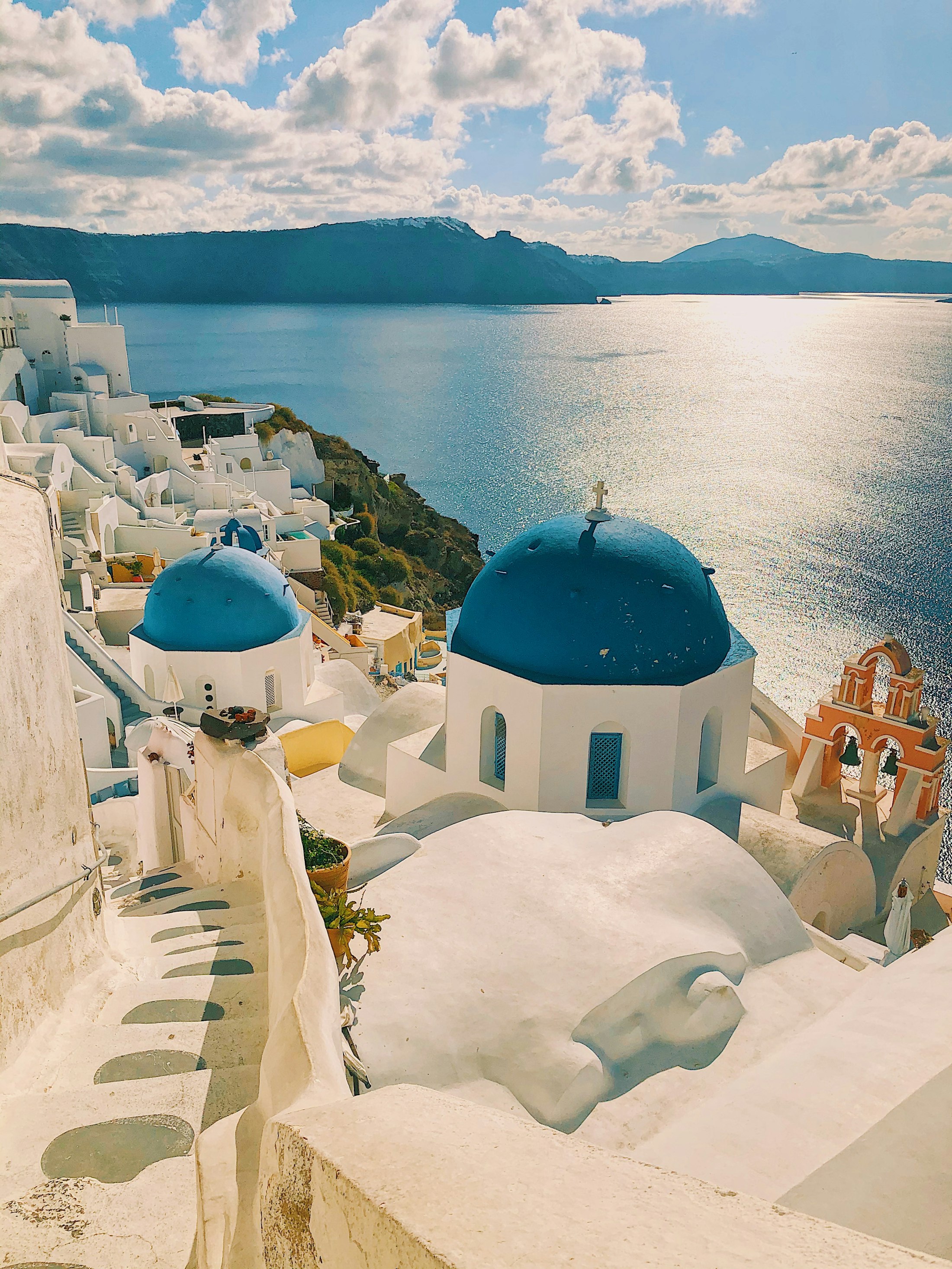
In April, Ano Mera feels like a secret Mykonos keeps from its own reputation. The inland village sits roughly seven kilometres east of Mykonos Town, centred on Pano Mera Square, where elderly men nurse tiny cups of Greek coffee beneath plane trees and stray cats sleep undisturbed on whitewashed steps. No cruise-ship passengers, no thumping beach clubs — just the quiet hum of a Cycladic village waking from winter.
This guide maps out exactly what to do, eat, and discover in Ano Mera during the unhurried weeks of April, before the seasonal machinery of Mykonos's tourism industry clicks into high gear. You will find specific tavernas worth driving across the island for, a sixteenth-century monastery most visitors overlook entirely, and pastoral walking routes that remind you Greece was never just about the beach. Consider this your case for arriving one month early.
1. Panagia Tourliani Monastery: The Spiritual Anchor
The Monastery of Panagia Tourliani dominates Ano Mera's central square with its whitewashed bell tower and carved marble fountain. Founded in 1542 and restored in 1767, it houses Florentine-school icons, ornate wooden screens, and embroidered vestments rarely seen outside a museum. In April, you may have the courtyard entirely to yourself.
Step inside the katholikon and study the hand-painted ceiling panels depicting scenes from Genesis. The resident monks are unhurried and occasionally willing to explain the iconography if you approach respectfully and quietly. Photography is permitted in the courtyard but prohibited inside the church.
Directly opposite the monastery entrance, a small ecclesiastical museum displays liturgical artefacts and hand-copied manuscripts. It keeps irregular hours in spring — mornings between ten and one are your safest window. Dress modestly: covered shoulders and knees are required, and this is enforced.
The monastery sits at the intersection of the village's two principal lanes, making it the natural starting point for any exploration of Ano Mera. No boutique hotel has touched these facades yet.
Pro tip: Visit before 10:30 a.m. when the monks are most receptive to visitors. A small donation box sits near the exit — contributing a few euros is customary and appreciated, especially in the off-season when the monastery receives almost no tourist income.
2. Lunch at To Steki tou Proedrou: The Island's Best-Kept Table
To Steki tou Proedrou sits on the southern edge of the main square, identifiable by its faded green chairs and handwritten daily menu. Run by the same family since 1987, this taverna serves the kind of unfussy Mykonian cooking that the island's coastal restaurants have largely abandoned in favour of truffle oil and wagyu.
Order the louza — Mykonos's air-dried pork loin seasoned with pepper and clove — sliced thin and served with bread still warm from the morning bake. The kopanisti cheese arrives sharp and faintly spicy, made from a recipe the owner's mother refuses to write down. Pair both with a half-litre of house white.
In April, the taverna typically opens for lunch only, roughly noon to four. You won't need a reservation. Sit outside facing the monastery and watch the village's unhurried midday rhythm — a delivery van, a priest crossing the square, the occasional rooster asserting dominance over nothing.
Skip the moussaka here; it sits too long under the heat lamp. Stick with the cold meze plates, the grilled lamb chops when available, and the horta gathered from hillsides around the village. Your total bill for two, with wine, will rarely exceed thirty-five euros.
Pro tip:Ask for the 'amygdalota' almond cookies if they have them — they are made in small batches and not listed on the menu. The owner's wife bakes them only when she feels like it, which in April is more often than July.
Stay in Mykonos
Top-rated hotels near Mykonos
Best locations · Verified reviews · Free cancellation
View deals
Expedia →3. Walking to Paleokastro: A Fortress Above Farmland
A marked trail beginning behind the village cemetery leads northeast to Paleokastro, the ruins of a medieval fortress perched on a low granite hill roughly two kilometres from Ano Mera. The walk takes thirty-five minutes at a comfortable pace and passes through terraced farmland where barley and broad beans grow in neat rows edged with dry-stone walls.
The fortress itself is modest — crumbled walls and a Venetian-era cistern — but the panoramic views justify every step. On a clear April morning you can see Tinos, Naxos, and the faint outline of Paros. Bring binoculars and you will spot migratory raptors riding the thermals between the islands.
April's wildflowers transform the hillside: crimson poppies, yellow crown daisies, and wild thyme so fragrant you smell it before you see it. The path is rocky but manageable in sturdy sandals; proper hiking shoes are better. There is no shade on the final ascent, so carry water.
Return via the same trail or loop south through the hamlet of Marathi, adding another twenty minutes but passing a small freshwater spring where locals fill bottles. The entire circuit never exceeds five kilometres and offers something Mykonos almost never does: genuine solitude.
Pro tip:Start by 8:30 a.m. to catch the soft morning light for photography and avoid the midday warmth. The trail is unmarked on Google Maps — look for a faded red arrow painted on a rock behind the cemetery's eastern wall.
4. Fokos Beach: An Empty Shoreline Fifteen Minutes Away
Fokos Beach lies on Mykonos's remote northern coast, accessible via a ten-kilometre dirt road from Ano Mera. In April, you will likely share this broad, sandy bay with no one but a few goats grazing on the headland. The water is still bracing — sixteen degrees on a warm day — but the sheltered cove and tamarisk trees reward a windless afternoon.
The unpaved road is the reason Fokos stays empty. Rent a small SUV or a rugged ATV from Mykonos Town; a standard compact will struggle with the potholes after heavy spring rain. Drive slowly and park beneath the tamarisks at the road's end.
Taverna Fokos, the lone structure behind the beach, typically opens in late April on weekends only. Its grilled fresh fish and fennel-spiked sausages are exceptional, cooked over vine cuttings in an outdoor stone hearth. Call ahead — the number is posted on a wooden sign at the beach — to confirm they are serving.
Bring a windbreaker even on sunny days. The meltemi winds that punish this coast in summer are gentler in April but not absent. A book, a towel, and a thermos of coffee complete the kit.
Pro tip: Pack your own lunch if visiting before late April — Taverna Fokos keeps irregular pre-season hours. A cooler bag with bread, kopanisti cheese, tomatoes, and a bottle of Tinos rosé makes a perfect beach picnic.
5. Cheese and Charcuterie at Mykonos Farmer: A Tasting Detour
Mykonos Farmer, on the main road between Ano Mera and Mykonos Town near the Ftelia junction, is a small agricultural cooperative and shop selling island-produced cheese, cured meats, preserves, and wine. In April, when the shop is unhurried, the staff often invite visitors behind the counter for impromptu tastings.
Start with the aged kopanisti, which here carries a deeper funk than any version you will find in Mykonos Town. Move to the xinomyzithra — a tangy, crumbly whey cheese that sings with the thyme honey produced just up the road. The louza and the syglino (smoked pork preserved in fat) are essential purchases for any self-catering traveller.
The cooperative also sells small-batch Mykonian wines from the Mandilaria grape, which produces a rustic red with earthy minerality. Buy a bottle or two — you will not find these labels outside the island. Prices run roughly forty percent less than identical products sold in Mykonos Town's boutique delis.
Ask about their farmstead visits, occasionally available in spring, which take you to the fields and animal pens where the cheese begins its life. These informal tours are free, last about thirty minutes, and reveal an agricultural side of Mykonos that contradicts every club-scene stereotype.
Pro tip:Buy the vacuum-sealed louza and kopanisti here for gifts — they travel well for up to three days unrefrigerated and pass through EU airport security without issue. Request double-sealing if you're checking luggage.
Stay in Mykonos
Top-rated hotels near Mykonos
Best locations · Verified reviews · Free cancellation
View deals
Expedia →6. Easter in Ano Mera: When April Turns Extraordinary
Greek Orthodox Easter falls in April most years, and Ano Mera celebrates it with an intensity that Mykonos Town's cosmopolitan veneer cannot replicate. On Good Friday, the entire village joins the epitaphios procession, carrying the flower-adorned funeral bier through candlelit streets while a Byzantine choir chants from the monastery steps.
Saturday midnight brings the Anastasi — the Resurrection service — when the square outside Panagia Tourliani erupts in fireworks, church bells, and the joyful greeting 'Christos Anesti.' You will be handed a red-dyed egg and a lit candle by someone you have never met. Accept both; crack the egg against theirs.
Easter Sunday lunch is a communal affair. Lamb turns on spits in nearly every courtyard, and neighbours set long tables across the lanes. As a visitor, you are unlikely to go unfed — Mykonian hospitality escalates dramatically during Pascha. Bring wine or sweets as a contribution if you are invited to a private table.
If your April dates are flexible, align them with Easter. The experience is profound even for secular travellers. Check the Orthodox Easter calendar — the date shifts annually, sometimes by weeks, and rarely coincides with the Western date. Book accommodation early; the island fills for this week alone.
Pro tip: Attend the Saturday midnight service even if you are not religious. Stand near the monastery entrance for the best vantage point. Wear dark, respectful clothing and arrive by 11:15 p.m. to secure a position before the square fills.
7. Day-Trip to Delos: The Sacred Island Next Door
Ano Mera makes a logical base for visiting Delos, the UNESCO-listed archaeological island visible from Mykonos's western shore. In April, the smaller tour boats depart from the old port in Mykonos Town — a twenty-minute drive from Ano Mera — with far fewer passengers than the summer sardine runs.
The ruins on Delos are staggering in scope: the Terrace of the Lions, the House of Dionysus mosaics, a theatre seating 5,500. You need a minimum of three hours on the island. Bring a hat, sunscreen, and a litre of water — there is no shade and no shop.
The morning departure, usually at ten, is best; afternoon wind often makes the return crossing choppy. Tickets cost around twenty euros return, plus a twelve-euro site entry fee. Buy boat tickets a day ahead from a kiosk at the old port — online booking is available but unreliable in early season.
Return to Ano Mera by mid-afternoon and reward yourself with a late lunch at Taverna Vangelis on the main square, where the slow-cooked goat stew with orzo is the correct post-archaeological recovery meal. Vine canopy overhead, cold beer in hand, the weight of Delos settling quietly.
Pro tip: Hire a licensed guide on Delos rather than wandering alone — the ruins are poorly labelled and their significance is invisible without context. Guides cluster near the jetty and charge around sixty euros for a ninety-minute group tour.
Essential tips
Rent a car or ATV in Mykonos Town — Ano Mera has no reliable public bus service in April. The single KTEL bus route runs infrequently before May and stops entirely after 6 p.m. Parking in the village square is free and always available.
April temperatures in Mykonos range from 13°C to 19°C with occasional rain. Pack layers, a light waterproof jacket, and a scarf for wind. Evenings cool sharply after sunset — a fleece is not overkill for outdoor dining.
Carry cash in Ano Mera. The village has one ATM near the square, and several tavernas and small shops do not accept cards in the off-season. Budget roughly fifty euros per person per day for meals and incidentals.
Mobile signal is strong in the village but drops on the dirt road to Fokos Beach and along rural walking trails. Download offline Google Maps for Mykonos before you arrive — it has saved more than one traveller from a wrong turn on unmarked farm roads.
Stock up on groceries at the small mini-market on Ano Mera's main road, open mornings and evenings. Selection is limited but covers essentials — bread, eggs, yoghurt, fruit, wine. For anything more, the larger supermarkets in Mykonos Town are a fifteen-minute drive.
Ready to visit Mykonos?
Book your hotel, flights, and activities through our Expedia-powered search.