In This Guide
- 1.Getting to Santa Elena Before the Fog Burns Off
- 2.Finca La Meseta: Meeting a Third-Generation Silletero Family
- 3.Hands in the Soil: Learning to Wire a Silleta Frame
- 4.Desayuno Campesino: Breakfast in a Silletero Kitchen
- 5.Walking the Flower Plots and Understanding the May Growing Cycle
- 6.The Silletero Museum and Community Context at Casa de la Cultura
- 7.Lunch at Restaurante Flores del Silletero Before Heading Down
At half past five on a May morning in Santa Elena, the cloud forest exhales cool mist across a patchwork of flower plots carved into slopes at 2,500 metres. A man named Don Héctor bends over a row of hydrangeas, arranging stems into the wooden frame of a silleta — the elaborate flower display his family has carried on their backs since his great-grandfather's time. The scent of eucalyptus and damp earth hangs in the air like an invitation.
This guide takes you inside a tradition most visitors only glimpse during August's famous Feria de las Flores. By arriving in May — peak growing season — you'll witness the quieter, more intimate labour behind those iconic flower-laden backpacks. You'll learn to wire stems alongside third-generation farmers, eat breakfast in their kitchens, and understand why UNESCO is watching this living heritage closely. It's the Medellín experience no rooftop bar can replicate.
1. Getting to Santa Elena Before the Fog Burns Off
The corregimiento of Santa Elena sits thirty minutes east of Medellín's city centre, but the altitude shift feels continental. Catch a colectivo bus from the Terminal de Transportes del Norte on Calle 64 near Carabobo — they leave every twenty minutes starting at 5:00 a.m. and cost around 4,500 COP. Tell the driver you're headed to the vereda Piedra Gorda sector.
Arrive before 6:30 a.m. if possible. The flower farmers — silleteros — begin their fieldwork at dawn and slow down by mid-morning when the sun clears the ridge. Early arrival also means you'll see the greenhouses still beaded with condensation, which is when the colours of the chrysanthemums and asters look most saturated against the grey-green hillsides.
Avoid hiring a taxi from El Poblado; drivers unfamiliar with the veredas often take the longer Envigado route. Instead, use a colectivo or arrange transport through your host farm the night before. Most silletero families will send someone to meet you at the main Santa Elena road if you confirm via WhatsApp.
Bring a light rain shell even in May's drier windows. The microclimate shifts rapidly, and you'll be walking unpaved paths between plots. Rubber boots are often lent by host families, but wear thick socks — the mud is cold and the terrain uneven around the flower beds.
Pro tip:Save Don Héctor's family WhatsApp contact (+57 311 637 4821, publicly shared on their Finca La Meseta signage) and message in Spanish the evening before — they appreciate punctuality and a brief introduction over a cold arrival.
2. Finca La Meseta: Meeting a Third-Generation Silletero Family
Finca La Meseta sits on Vereda Piedra Gorda, roughly two kilometres past the Santa Elena central park. Don Héctor Londoño Atehortúa, now in his sixties, is one of approximately 500 registered silletero families in the corregimiento. His grandfather carried silletas commercially — hauling flowers down to Medellín's Placita de Flórez market before trucks replaced human porters in the mid-twentieth century.
The farm spans just under two hectares, planted in rotating rows of hydrangeas, sunflowers, bird-of-paradise, cartuchos (calla lilies), and several varieties of chrysanthemum. In May, the hydrangeas are at their blue-violet peak, fed by the acidic mountain soil. Héctor's wife, Doña Gloria, manages the cutting schedule and will walk you through which stems are destined for the August festival versus which go to Medellín's wholesale flower market.
You'll notice a wooden silleta frame leaning against the farmhouse wall — a skeletal rectangle roughly one metre by 1.5 metres. Héctor builds these himself from local guadua bamboo and balsa, a craft he teaches during your visit. The frame must be light enough to carry but rigid enough to hold forty kilograms of fresh flowers for a six-hour parade.
This is not a polished tourist operation. Expect a family home with chickens in the yard, a wood-fired stove, and coffee served in a pocillo. That authenticity is exactly the point — you are entering someone's daily working life, not a staged experience.
Pro tip: Offer to contribute 50,000–80,000 COP per person as a voluntary contribution rather than asking for a price. Silletero families are not formal tour operators, and framing the payment as gratitude for their time avoids awkwardness.

Stay in Medellín
Top-rated hotels near Medellín
Best locations · Verified reviews · Free cancellation
View deals
Expedia →3. Hands in the Soil: Learning to Wire a Silleta Frame
By 7:00 a.m., Héctor will have you seated at a workbench with a pile of freshly cut stems, a spool of galvanised wire, and a half-assembled silleta panel. The technique is deceptively simple: each flower stem is wired individually to horizontal bamboo crossbars, arranged so blooms face outward and foliage fills gaps. Symmetry matters — the finished silleta will be judged in competition.
You'll start with the hardier chrysanthemums before graduating to the more fragile hydrangea heads. Don Héctor insists on a specific wiring tension — too tight snaps the stem, too loose and the flower droops under its own weight during the parade. Expect to ruin a few stems. He will gently correct your hands without frustration; patience is clearly a family trait.
The silleta you help assemble in May won't be the one carried in August — these are practice panels used for community festivals and Medellín corporate events. But the skills are identical. By mid-morning, you'll understand why silleteros begin preparing their festival silletas weeks in advance and why some families specialise in silletas monumentales, architectural displays that can weigh over sixty kilograms.
Pay attention to the design vocabulary. Traditional silletas depict landscapes, religious icons, or political messages using only flowers and leaves — no paint, no artificial materials. This constraint forces extraordinary creativity. Ask Héctor about the 2019 silleta his son made depicting the peace process; the story is quietly powerful.
Pro tip: Photograph the wiring process from directly above the workbench — this overhead angle captures the geometric precision of stem placement and makes for far more compelling images than standard portrait shots.
4. Desayuno Campesino: Breakfast in a Silletero Kitchen
Around 8:30 a.m., Doña Gloria will call everyone inside for breakfast. The kitchen at La Meseta centres on a wood-burning stove blackened by decades of use. Expect calentado paisa — reheated beans and rice from the night before, fried with hogao (a tomato-scallion sofrito) — alongside arepas de maíz pelao, scrambled eggs with hogao, a slice of quesito fresco, and aguapanela with lime.
This is not restaurant food; it's field-worker fuel, and it's extraordinary. The arepas are thicker and more textured than the city versions you'll find in El Poblado. Gloria grinds her own corn using a manual mill clamped to the kitchen table. Ask to try turning the handle — the physical effort explains why these arepas taste fundamentally different from machine-processed ones.
Don't refuse the aguapanela. This sugarcane-water infusion, served warm with a squeeze of lime, is the unofficial national drink of rural Antioquia. At altitude, it warms you efficiently and pairs surprisingly well with the salty quesito. Gloria may also offer chocolate santafereño, a thick hot chocolate whipped to a froth with a molinillo — accept it if you can handle the richness after beans and rice.
If you have dietary restrictions, mention them the night before via WhatsApp. Gloria is accommodating but works with what's in her pantry, which is limited to farm-fresh staples. Vegan visitors can request extra arepas and aguapanela without issue; gluten is rarely present in traditional paisa breakfasts anyway.
Pro tip: Bring a small bag of good Colombian coffee from a Medellín specialty roaster like Pergamino (Calle 10A #33-36, El Poblado) as a host gift — silletero families often drink commercially processed brands and genuinely appreciate the gesture.
5. Walking the Flower Plots and Understanding the May Growing Cycle
After breakfast, Héctor leads a slow walk through his terraced plots. May sits between Medellín's two rainy seasons, and the combination of moisture and lengthening daylight makes it the most productive growing month. You'll see rows at every stage: tiny transplants in black poly bags, adolescent plants staked and pruned, and mature specimens heavy with bloom.
The hydrangeas deserve particular attention. Their colour depends entirely on soil pH — acidic soil produces blues and purples, while alkaline conditions shift them toward pink. Héctor adjusts pH plot by plot using coffee grounds and aluminium sulphate, which means adjacent rows can display dramatically different hues. This is the chromatic palette silleteros draw from when designing their August displays.
You'll also visit the sunflower section, timed to bloom in late July for August harvest. Héctor plants in staggered two-week intervals to ensure peak-bloom stems are available during festival week. The logistics are agricultural precision masked by apparent rural simplicity. Ask him about the year frost destroyed his entire sunflower crop three weeks before the parade — the recovery story reveals the resilience embedded in this community.
Beyond the main plots, notice the surrounding native forest buffer. Silletero families maintain these tree lines to protect flowers from wind and to preserve the watershed. This environmental stewardship is increasingly recognised in Medellín's sustainability conversations, and it's one reason the Corporación de Silleteros pushes for cultural heritage protections.
Pro tip: May mornings often clear by 10:00 a.m., creating golden backlight through the flower rows — position yourself on the downhill side of the plots facing east for the best photography conditions before midday clouds return.
Stay in Medellín
Top-rated hotels near Medellín
Best locations · Verified reviews · Free cancellation
View deals
Expedia →6. The Silletero Museum and Community Context at Casa de la Cultura
Before leaving Santa Elena, stop at the Casa de la Cultura de Santa Elena on the main road near the central park, roughly 800 metres from the Parque Arví Metrocable station. This modest community building hosts a small but well-curated permanent exhibition on silletero history, with photographs dating to the 1950s, retired silleta frames, and video interviews with elder farmers.
The exhibition contextualises what you experienced at the farm. You'll learn that the Feria de las Flores was created in 1957, partly as civic morale-building during La Violencia, and that silleteros were originally commercial flower porters, not festival performers. The shift from commerce to cultural spectacle — and the tensions that accompanied it — is presented honestly. Look for the wall panel explaining how prize money distribution works; it reveals the economics behind the art.
Speak to the attendant about the Corporación de Silleteros de Santa Elena, the farmer-led organisation that negotiates with Medellín's municipal government over festival funding, intellectual property, and land use. Their ongoing advocacy for UNESCO Intangible Cultural Heritage status is perhaps the most consequential story in Santa Elena today, and few visitors hear about it.
The Casa de la Cultura is free to enter and typically open from 8:00 a.m. to 4:00 p.m. on weekdays. Weekend hours are inconsistent, so weekday visits are more reliable. There's no café inside, but a tienda across the road sells empanadas and cold drinks.
Pro tip: Ask the Casa de la Cultura attendant for the printed Corporación de Silleteros brochure — it includes a map of participating farms open to visitors, which is not available online and is invaluable for planning return trips.
7. Lunch at Restaurante Flores del Silletero Before Heading Down
Cap the morning at Restaurante Flores del Silletero, located on the Vía Santa Elena about 500 metres before the Parque Arví entrance. This family-run spot caters to both locals and hikers and serves a bandeja paisa sized for altitude appetites. The grilled trout, sourced from nearby Santa Elena fish farms, is the better order — served whole with patacones, a small salad, and coconut rice.
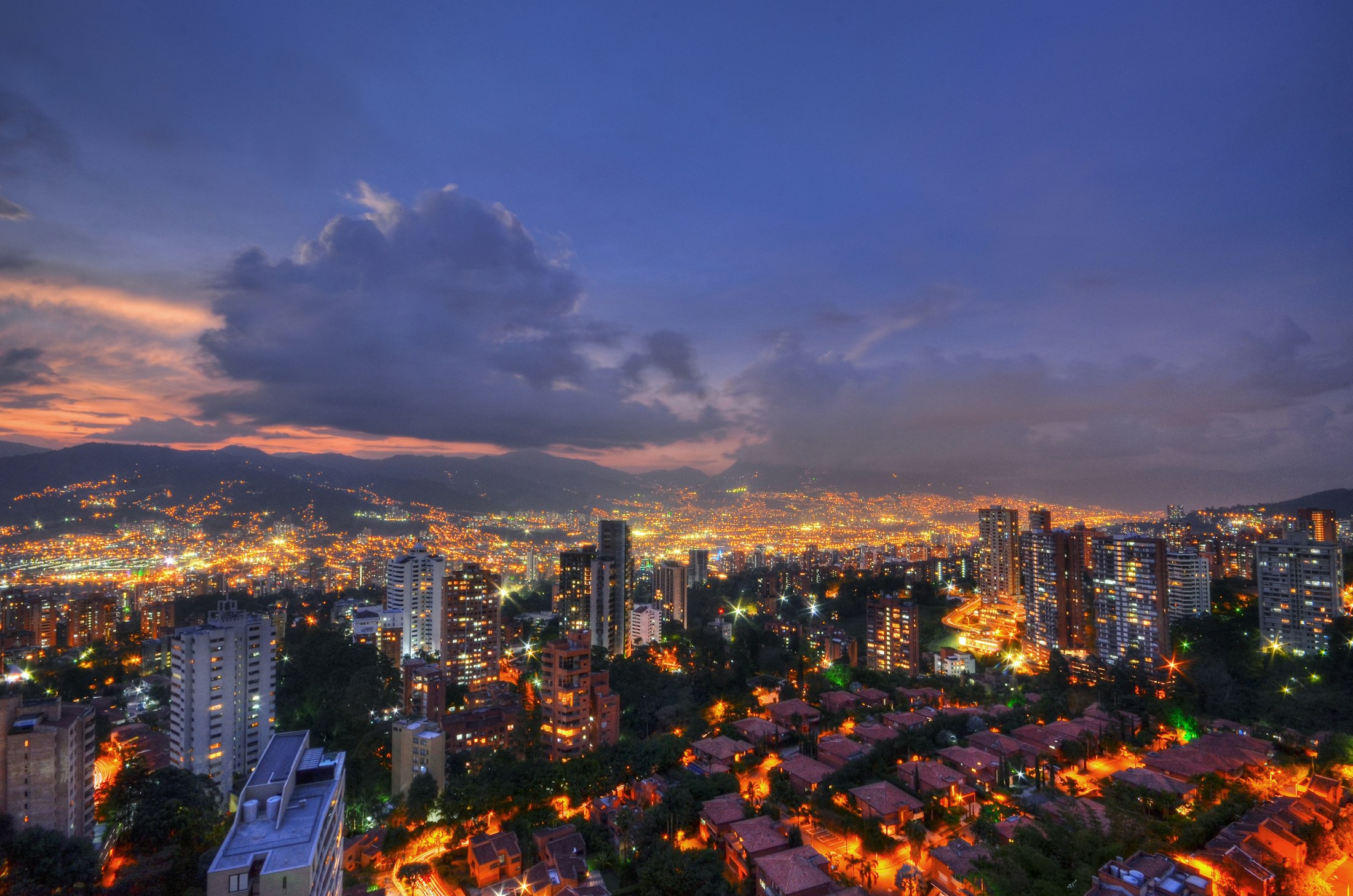
The restaurant's terrace overlooks a flower-filled garden, and on clear May afternoons, you can see Medellín's skyline glinting in the valley below. A full trout plate runs about 28,000 COP; the set lunch (almuerzo ejecutivo) is roughly 15,000 COP and includes soup, a main, juice, and dessert — usually rice pudding or bocadillo with cheese.
Avoid ordering anything that requires long preparation if you're catching a 1:00 p.m. colectivo back to the city. The kitchen is unhurried. Stick with the trout or the almuerzo corriente and you'll be served within twenty minutes. The fresh lulo juice is excellent — order it with minimal sugar to appreciate the fruit's natural tartness.
If you prefer the scenic descent, skip the colectivo and take the Metrocable from Parque Arví's Santo Domingo station back to central Medellín. The aerial gondola ride passes over dense forest canopy and barrio rooftops, offering a visual transition from rural Santa Elena back to the city that consumes its flowers.
Pro tip: The Metrocable from Parque Arví closes at 5:00 p.m. on most days — confirm the schedule at metrodemedellin.gov.co before committing to this route, as closures for maintenance are common in May.
Essential tips
May mornings in Santa Elena average 14°C with frequent mist. Pack a packable rain jacket, wear layers, and bring waterproof footwear — you'll be walking unpaved paths between flower plots for up to two hours.
Carry cash in small denominations (10,000 and 20,000 COP notes). Silletero farms, tiendas, and colectivo buses in Santa Elena do not accept cards or digital payments. The nearest ATM is in Santa Elena's central village.
Mobile signal is spotty on the veredas. Download offline maps of Santa Elena via Google Maps or Maps.me before leaving Medellín, and save your host family's WhatsApp contact for coordination when signal returns.
Basic Spanish is essential — silletero families speak little to no English. Learn key phrases like '¿Puedo ayudar?' (Can I help?) and '¿Cómo se llama esta flor?' (What's this flower called?) to deepen the experience significantly.
Travel light with a small daypack. Large luggage is impractical on colectivos and awkward in farm homes. Bring sunscreen for when the fog clears, a reusable water bottle, and a ziplock bag to protect your phone from rain.
Ready to visit Medellín?
Book your hotel, flights, and activities through our Expedia-powered search.


