In This Guide
- 1.The Market Itself: Navigating Campo Valdés Before Sunrise
- 2.Doña Lucía's Station: The Gold Standard Arepa de Chócolo
- 3.The Arepa de Maíz Pelao: Medellín's Oldest Breakfast, Explained
- 4.Hogao and the Unsung Condiments of the Arepa Station
- 5.The Generational Question: Why These Grandmothers May Be the Last
- 6.What to Eat After: The Caldo de Costilla Circuit Around Aranjuez
- 7.Language, Etiquette, and How to Be a Respectful Visitor at Dawn
At 4:47 a.m., the fluorescent tubes of Campo Valdés market flicker on above women who have been working since three. Their hands, dusted in white corn flour, move with a mechanical grace honed over decades — pressing, patting, flipping arepas on blackened steel planches that hiss like something alive. The smell hits you twenty meters before you reach the entrance: toasted maize, woodsmoke memory, and the sharp sweetness of hogao simmering in dented aluminium pots.
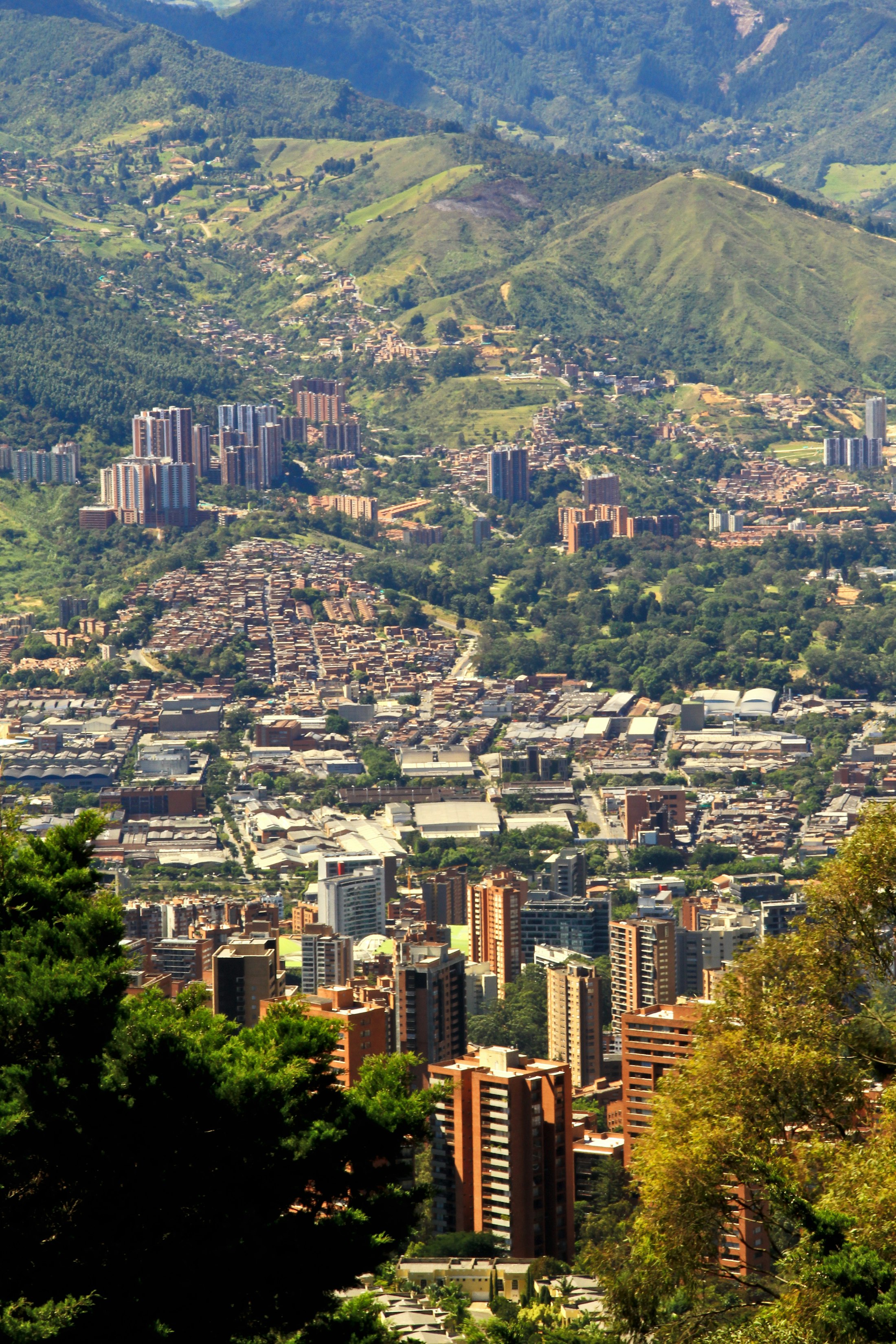
This is not the Medellín of comuna tours and rooftop cocktail bars. Campo Valdés, wedged into the northeast shoulder of the city between the Jardín Botánico and the Cementerio de San Pedro, is one of the last traditional markets where arepa culture survives in its purest, most grandmother-governed form. This guide takes you inside the predawn ritual — who to seek out, what to eat, and why this vanishing corner of paisa food culture deserves your earliest alarm.
1. The Market Itself: Navigating Campo Valdés Before Sunrise
Campo Valdés market sits on Carrera 51 between Calles 58 and 59, in the Aranjuez comuna northeast of the city centre. It is technically a covered municipal market — concrete floor, corrugated roof, no air conditioning — but at dawn it functions more like a theatre. The vendors arrive between 2:30 and 3:00 a.m. Most customers begin filtering in around 5:15.
You enter through the Calle 58 side, where fruit vendors stack towers of lulo and guanábana that gleam under bare bulbs. Walk past the butchers — their stations empty at this hour — and follow the sound of corn dough being slapped. The arepa grandmothers cluster at the market's northeastern corner, a row of six or seven stations separated by nothing but elbow room.
Do not confuse this with the better-known Minorista market downtown. Campo Valdés is smaller, older, and operates on a fundamentally neighbourhood logic. There are no tourist menus, no English signage, and no one trying to sell you a food tour. You are simply another hungry person, which is exactly the point.
Arrive no later than 5:30 a.m. if you want the full experience. By 7:00, the early batch of arepas is gone, the grandmothers begin cleaning their planches, and the market shifts into its daytime produce-and-protein mode. The magic window is narrow. Respect it.
Pro tip: Take the Metro to Estación Universidad and walk east on Calle 58 for eight minutes. A taxi from El Poblado costs roughly 14,000 COP at that hour — agree on the price before departing, as meters are unreliable predawn.
2. Doña Lucía's Station: The Gold Standard Arepa de Chócolo
Doña Lucía — full name Lucía Amparo Gómez, though nobody uses it — has occupied the same one-meter-wide station in the northeast corner of Campo Valdés for thirty-one years. Her specialty is the arepa de chócolo: a sweet corn arepa made with fresh, milky kernels ground on a hand-cranked mill she refuses to replace. She stuffs each one with a thick slab of quesito antioqueño that melts into translucent ribbons.
You will recognise her station by the small wooden Virgin del Carmen propped behind her plancha and the stack of banana leaves she uses for wrapping. She works alone until her granddaughter arrives around 6:00 a.m. Order the chócolo con quesito — 3,500 COP — and nothing else initially. Eat it standing, as everyone does, letting the cheese stretch and snap.
The corn she uses comes from a single farm in Santa Rosa de Osos, delivered weekly by a cousin who drives a white Toyota pickup. Lucía insists this is what separates her arepas from every other vendor's. The kernels are harvested young, almost juvenile, when the sugar content peaks. She grinds them twice, adding no sugar, no salt, no butter.
Avoid asking for your arepa "extra crispy" or any modification. Lucía's process is non-negotiable, and requesting changes will earn you a polite but unmistakable look of disappointment. Trust the method. The exterior caramelises naturally, yielding a crust that shatters into the soft, custardy interior.
Pro tip: Lucía makes exactly forty-five arepas de chócolo per morning. If you arrive after 6:15, there is a real chance she will be sold out. Early arrival is not optional — it is strategy.
Stay in Medellín
Top-rated hotels near Medellín
Best locations · Verified reviews · Free cancellation
View deals
Expedia →3. The Arepa de Maíz Pelao: Medellín's Oldest Breakfast, Explained
Two stations down from Lucía, a woman known only as La Mona makes arepas de maíz pelao — the traditional white corn arepa that predates every trendy variation. The process involves soaking dried corn kernels in an alkaline solution, a technique indigenous communities practiced centuries before the Spanish arrived. The result is a dense, slightly chewy disc with a mineral earthiness no other arepa type achieves.
La Mona's version is unfilled and cooked on a plancha blackened beyond any colour chart. She brushes each arepa with a whisper of mantequilla and serves it on a scrap of wax paper. At 2,000 COP, it is possibly the most honest transaction in Colombian gastronomy. You taste corn, heat, and time — nothing more.
Pair it with a tinto from the adjacent coffee station run by a man everyone calls El Profe, who brews his coffee in a cloth sock filter suspended over a battered pot. His tinto costs 800 COP and tastes like what coffee tasted like before pour-over bars existed. Together, the arepa and tinto form a breakfast that costs less than a dollar and outperforms most hotel spreads.
Do not photograph La Mona without asking first. She has been burned by food bloggers who posted images without context, and she is wary. A simple "¿Le puedo tomar una foto?" accompanied by genuine interest in her process will usually be met with a yes and a longer conversation than you expected.
Pro tip: The maíz pelao arepa is meant to be eaten immediately — within sixty seconds of leaving the plancha. Wrapping it for later defeats the purpose. The texture window is brutally short.
4. Hogao and the Unsung Condiments of the Arepa Station
At Campo Valdés, the arepas are only half the story. The real insider currency is the hogao — a slow-cooked tomato and scallion sauce that each grandmother prepares according to her own unwritten formula. Doña Rosalba, who works the station closest to the Carrera 51 entrance, makes a hogao with a heavy cumin hand and a splash of panela syrup that gives it an almost barbecue-like depth.
You can request hogao as a topping on any standard white arepa for an additional 500 COP. Rosalba ladles it from a pot she keeps at a low simmer throughout the morning, and the flavour deepens as the hours pass. The 6:00 a.m. hogao is good; the 5:15 a.m. hogao, still slightly sharp and bright, is transcendent in a different way.
Beyond hogao, look for suero costeño — a fermented cream condiment that some vendors keep in small plastic tubs beneath their stations. It is not always available at Campo Valdés, as it originates from Colombia's Caribbean coast, but when present, it transforms a plain arepa into something tangy and rich. Ask quietly; it is sometimes reserved for regulars.
Avoid the bottled hot sauces that occasionally appear on station counters. They are commercial additions, not house-made, and they obliterate the subtle corn flavour these women have spent decades perfecting. If you need heat, Rosalba sometimes has a small dish of ají criollo — fresh, herbaceous, and appropriate.
Pro tip: Suero costeño availability is highest on Saturdays, when a coastal vendor delivers a fresh batch to three stations in the market. Ask for it by name — vendors respect the specificity.
5. The Generational Question: Why These Grandmothers May Be the Last
Medellín's rapid modernisation has not been kind to traditional market vendors. Real estate pressure around Campo Valdés has intensified since the Aranjuez comuna became a target for urban renewal projects. Several vendors have already relocated or retired. Lucía's granddaughter, who helps on weekends, studies systems engineering at UdeA and has no plans to inherit the station.
You will notice the age demographics immediately. The youngest arepa maker in the northeast corner is fifty-three. The oldest, Doña Carmen, is seventy-eight and has spoken openly about closing her station by 2026. There is no apprenticeship pipeline, no municipal programme to preserve the craft. What you are witnessing is not a cultural attraction — it is a cultural conclusion.
This context matters because it should change how you engage with the space. You are not consuming a quaint experience. You are eating food made by women whose economic reality is precarious, whose craft is physically demanding, and whose legacy is uncertain. Spend money. Buy extra arepas for the taxi ride home. Tip beyond the price.
Several Medellín-based organisations, including the Fundación Mujeres del Maíz, have begun documenting traditional arepa techniques in the Aburrá Valley. If this subject moves you, their social media channels are worth following. But documentation is not preservation. The only thing that keeps a market station alive is a customer standing in front of it at five in the morning.
Pro tip: If you want to support materially, buy a full dozen arepas (una docena) from any single vendor. The bulk purchase — around 25,000 to 40,000 COP depending on type — represents meaningful morning revenue.
Stay in Medellín
Top-rated hotels near Medellín
Best locations · Verified reviews · Free cancellation
View deals
Expedia →6. What to Eat After: The Caldo de Costilla Circuit Around Aranjuez
By 6:30 a.m., your arepa tour is complete, but Aranjuez's breakfast economy is just warming up. Walk two blocks south on Carrera 51 to a nameless fonda on the corner of Calle 56 — identifiable by its green plastic chairs and a handwritten sign reading "Caldo desde las 5" — for a bowl of caldo de costilla, the rib broth that functions as Medellín's hangover cure, energy drink, and emotional support system.
The broth arrives volcanic, with a single short rib submerged beneath potato chunks and a scattering of cilantro. You eat it with a spoon in one hand and a torn piece of arepa in the other, dunking the bread into the liquid until it softens into something between porridge and salvation. A bowl costs 8,000 COP and will sustain you until well past noon.
For a second stop, continue south to Parque de Aranjuez, where a cluster of juice carts appears around 7:00 a.m. Order a jugo de lulo en agua — not en leche, which is too heavy after broth and arepas. The lulo fruit's sharp citrus acidity cuts through the morning's accumulated richness and resets your palate entirely.
Avoid the empanada vendors near the park until you have given your stomach at least thirty minutes to process the caldo. The temptation is real — their empanadas are excellent — but the layering of fried dough on top of broth on top of corn arepas is a gastric miscalculation you will regret on the Metro home.
Pro tip: The green-chair fonda does not appear on Google Maps. Navigate to the intersection of Carrera 51 and Calle 56, look for the oldest-looking storefront with the most steam pouring from its doorway, and walk in.
7. Language, Etiquette, and How to Be a Respectful Visitor at Dawn
Campo Valdés is not hostile to outsiders, but it is indifferent to them — which is a more useful starting point. No one will guide you, translate for you, or perform warmth for a camera. Basic Spanish is essential. Learn the phrases: "Una arepa con queso, por favor," "¿Cuánto vale?", and "Está deliciosa, señora." That last one, delivered sincerely, opens doors that money cannot.
You should carry cash in small denominations. Bills larger than 20,000 COP are difficult to break at 5:00 a.m. Most stations do not accept Nequi, Daviplata, or any digital payment. This is a coins-and-crumpled-bills economy, and being prepared signals that you understand where you are.
Do not block the stations while deliberating. These women serve a steady stream of neighbourhood regulars — construction workers, taxi drivers, nurses ending night shifts — who know exactly what they want and have three minutes to eat it. Step aside, observe the ordering rhythm, and insert yourself into the flow rather than disrupting it.
Personal safety at this hour is reasonable but not guaranteed. Aranjuez has improved dramatically over the past decade, but predawn streets anywhere in Medellín require common sense. Do not wear visible jewellery, keep your phone in a front pocket, and walk with purpose. The market itself is well-lit and populated; the surrounding blocks less so.
Pro tip:Practise saying "regaleme" instead of "deme" when ordering — it is the paisa way of politely requesting something and immediately marks you as someone who has bothered to learn local speech patterns.
Essential tips
Arrive between 5:00 and 5:30 a.m. for peak arepa availability and the full predawn atmosphere. By 7:00, most grandmother vendors have sold out and begun cleaning. Saturday mornings see the highest variety of condiments and the largest crowds.
Bring at least 30,000 COP in small bills and coins. No station accepts card or digital payment. A complete arepa breakfast with coffee costs 5,000 to 8,000 COP per person. Budget extra for the caldo de costilla circuit afterward.
Take Metro Line A to Estación Universidad, then walk east on Calle 58 for eight minutes. The Metro opens at 4:30 a.m. on weekdays and 5:00 a.m. on Saturdays. Load your Cívica card the night before to avoid ticket queues.
Always ask before photographing vendors or their stations. A genuine compliment about the food earns far more access than a raised camera. If someone declines, respect it immediately — word travels fast in a small market.
Medellín's predawn hours can be cool and damp, especially during the April-May and October-November rainy seasons. Bring a light rain jacket — the walk from the Metro is exposed, and the market roof leaks in places.
Ready to visit Medellín?
Book your hotel, flights, and activities through our Expedia-powered search.


