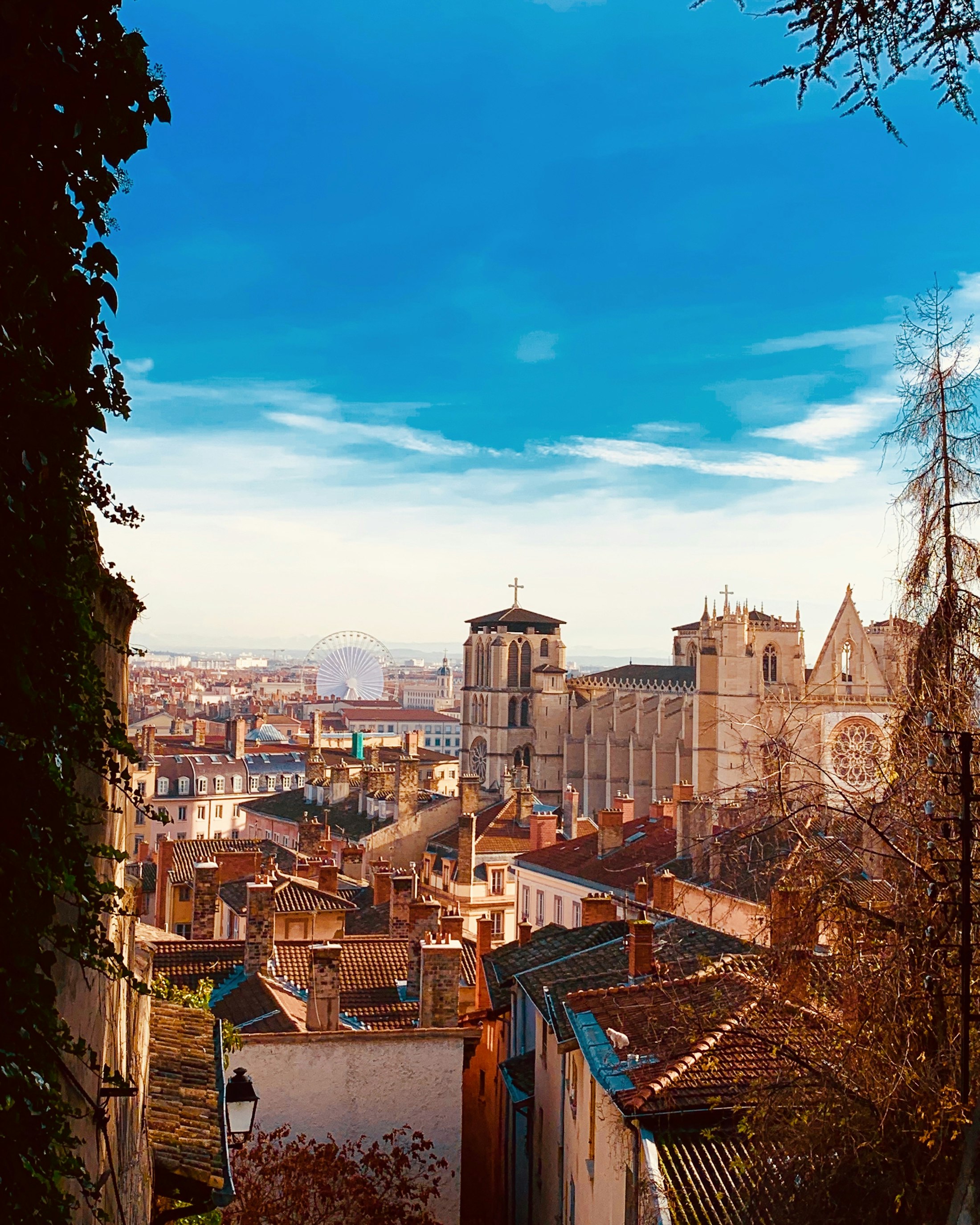
In This Guide
- 1.The Quenelle, Decoded: Why This Dish and Why Now
- 2.Maison Giraudet at Les Halles: The Benchmark Stall
- 3.Chez Sylvain Tétard: The New-Wave Traiteur
- 4.Café Comptoir Abel: The Bouchon That Never Lost the Faith
- 5.The Sauce Nantua Trail: Crayfish Producers of the Dombes
- 6.Daniel et Denise: The Starred Bouchon Interpretation
- 7.The Market Morning Ritual: Building Your Own Quenelle Picnic
On a Tuesday morning in May, the air inside Les Halles de Lyon Paul Bocuse carries a particular perfume — part warm béchamel, part freshly shaved pike, part the quiet confidence of a city that has never needed to shout about its culinary supremacy. At stall after stall, a dish once dismissed as grandmotherly comfort food is receiving meticulous, almost reverential attention from a generation of young chefs and charcutiers who weren't alive when Bocuse earned his third star.
This is the story of Lyon's quenelle revival — a movement that has been quietly building momentum across the Presqu'île and beyond, and which reaches its fragrant peak each May when Loire pike is at its freshest and most delicate. We guide you through the essential stalls, restaurants, and producers leading this resurgence, explain why the timing matters, and offer the insider knowledge you need to eat your way through it with the discernment of a Lyonnais local rather than the bewilderment of a tourist clutching a guidebook.
1. The Quenelle, Decoded: Why This Dish and Why Now
Before you step into Les Halles, you need to understand what separates a transcendent quenelle from the rubbery cafeteria impersonation you may have encountered elsewhere. A proper quenelle de brochet is a panade-bound mousse of freshwater pike, shaped by hand between two spoons, poached until impossibly airy, then gratinéed under a mantle of sauce Nantua — a bisque of freshwater crayfish enriched with cream and brandy.
May is the inflection point. Loire pike caught between late April and mid-June has a clean, mineral sweetness that vanishes by high summer, when warmer water temperatures lend the flesh a muddy undertone. Lyonnais fishmongers at Les Halles time their peak orders accordingly, and the best chefs build their menus around this narrow seasonal window with almost obsessive precision.
The revival is being driven by a cohort of thirty-something chefs and artisan traiteurs who grew up eating their grandmothers' quenelles and now refuse to let the dish calcify into museum-piece nostalgia. They are lightening the panade, sourcing wild pike over farmed, and experimenting with herb-laced Nantua variations — while fiercely respecting the architecture of the original preparation.
You will hear locals refer to the difference between a quenelle "industrielle" and a quenelle "maison." The former is a factory product sold in vacuum packs at Carrefour. The latter is what you are here for. Train your eye: a handmade quenelle is slightly irregular in shape, paler in colour, and trembles visibly on the spoon. That tremor is your quality indicator.
Pro tip:Ask any stall holder for a quenelle 'nature' — uncooked, without sauce — and poach it yourself at your rental apartment. It is the purest test of the mousse quality and costs roughly €3 per piece.
2. Maison Giraudet at Les Halles: The Benchmark Stall
Your pilgrimage begins at Maison Giraudet, the cream-and-navy stall at allée 4 inside Les Halles de Lyon Paul Bocuse on Cours Lafayette. Giraudet has been producing quenelles since 1860 in Bourg-en-Bresse, and their Les Halles outpost functions as both retail counter and informal tasting salon. The pike quenelle here is the gold standard — diaphanous, barely holding its shape, with a sweetness that lingers.
Order the quenelle nature to understand the baseline, then graduate to the gratinéed version with sauce Nantua served at the small counter seats. The crayfish bisque is made with Dombes écrevisses and has a rust-orange colour and a depth that commercial versions cannot approach. Pair it with a glass of Saint-Véran from the neighbouring wine stall.
Giraudet also produces seasonal variants you won't find in their Bourg-en-Bresse shop. In May, look for the quenelle aux herbes du marché, a limited edition incorporating chervil and tarragon sourced that morning from the herb vendors three stalls down. It sells out by 11 a.m. on Saturdays, so arrive when the market opens at 7 a.m.
A practical note: Giraudet ships chilled quenelles in insulated packaging for train journeys of up to five hours. If you are heading to Paris on the TGV, this is a legitimate and well-tested option. Ask the counter staff for the "kit voyage" — they will pack six quenelles with a separate pot of Nantua on ice.
Pro tip:Request the 'dégustation comparée' — Giraudet staff will plate a nature quenelle beside the gratinéed version so you can taste both side by side. It is not on any menu; simply ask politely.
Stay in Lyon
Top-rated hotels near Lyon
Best locations · Verified reviews · Free cancellation
View deals
Expedia →3. Chez Sylvain Tétard: The New-Wave Traiteur
Walk seven minutes south from Les Halles to Rue Mercière in the 2nd arrondissement, and you will find Chez Sylvain Tétard, a compact traiteur shop that has become the darling of Lyon's food-obsessed millennials. Tétard, a former sous-chef at La Mère Brazier, opened in 2021 with a single mission: to make the quenelle exciting to people under forty without betraying its soul.
His signature is the quenelle soufflée — a quenelle baked inside a ramekin so that it puffs dramatically above the rim, its exterior golden and almost crisp while the interior remains cloud-soft. The sauce Nantua here is deliberately lighter than tradition dictates, finished with a thread of Espelette pepper oil that adds warmth without masking the crayfish.
Tétard sources his pike exclusively from a single fisherman on the Saône near Trévoux, roughly thirty kilometres north of Lyon. He will happily tell you the name if you ask. This micro-sourcing means his quenelle has a slightly different flavour profile from Giraudet's — earthier, more vegetal, with a finish that recalls river stones after rain.
Avoid the lunch rush between 12:15 and 13:00, when the queue spills onto the pavement and the kitchen cannot maintain its usual precision. Come at 11:30 or after 13:30 for the best experience. Tétard also offers a three-quenelle tasting plate — nature, soufflée, and his experimental seasonal variant — for €18, which is the single best value proposition in Lyon's quenelle scene.
Pro tip:Tétard runs a 'quenelle masterclass' on the first Saturday of May at 9 a.m. for €45 per person. Book via Instagram DM at least two weeks ahead — it caps at six participants.
4. Café Comptoir Abel: The Bouchon That Never Lost the Faith
While the revival implies rediscovery, some places never stopped caring. Café Comptoir Abel at 25 Rue Guynemer in the 2nd arrondissement has served quenelle de brochet continuously since 1928, making it arguably the oldest unbroken quenelle service in the city. The dining room — dark wood, checked tablecloths, the faint scent of Beaujolais — is essentially unchanged.
Here the quenelle is unapologetically classical: a single generous oval, gratinéed until the Nantua sauce blisters and caramelises at the edges, served in the same oval gratin dish your great-grandmother would recognise. There is no deconstruction, no foam, no microherb garnish. You will not miss any of those things.
Order the quenelle as a main course, preceded by the salade de lentilles vertes du Puy and followed by a tarte praline. Drink the house Côtes du Rhône in a pot lyonnais — the heavy-bottomed 46cl glass bottle unique to Lyon's bouchons. The full meal will cost you roughly €32 without wine and is a masterclass in Lyonnais restraint.
The key insider detail: ask to sit in the back room, beyond the zinc bar. It is quieter, the light is better, and the service is handled by Marie-Claire, who has worked at Abel for nineteen years and dispenses opinions on quenelle doneness with the authority of a Michelin inspector. If she tells you to wait two more minutes before eating, wait.
Pro tip:Book for Tuesday or Wednesday lunch — Abel's quietest services. The kitchen runs with less pressure, and the quenelles are, according to regulars, subtly more consistent on these days.
5. The Sauce Nantua Trail: Crayfish Producers of the Dombes
No quenelle discussion is complete without addressing the sauce, and no sauce Nantua is better than its crayfish. Drive forty minutes northeast of Lyon into the Dombes plateau — a landscape of shallow étangs and poplar-lined lanes — and you enter the heartland of French freshwater crayfish production. The village of Villars-les-Dombes is your anchor point.
Visit Pisciculture de la Dombes on the D904, a third-generation étang farm that supplies crayfish to both Giraudet and several Michelin-starred kitchens. In May, they run informal guided walks along the étangs where you can observe the crayfish traps and, if the owner Thierry is in good spirits, taste a raw crayfish tail pulled straight from the water.
The terroir argument for Dombes crayfish is genuinely compelling. The shallow, mineral-rich ponds produce écrevisses à pattes rouges — red-clawed crayfish — with an intensity of flavour that Louisiana imports simply cannot replicate. This is the species that defines sauce Nantua, and tasting one at source will permanently recalibrate your understanding of the dish.
On your return to Lyon, stop at the Fromagerie des Dombes in Châtillon-sur-Chalaronne, a strikingly pretty medieval town. Pick up a round of Comté aged eighteen months — it is the traditional Lyonnais pairing with quenelle leftovers, eaten cold the next morning with a smear of Dijon mustard and coarse bread.
Pro tip: Thierry at Pisciculture de la Dombes does not take reservations online. Call the landline (listed on Pages Jaunes) on Monday mornings between 8 and 9 a.m. to arrange a visit for that week.
Stay in Lyon
Top-rated hotels near Lyon
Best locations · Verified reviews · Free cancellation
View deals
Expedia →6. Daniel et Denise: The Starred Bouchon Interpretation
For the most polished quenelle in the city, reserve a table at Daniel et Denise, the Michelin-starred bouchon run by chef Joseph Viola at 156 Rue de Créqui in the 3rd arrondissement. Viola is a Meilleur Ouvrier de France — the blue-white-red collar on his chef's jacket is not decorative — and his quenelle de brochet is the closest thing Lyon has to a definitive statement on the dish.
Viola's quenelle is larger than most, shaped with a confident swagger, and the ratio of mousse to panade is tilted decisively toward the pike. This means it is more fragile, more likely to collapse under clumsy handling, and exponentially more flavourful. The sauce Nantua is dense, almost bisque-like, with visible flecks of crayfish coral suspended in the cream.
Pair it with the Condrieu recommended by the sommelier — the apricot and white-flower notes of Viognier cut through the richness of the Nantua without overwhelming the delicate pike. Avoid ordering red wine with this dish; it is a common tourist error that the staff are too polite to correct but that will flatten the nuances.
The prix fixe lunch menu (around €35) includes the quenelle as a main course option and is significantly cheaper than ordering à la carte at dinner. Service is formal but not stiff, and the dining room retains the convivial warmth of a genuine bouchon despite the star. Book at least five days ahead for a May weekend.
Pro tip: Ask for a half-portion quenelle as a starter if you want to try other dishes. It is not listed but Viola accommodates the request gracefully, and it allows you to also order the tablier de sapeur.
7. The Market Morning Ritual: Building Your Own Quenelle Picnic
Dedicate one morning to assembling a quenelle picnic entirely from Les Halles vendors. Begin at Maison Giraudet for two uncooked quenelles nature, then move to Fromagerie Mons for a wedge of aged Beaufort and a pot of fromage blanc. At Charcuterie Bobosse — the beloved pork stall on allée 6 — pick up sliced rosette de Lyon and a handful of cornichons.
For bread, exit Les Halles and walk two blocks east to Boulangerie Jocteur on Rue de Bonnel. Their pain de campagne has the dense, slightly sour crumb that Lyonnais families have used as a quenelle vehicle for generations. Buy a full loaf — you will finish it.
Collect a bottle of Mâcon-Villages from the Cave Chrétien stall back inside Les Halles. The 2022 Domaine Barraud is particularly good — clean, citric, and priced at €12, it is engineered for exactly this kind of meal. Ask the owner Henri for a corkscrew; he keeps several behind the counter and will open the bottle with ceremonial pleasure.
Take everything to the Parc de la Tête d'Or, Lyon's magnificent 117-hectare park twenty minutes north on foot. Find a bench near the lake, poach the quenelles at your accommodation that evening if you prefer them warm, or eat them cold with a squeeze of lemon — a preparation called quenelle en salade that locals quietly prefer in warm weather.
Pro tip: Bring a small Tupperware container and a cold pack in your daypack. Les Halles vendors expect this level of preparedness from serious food buyers and will pack items more carefully if they see you are equipped.
Essential tips
Les Halles de Lyon opens Tuesday through Sunday, 7 a.m. to 10:30 p.m., but the best stalls begin closing their counters by 1 p.m. on weekdays. Saturday morning between 8 and 10 a.m. is peak atmosphere but also peak crowds.
Take Métro Line B to Place Guichard-Bourse du Travail — it is a two-minute walk to Les Halles. Avoid driving; parking near Cours Lafayette on Saturday mornings is genuinely hopeless and will cost you precious eating time.
When pairing wine with quenelle, stay within the Rhône-Alps corridor: white Condrieu, Saint-Véran, or Mâcon-Villages. Avoid Sauvignon Blanc — its acidity clashes with the richness of sauce Nantua and creates an unpleasant metallic note.
Budget roughly €45-60 per person per day for serious quenelle eating across market stalls and restaurants. Most Les Halles stalls accept cards, but carry €20 in coins and small notes for the smaller producers at the Dombes étangs.
Download the app 'Les Halles de Lyon' for a live stall map and opening hours. Several vendors update their daily specials on the app by 7:30 a.m. — check it over coffee before you leave your hotel to plan your route efficiently.
Ready to visit Lyon?
Book your hotel, flights, and activities through our Expedia-powered search.

