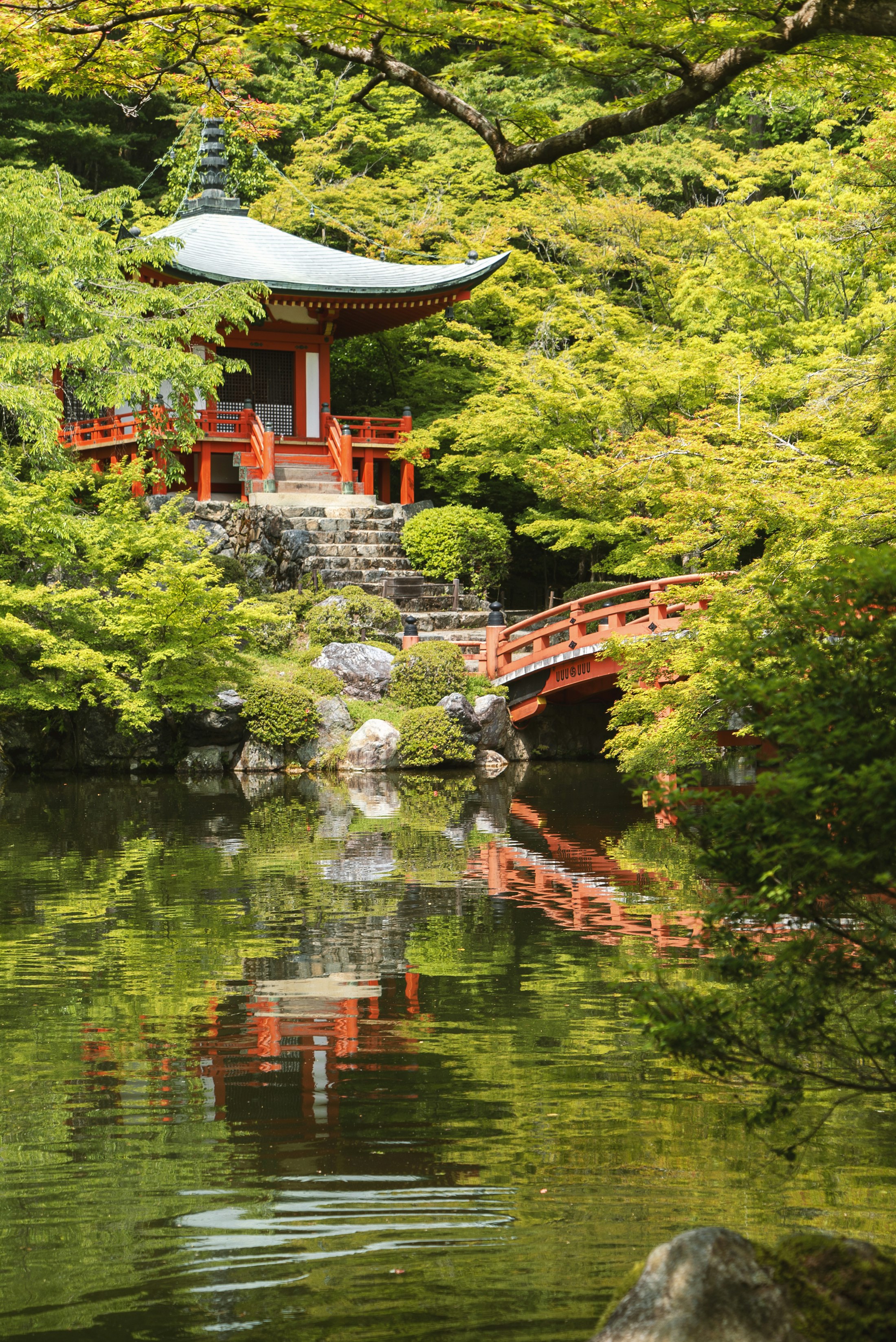
In This Guide
- 1.Picking at Dawn: Obubu Tea Farms in Wazuka
- 2.Nakamura Tokichi Honten: Tasting Shincha in Its Birthplace
- 3.Tsuen Tea: The World's Oldest Teahouse, Reinvented Each May
- 4.Taihoan Tea Ceremony Room: Shincha as Ritual
- 5.Shincha Kaiseki at Hanakajika: A Full Meal Built on First Flush
- 6.Marukyu Koyamaen: Inside a Matcha Producer's Shincha Release
- 7.Byodoin Temple at Golden Hour: The Spiritual Frame for Tea Country
The air above Uji hangs sweet and vegetal in early May, carrying the unmistakable scent of leaves being steamed and rolled in workshops that have operated since the Kamakura period. This is shincha season — the anxiously awaited first flush of Japanese green tea — and in this small city straddling the Uji River just south of Kyoto, the harvest transforms quiet streets into a pilgrimage site for tea obsessives, chefs, and anyone who understands that seasonality in Japan is not a philosophy you market but one you taste.
This guide traces a deliberate path through Uji's shincha culture during the fleeting weeks of May, from predawn field visits and centuries-old tea merchants to kaiseki courses designed around the new harvest. You will learn where to taste shincha at its most transcendent, which producers welcome visitors for hands-on picking, and how to distinguish genuine first-flush quality from tourist-grade powder. This is your field manual.
1. Picking at Dawn: Obubu Tea Farms in Wazuka
Thirty minutes east of central Uji, the village of Wazuka produces roughly half of all Uji-branded tea. Obubu Tea Farms, located along Wazuka's steeply terraced hillsides on Yubune, opens its fields to visitors during May's first and second picking weeks. You arrive at seven, mist still clinging to rows of yabukita cultivar bushes, and a farmer hands you a woven basket.
The technique is deceptively simple: pinch the bud and two youngest leaves — the ichiban-cha — and drop them into your basket. After forty-five minutes your fingers are stained and fragrant. The farm's staff then walk you through steaming, rolling, and drying in their adjacent processing shed, explaining why shincha must be processed within hours of picking to preserve its characteristic amino acid sweetness.
Obubu operates on a reservation-only basis for May visits. Book through their English-language website at least three weeks ahead, selecting the "Shincha Picking Experience" option. The full session runs approximately three hours and costs ¥5,500 per person, including a tasting of the previous year's reserve and a small bag of leaves you picked yourself.
Avoid visiting on weekends if possible; weekday mornings draw fewer visitors and allow more direct interaction with the processing team. The farmers here are unusually candid about the economics of Japanese tea and will explain why Wazuka's aging population makes every harvest feel quietly urgent.
Pro tip: Request the optional tencha field visit — Obubu grows shade-covered tencha (the raw material for matcha) on a separate plot, and seeing the black netting canopies in person makes you understand matcha pricing forever.
2. Nakamura Tokichi Honten: Tasting Shincha in Its Birthplace
Back in central Uji, Nakamura Tokichi Honten sits on Uji-Bashi Dori, directly south of the iconic bridge, in a preserved Meiji-era wooden building that has served as the company's headquarters since 1854. During May, their tearoom offers a limited seasonal shincha tasting set unavailable the rest of the year. You want the "Shincha Sanmai" — three cultivars served side by side in small hohin pots at precisely controlled temperatures.
The first cup, brewed at a low fifty degrees Celsius, delivers a brothy umami intensity that bears no resemblance to the green tea most Westerners know. Your server explains each cultivar's provenance: typically a yabukita, a samidori, and a gokou, each sourced from different Uji-area farms. The differences are startling — grassy versus marine versus distinctly floral.
Do not skip the accompanying wagashi, which in May is a seasonal namagashi shaped like a young tea leaf and made with shincha-infused white bean paste. The confection is produced in-house each morning and sells out by early afternoon. Arrive before eleven to guarantee availability.
The main retail counter at the front of the building sells Nakamura Tokichi's shincha in 100-gram packages, priced between ¥1,600 and ¥5,400 depending on grade. Ask the staff for the "tejumi" hand-rolled option — it is not displayed but is available upon request in limited quantities during May's first two weeks.
Pro tip: Sit in the rear tatami room overlooking the Uji River rather than the front café area. Same menu, dramatically better atmosphere, and the sound of the river weir adds a meditative quality to your tasting.

Stay in Kyoto
Top-rated hotels near Kyoto
Best locations · Verified reviews · Free cancellation
View deals
Expedia →3. Tsuen Tea: The World's Oldest Teahouse, Reinvented Each May
Tsuen Tea, at the eastern foot of Uji Bridge on Uji-Higashi, holds a Guinness record as the oldest continuously operating teahouse in the world, established in 1160. The building's current iteration is modest — almost easy to walk past — but during shincha season it becomes essential. Their limited-run first-flush sencha, sold only over the counter in late April through mid-May, is among the most affordable high-quality shincha in the region.
Order the shincha and hojicha comparison set at the small counter inside. The contrast between the bright, almost sweet new-harvest sencha and the roasted depth of their hojicha — made from the previous autumn's bancha — illustrates why the Japanese tea calendar exists. Your palate recalibrates in two sips.
The twenty-fourth generation owner, Tsuen Masahiro, occasionally appears behind the counter on weekday mornings and will discuss the family's improbable continuity with disarming humility. He speaks limited English but communicates volumes through the care with which he prepares each cup.
Budget ¥800 to ¥1,200 for a counter tasting. If you want to bring shincha home, their 50-gram "Hatsumukashi" package at ¥1,080 is the best value-to-quality ratio in Uji — serious tea in unpretentious packaging, exactly as this family has operated for over eight centuries.
Pro tip:Tsuen's hojicha soft-serve, available from the takeaway window, uses roasted stems rather than leaves, producing a toasty, almost caramel flavor that pairs unexpectedly well with the lingering sweetness of your shincha tasting.
4. Taihoan Tea Ceremony Room: Shincha as Ritual
Taihoan, operated by the Uji city government, sits inside a traditional tea pavilion on the small island of Tachibana-no-Kojima in the middle of the Uji River, accessed via a short pedestrian bridge near the Tale of Genji Museum. During May, the resident tea masters swap their usual matcha for a shincha-focused simplified temae ceremony that lasts roughly twenty-five minutes and costs just ¥500.
You kneel on tatami above the rushing river, cormorant fishing boats sometimes visible through the shoji screens, while a practitioner whisks or pours with quiet precision. In May, they use a hohin — a handleless pot specifically designed for gyokuro and premium sencha — rather than a chasen and chawan, making this a rare chance to experience the less-publicized leaf-tea ceremony tradition.
No reservation is needed; simply arrive during operating hours of ten to four. The last seating is at three-thirty. Weekday visits between one and three tend to be tranquil, sometimes with only two or three guests sharing the room.
After your ceremony, walk the island's perimeter path. In early May, the wisteria along the riverbank is often still in bloom, and the view upstream toward the red-painted Asagiri Bridge has been considered one of Uji's finest since the Heian period. The final chapters of The Tale of Genji are set here — you are walking through eleventh-century literature.
Pro tip: Ask the tea master to show you the difference between the first and second infusion from the same leaves. The flavor shift from concentrated umami to lighter sweetness demonstrates why Japanese tea culture prizes multiple steepings.
5. Shincha Kaiseki at Hanakajika: A Full Meal Built on First Flush
Each May, the intimate kaiseki restaurant Hanakajika in Kyoto's Higashiyama district — on a narrow lane east of Kenninji Temple near Gion — constructs a multi-course lunch around shincha as both ingredient and pairing. Chef-owner Kajikawa sources directly from a single Uji producer whose name changes annually, depending on which farm's first flush he judges superior that season. The meal runs ¥14,000 per person for eight courses.
Expect shincha in places that surprise you. A recent May menu opened with tai sashimi draped over shincha-soaked rice, followed by a dashi course where the stock was cut with cold-brewed first-flush sencha. The combination of kombu umami and tea amino acids created a depth that neither element achieves alone.
Reservation is mandatory and possible only by phone — the restaurant has no website and no English menu. Your hotel concierge or a Japanese-speaking friend will need to call. Lunch seatings are at noon and one-thirty; the room seats only twelve. Specify the "shincha kaiseki" when booking, as a standard kaiseki menu also runs concurrently.
The final course is always the same: a bowl of that year's shincha, brewed tableside by the chef himself, served with a single piece of dark wasanbon sugar. The simplest moment in the meal. You taste the entire harvest compressed into one quiet cup.
Pro tip:If the phone reservation barrier feels too high, visit Kyoto's tourist information center at Kyoto Station — the multilingual staff there frequently assist with restaurant bookings and know Hanakajika by name.
Stay in Kyoto
Top-rated hotels near Kyoto
Best locations · Verified reviews · Free cancellation
View deals
Expedia →6. Marukyu Koyamaen: Inside a Matcha Producer's Shincha Release
Marukyu Koyamaen, headquartered on Ogura in southern Uji, has supplied matcha to Kyoto's major tea ceremony schools since 1704. While famous for ceremonial-grade matcha, their sencha and gyokuro shincha releases in early May are connoisseur-grade and available at their Uji retail shop before appearing anywhere else. The shop sits adjacent to their stone-milled processing facility on Kokura-cho — follow the scent of roasting leaves from the Keihan Uji line station.
The retail staff will offer a complimentary tasting of one or two shincha grades if the shop is not crowded. Ask specifically for their "Homare no Mukashi" grade shincha — it occupies a middle price point around ¥2,700 per 100 grams but drinks well above its weight, with a long, buttery finish that lingers for minutes.
Koyamaen also operates a refined café next door, where you can order a shincha and wagashi pairing set for ¥1,100. The café uses ceramic ware commissioned from Asahi-yaki, a Uji pottery tradition dating to the early Edo period. The pale celadon cups are designed to showcase the vivid green liquor of high-grade sencha.
Before you leave, peek through the glass window into the stone-mill room. The granite mills turn with glacial slowness — one rotation every five seconds — grinding tencha into matcha so fine it dissolves on your tongue. This is not a performance; this is daily production.
Pro tip:Koyamaen's retail bags are vacuum-sealed and nitrogen-flushed, meaning shincha purchased here travels exceptionally well. Buy an extra bag to open at home three weeks later — the flavor holds beautifully if kept refrigerated and unopened.
7. Byodoin Temple at Golden Hour: The Spiritual Frame for Tea Country
Byodoin, the UNESCO-listed Pure Land Buddhist temple whose Phoenix Hall appears on the ten-yen coin, sits a ten-minute walk south of Uji Bridge along the tree-lined Byodoin Omotesando shopping street. The temple grounds reopen after four-thirty to a fraction of the midday crowds. In May's elongating evenings, the hall's reflection in the lotus pond sharpens as tourist buses depart.
The connection to tea is not merely geographic. Byodoin's surrounding estates were among the first to cultivate tea in the Kamakura period, following seeds brought from China by the monk Eisai. Walking the grounds, you are standing on soil where Japanese tea culture began — useful context after a day spent tasting its modern expression.
Visit the Hoshokan museum inside the complex to see the original phoenix roof ornaments and the Amida Buddha's delicate wooden canopy. Then exit through the south gate and turn left onto the Omotesando, where a dozen small tea shops offer final tasting opportunities. Ito Kyuemon, halfway down the street, sells an excellent shincha soft-serve that manages restraint where most tea desserts trend saccharine.
Admission is ¥700. The interior of Phoenix Hall requires a separate timed ticket at ¥300, distributed on a first-come basis. If the line exceeds thirty minutes, skip it — the exterior reflection view at dusk, framed by May's fresh foliage, is the superior experience and costs nothing beyond your patience.
Pro tip: Photograph Phoenix Hall from the south side of the pond around five-fifteen in May — the sun drops behind the hall, backlighting the bronze phoenixes and casting the building in silhouette against an amber sky.
Essential tips
Take the Keihan Line from Kyoto's Demachiyanagi Station to Uji Station — it runs every fifteen minutes, costs ¥320, and deposits you within a three-minute walk of both Tsuen Tea and Nakamura Tokichi. Avoid the slower JR Nara Line unless you are coming from Kyoto Station directly.
Shincha must be brewed at lower temperatures than standard sencha — between 50°C and 60°C. If you purchase leaves to take home, request a brewing guide card at the shop. Using boiling water on first-flush tea destroys its amino acid sweetness and produces bitter astringency.
The shincha window in Uji typically runs from late April through the third week of May. The first and second weeks of May offer the widest selection and freshest availability. By June, most shops have transitioned to standard sencha inventory and the harvest energy dissipates.
Japanese customs allows you to carry up to 500 grams of tea per person without declaration. Vacuum-sealed packages from reputable shops like Koyamaen and Nakamura Tokichi pass through airport security without issue. Store purchased tea in your carry-on to avoid temperature fluctuations in the cargo hold.
May in Kyoto averages eight rainy days. Uji's covered Omotesando shopping street and indoor tearooms mean rain barely affects the itinerary. Carry a compact umbrella for farm visits and temple walks, but do not rearrange plans around forecasts — overcast skies actually keep tea fields cooler and improve picking conditions.
Ready to visit Kyoto?
Book your hotel, flights, and activities through our Expedia-powered search.


