In This Guide
- 1.The Giardino dell'Iris: Florence's Best-Kept April Secret
- 2.Via Maggio and the Morning Studio Crawl
- 3.Lunch at Trattoria Sabatino: No Menu, No Nonsense
- 4.Santa Maria del Carmine and the Brancacci Chapel Without the Queue
- 5.Officina Profumo-Farmaceutica di Santa Maria Novella's Oltrarno Outpost
- 6.Aperitivo Hour in San Frediano: The Neighbourhood's Living Room
- 7.Dawn on Ponte Vecchio and the Vasari Corridor's Exterior
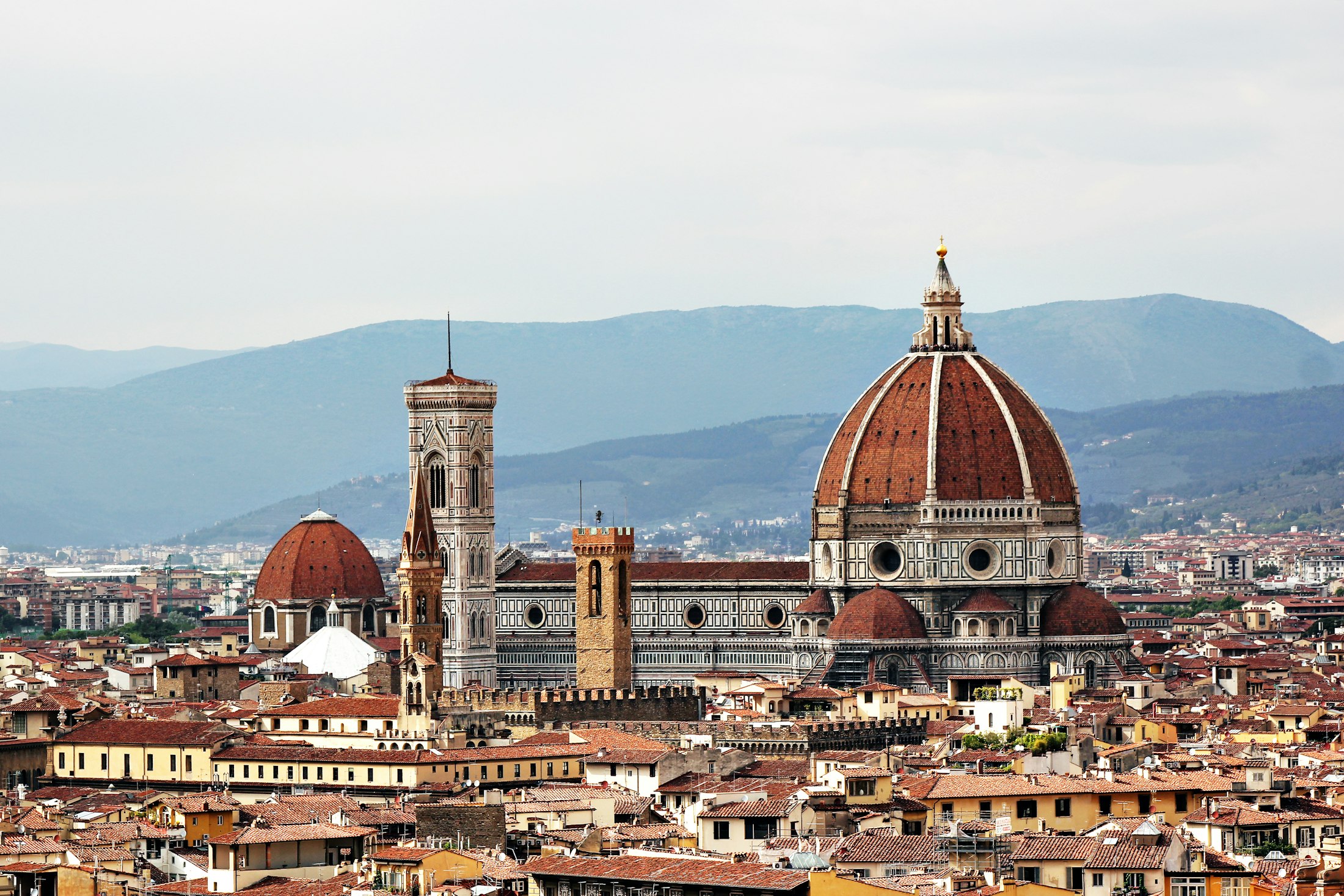
The April light in Oltrarno arrives differently than on Florence's museum-crowded right bank — it slants lower through artisan doorways, catches the dust of gold leaf in restoration studios, and warms the limestone facades along Via Maggio while most tourists are still queuing for the Uffizi. This is when the Giardino dell'Iris opens its terraced hillside below Piazzale Michelangelo, and Florence's historic left bank neighbourhood shakes off winter with a quiet, purposeful energy that has nothing to do with selfie sticks.
This guide maps a walking route through Oltrarno during its most luminous month, when iris blooms coincide with open-studio season and trattorias shift to spring menus built around artichokes, fresh pecorino, and fava beans. You will meet bookbinders, bronze casters, and a fifth-generation perfumer, eat at counters where English menus do not exist, and discover why serious Italophiles consider this neighbourhood — not the Duomo quarter — the authentic heartbeat of Florence.
1. The Giardino dell'Iris: Florence's Best-Kept April Secret
The Iris Garden opens only from late April to late May, and most visitors walk right past its modest entrance on Viale dei Colli, just below Piazzale Michelangelo. Admission is free. Inside, over 1,500 iris varieties cascade down a terraced hillside facing the Duomo — a view that rivals any in the city, without a single crowd-control barrier in sight.
The garden exists because the iris, or giaggiolo, is Florence's civic symbol, featured on the city's coat of arms since the Middle Ages. Each year an international competition awards prizes to new hybrid cultivars, and in late April you will find breeders from Japan, Oregon, and Provence tending their entries alongside Italian horticulturists. The air smells faintly of grape soda and violets.
Arrive before 10 a.m. on a weekday and you may have the entire garden to yourself. Bring a sketchbook or a macro lens — the labelling system identifies each cultivar by name and country of origin, making it a photographer's paradise. The neighbouring Giardino delle Rose, open year-round, connects via a short path and adds David Rodez sculptures among its blooms.
Avoid weekends after 11 a.m., when local families picnic on the upper terraces and the narrow paths become congested. Instead, pair your morning visit with a coffee at Le Volpi e l'Uva, a wine bar tucked behind Ponte Vecchio on Piazza dei Rossi, which opens early and pours espresso alongside its legendary cheese plates.
Pro tip:Download the Giardino dell'Iris map from the Società Italiana dell'Iris website before visiting — the garden has no printed guides on-site, and the terraces are steep enough that planning your route downhill saves your knees and your time.
2. Via Maggio and the Morning Studio Crawl
Via Maggio is Oltrarno's spine — a broad, palazzo-lined street that runs from Ponte Santa Trinita toward Piazza dei Pitti. In April, its antique dealers and restorers prop their doors open, and you can watch conservators regilding baroque frames or patching seventeenth-century canvases in real time. No appointment needed; just pause at the threshold and nod.
Start at Giovanni Baccani's frame workshop at Via Maggio 52r, where the family has been carving and gilding since 1903. Giovanni works in full view of the street, and if you ask about the difference between water gilding and oil gilding, he will happily demonstrate both. His smaller frames — sold as finished pieces — start around €80 and make far more interesting souvenirs than leather goods.
Two doors down, Ivo Trotta's restoration studio handles commissions from the Pitti Palace itself. The smell of rabbit-skin glue and turpentine is unmistakable. Trotta rarely speaks English, but his apprentice Lucia does, and she can explain the months-long process of relining a Renaissance panel painting. You are watching living heritage, not a museum display.
Cross to the odd-numbered side for Bottega Artigiana del Libro at Via Maggio 31r, a paper-marbling and bookbinding studio where you can commission a custom journal in Florentine paste papers. Production takes three days; they will ship internationally. Order the hand-sewn Coptic binding — it lies flat when open, which writers and sketchers prefer.
Pro tip: Most Via Maggio studios close between 1 p.m. and 3:30 p.m. for lunch. Plan your crawl for 9:30 a.m. to 12:30 p.m. to catch artisans at their most communicative — and their most caffeinated.
Stay in Florence
Top-rated hotels near Florence
Best locations · Verified reviews · Free cancellation
View deals
Expedia →3. Lunch at Trattoria Sabatino: No Menu, No Nonsense
Trattoria Sabatino on Via Pisana 2r, a ten-minute walk past Porta San Frediano, has served workers' lunches since 1956. The room has fluorescent lights, paper tablecloths, and a handwritten board listing four or five primi and secondi that change daily. In April, expect ribollita made with spring cavolo nero, pasta e ceci, and sometimes a bracingly simple penne al pomodoro.
You do not order courses here — you order a primo, a secondo with contorno, a quarter-litre of house red, and bread. The total rarely exceeds €14. The bollito misto, when available, is the sleeper hit: a plate of slow-boiled beef and vegetables with salsa verde so vivid it looks radioactive. Locals finish with a cantucci dipped directly into their remaining wine.
Sabatino fills fast at 12:15 p.m. with construction workers, retirees, and the occasional painter still flecked with pigment from a morning in the studio. By 12:45, you will wait. There is no reservation system. Arrive at noon, take a seat at a communal table, and accept whatever your neighbour recommends.
Do not ask for parmesan on your ribollita — the kitchen already finishes it with a thread of new-harvest olive oil and a grind of pepper, and the flavour needs nothing else. If you must have cheese, order a wedge of the fresh pecorino marzolino that appears on the board in April, drizzled with chestnut honey.
Pro tip: Sabatino is cash-only and does not have a website or social media presence. If the door is open and the lights are on, they are serving. If the door is shut, come back tomorrow.
4. Santa Maria del Carmine and the Brancacci Chapel Without the Queue
Everyone visiting Florence should see Masaccio's frescoes in the Brancacci Chapel inside Santa Maria del Carmine on Piazza del Carmine. In April, before the summer surge, you can often walk in without the mandatory advance reservation that July and August require. The chapel limits visitors to fifteen at a time for fifteen-minute slots, creating a rare intimacy with paintings that changed the course of Western art.
Stand in front of 'The Expulsion from the Garden of Eden' and watch how Masaccio renders Adam and Eve's shame through their bodies, not their faces. Then compare it to Masolino's 'Temptation' on the opposite wall — decorative, elegant, and utterly static by contrast. The difference between the two panels is essentially the difference between the medieval and the modern.
The church's main nave, rebuilt after a 1771 fire, is underappreciated. The Corsini Chapel contains a baroque ceiling by Luca Giordano that would headline any other city's art itinerary. You can linger here as long as you want, and the cool, incense-scented interior offers a welcome break from April's midday warmth.
Afterward, cross the piazza to Caffè Ricchi for a macchiato at one of the outdoor tables shaded by plane trees. The piazza is car-free and feels almost village-like in the afternoon. On Thursday mornings, a small market sells vegetables, cheese, and cut flowers along its southern edge.
Pro tip: Visit the Brancacci Chapel between 1 p.m. and 2 p.m. on weekdays — most tour groups schedule morning or late-afternoon slots. Buy your €10 ticket at the entrance or reserve online at museicivicifiorentini.comune.fi.it.
5. Officina Profumo-Farmaceutica di Santa Maria Novella's Oltrarno Outpost
While the famed pharmacy's main location near Santa Maria Novella church draws long lines, its quieter Oltrarno presence at Via della Scala is often overlooked. But for a more intimate perfumery experience, visit Aquaflor at Borgo Santa Croce 6 — or better yet, book a bespoke fragrance session at Lorenzo Villoresi's atelier on Via de' Bardi 14, directly on the Oltrarno riverbank.
Villoresi, who won the Prix François Coty in 2006, works from a thirteenth-century tower house where his private collection of raw essences lines the walls in apothecary jars. A ninety-minute consultation, during which he builds a custom fragrance around your preferences and skin chemistry, costs approximately €250 and includes a 100ml bottle. Reserve at least two weeks ahead via his website.
The orris root — extracted from the rhizome of Iris pallida, which grows on the hillsides around Florence — is central to Villoresi's palette. In April, he often has freshly harvested roots drying in his studio, and you can smell the raw material before it undergoes the three-year aging process required to produce orris butter, one of perfumery's most expensive ingredients.
If a private session exceeds your budget, Villoresi's ground-floor boutique sells full-range fragrances, room scents, and scented papers without appointment. The Teint de Neige eau de toilette — powdery, heliotrope-heavy, unmistakably Florentine — is the house bestseller and costs €110 for 100ml.
Pro tip:Ask Villoresi's staff about the orris-root connection to the Florentine iris symbol — they will often pull out raw roots and aged samples to demonstrate the three-year transformation. It is a free, unforgettable education.
Stay in Florence
Top-rated hotels near Florence
Best locations · Verified reviews · Free cancellation
View deals
Expedia →6. Aperitivo Hour in San Frediano: The Neighbourhood's Living Room
The stretch of Borgo San Frediano between Piazza di Cestello and Porta San Frediano is Oltrarno's most unvarnished evening scene. From about 6:30 p.m., workshop shutters come down and bar stools come out. Start at Il Santino, the wine bar offshoot of Il Santo Bevitore at Via di Santo Spirito 60r, where the tagliere of Tuscan salumi and a glass of Morellino di Scansano costs under €15.
Then walk five minutes to Mad Souls & Spirits at Borgo San Frediano 36r, a cocktail bar run by two former London bartenders. Their Negroni Oltrarno uses an iris-root-infused gin made in collaboration with a local distillery — appropriate for the season and available only in April and May. The bar is small; grab a seat at the copper counter.
For a less curated experience, join the standing crowd outside Volume at Piazza Santo Spirito 5r, a bookshop-café where the aperitivo buffet is generous and the piazza's church facade provides the backdrop. The square can get rowdy on Friday nights — if you prefer calm, come on a Tuesday or Wednesday.
Dinner should follow at Il Santo Bevitore itself, next door to Il Santino at Via di Santo Spirito 64r. Book for 8:30 p.m. The spring menu typically features carciofi alla giudia, raw fava beans with young pecorino, and a tagliata of Chianina beef that justifies every euro of its €24 price. End with their olive oil cake.
Pro tip: Il Santo Bevitore does not accept walk-ins after 7:30 p.m. in April. Reserve via their website or call +39 055 211264 the morning of your visit — same-day lunch reservations are easier to secure.
7. Dawn on Ponte Vecchio and the Vasari Corridor's Exterior
Wake early on at least one morning and cross Ponte Vecchio before 7 a.m. The jewellers' shutters are locked, the selfie-stick vendors are absent, and the Arno in April catches a pale gold light that disappears entirely by 9. Stand at the bridge's midpoint and look upriver toward Ponte Santa Trinita — this is the view Shelley described, and it has barely changed.
Look up: the enclosed passageway above the shops is the Vasari Corridor, Giorgio Vasari's 1565 private walkway connecting the Uffizi to Palazzo Pitti. After years of closure, sections have reopened for guided visits. Even from outside, the corridor's small round windows and its dramatic passage over the bridge's roofline reveal how the Medici experienced Florence — above and apart from the city's chaos.
From the bridge, descend to the Lungarno Torrigiani on the Oltrarno side and walk east along the river. The embankment path passes beneath overhanging wisteria in April and leads to the Demidoff fish statue and eventually to the Biblioteca Nazionale. Few tourists take this walk, and the combination of river light, stone walls, and silence is restorative.
Return via Borgo San Jacopo, a narrow street running parallel to the Arno, where the medieval tower houses have ground-floor restaurants that serve excellent breakfast. Osteria dell'Enoteca at Borgo San Jacopo 41r opens at 8 a.m. with fresh cornetti and a proper stovetop moka-brewed coffee.
Pro tip:The Vasari Corridor's reopened guided visits must be booked through the Uffizi's official website at uffizi.it — third-party booking sites charge significant markups. Tours run on limited dates; check availability at least a month ahead.
Essential tips
Oltrarno's streets are paved with pietra serena flagstones that become slippery after April rain showers. Wear rubber-soled shoes, not leather. The neighbourhood is compact — roughly one square kilometre — but the terrain rises steeply toward San Miniato and Piazzale Michelangelo.
Many Oltrarno artisan workshops, Trattoria Sabatino, and smaller bars remain cash-only. Withdraw euros from the Banca CR Firenze ATM on Via dei Serragli, which charges no foreign transaction fee on the bank's side. Carry at least €50 in small notes.
Skip taxis from the train station — the D bus runs from Santa Maria Novella directly to Oltrarno's Via dei Serragli in eight minutes, with stops near Palazzo Pitti and Santo Spirito. A single ATAF ticket costs €1.50 and is valid for 90 minutes across all city bus lines.
April temperatures in Florence range from 9°C at dawn to 21°C by midday. Layer with a light merino sweater and a packable rain shell. Interiors of churches and studios are cool; you will want that extra layer for Brancacci Chapel's air-conditioned slot.
Download offline maps of Florence via Google Maps or Maps.me before arrival. Oltrarno's narrow streets lose GPS signal between tall buildings, and many artisan workshops have no visible signage — you will navigate by street number, not storefront name.
Ready to visit Florence?
Book your hotel, flights, and activities through our Expedia-powered search.