In This Guide
- 1.The Smørrebrød Anchor: Møller Kaffe & Køkken
- 2.Supper Clubs and Somali Kitchens on Heimdalsgade
- 3.Mirabelle: The Bakery That Changed the Neighbourhood
- 4.The Palestinian Corner: Alounak and the Falafel Debate
- 5.Ravnsborggade Wine Bars and the Natural Wine Corridor
- 6.Assistens Cemetery: The Unlikely Picnic Ground
- 7.Grød and the Nordic Porridge Renaissance
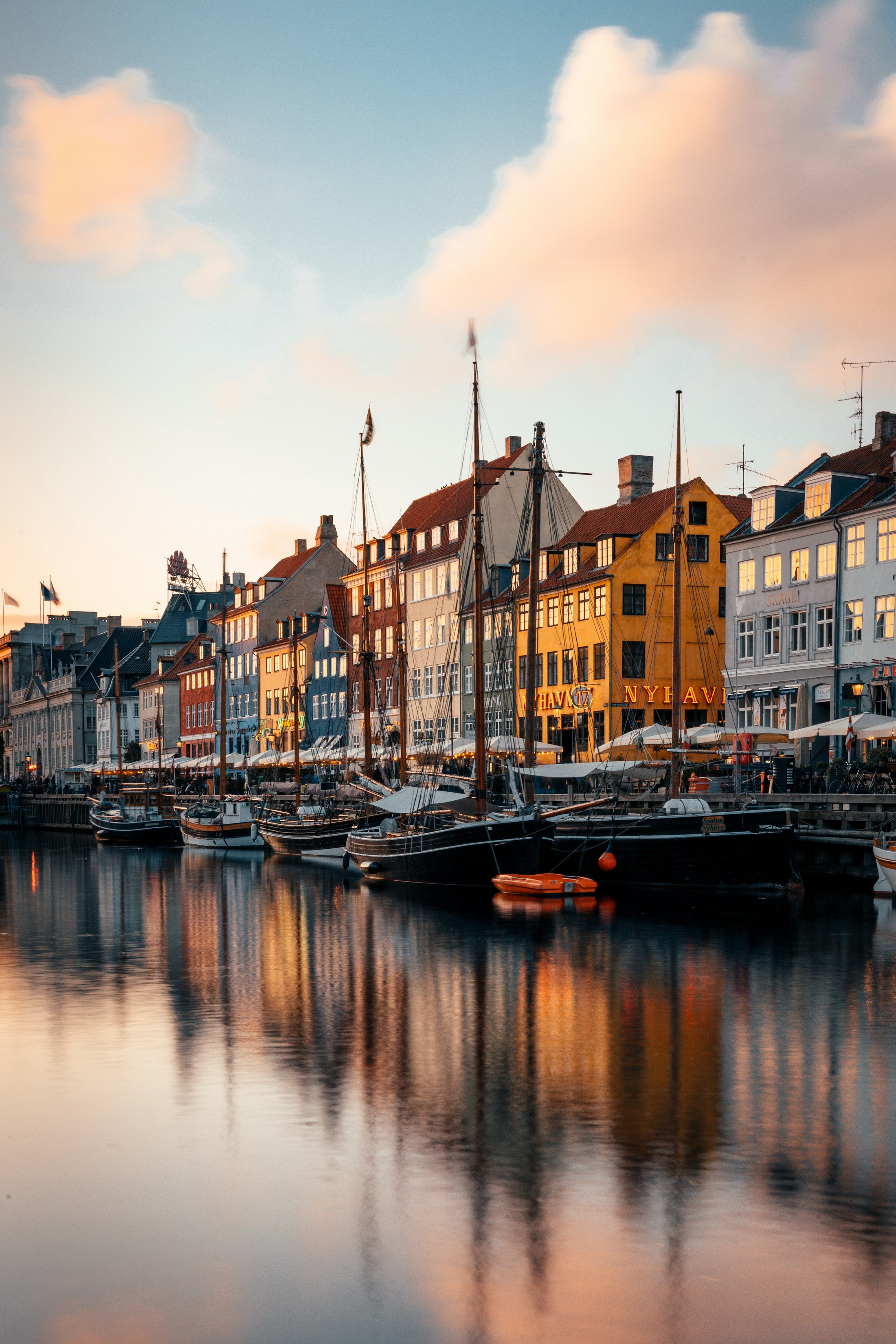
On a grey Tuesday afternoon in Nørrebro, steam curls from a sidewalk window where a Somali-born chef is pressing cardamom-spiced lamb into rye bread — a dish that shouldn't work but absolutely does. Around the corner, a fourth-generation Danish baker pipes remoulade onto pickled herring with the solemnity of a jeweller setting stones. This is Copenhagen's most restless neighbourhood, where culinary identity is being quietly, deliciously rewritten one plate at a time.
This guide maps the essential eating experiences along Nørrebro's central artery and its quieter side streets, from heritage smørrebrød counters to Eritrean injera joints and Palestinian bakeries that have become genuine neighbourhood institutions. It matters because Nørrebro isn't a food trend — it's a living case study in how immigration, affordability, and creative stubbornness produce a dining scene that Michelin-starred Indre By increasingly looks to for inspiration.
1. The Smørrebrød Anchor: Møller Kaffe & Køkken
Start at Møller Kaffe & Køkken on Nørrebrogade 17, where open-faced sandwiches are assembled with a precision that borders on architectural. The lunch menu rotates weekly, but the constants — curried herring on dark rye, beef tartare with capers and egg yolk — demonstrate why smørrebrød endures. You'll eat elbow-to-elbow with retirees and tattoo artists alike.
Order the veterinarian's midnight supper, a towering combination of liver pâté, corned beef, aspic, and raw onion rings. It's unapologetically old-school and deeply satisfying. The accompanying house-brewed snaps, infused with dill and caraway, cuts through the richness like a cold wind off the harbour.
Avoid the temptation to order more than two pieces. Smørrebrød is denser than it looks, and you have a full neighbourhood to eat through. The kitchen closes at 14:30 sharp — arrive by noon or risk watching the last herring leave without you.
The interior is deliberately unfussy: wooden benches, white tile, a single chalkboard menu. This isn't nostalgia tourism. It's a working lunch counter that happens to serve food rooted in 150 years of Danish tradition, updated just enough to stay relevant without losing its soul.
Pro tip:Ask for the 'ugens snaps' (snaps of the week) — it's not listed on the board but always available. Recent infusions have included blackcurrant leaf and roasted fennel seed, made in-house in small batches.
2. Supper Clubs and Somali Kitchens on Heimdalsgade
The Somali supper club movement in Nørrebro doesn't advertise on Instagram. You find it through community WhatsApp groups and handwritten flyers pinned to the noticeboard at Heimdalsgade's halal butcher. Hoyo Cuisine, run by Fardowsa Ahmed from her apartment near Heimdalsgade, hosts Friday evening gatherings where twelve strangers share bariis iskukaris — spiced rice layered with caramelised onions and slow-braised goat.
The format is communal: you sit on floor cushions, eat from shared platters, and surrender any illusion of personal space. Fardowsa's signature dish is a suqaar — diced beef sautéed with green peppers and cumin, served alongside canjeero, a spongy fermented flatbread that doubles as your utensil.
What makes these meals extraordinary isn't exoticism — it's intimacy. You're eating in someone's home, contributing to a donation-based model that funds Fardowsa's catering ambitions. The food is seasoned with confidence, not caution. Expect cardamom, xawaash spice blend, and enough chilli to keep you honest.
To secure a seat, visit the Nørrebro Community House on Thorsgade and ask directly. Events typically fill three days in advance. Bring cash for the suggested donation of 150-200 DKK, and leave your dietary rigidity at the door — flexibility is the price of admission.
Pro tip:The best way to find upcoming supper clubs is through the Facebook group 'Nørrebro Spisefællesskab' — locals post pop-up dinners weekly, spanning Somali, Afghan, and Syrian home cooking. Check Thursday evenings for Friday listings.
Stay in Copenhagen
Top-rated hotels near Copenhagen
Best locations · Verified reviews · Free cancellation
View deals
Expedia →3. Mirabelle: The Bakery That Changed the Neighbourhood
Mirabelle on Guldbergsgade 29 isn't just a bakery — it's the place that proved Nørrebro could sustain artisan ambition without pricing out the locals. Founded by Christian Puglisi, the Noma alumnus behind Relæ, Mirabelle mills its own flour and sources grain from a single Sjælland farm. The sourdough boule alone is worth the 15-minute queue that forms by 08:00 on Saturdays.
Your order should include the cardamom bun, a shellacked, amber-coloured spiral that shatters on first bite before yielding to a soft, spiced interior. Pair it with the filter coffee, roasted by nearby La Cabra. Skip the avocado toast — it's competent but uninspired compared to the pastry work.
The retail shelves stock house-milled flours, fermented hot sauces, and seasonal preserves that make excellent edible souvenirs. A jar of their greengage plum jam, tart and barely sweetened, costs 65 DKK and will outlast any fridge magnet in your memory.
Mirabelle's influence radiates outward. Three bakeries within a 500-metre radius have opened since 2018, each upping their grain sourcing and fermentation game. The neighbourhood's bread quality has improved measurably — a quiet revolution powered by sourdough starter and Puglisi's competitive gravity.
Pro tip: Wednesday mornings are the quietest. The full pastry range is out by 07:30, and by 08:15 you can have a window seat — something virtually impossible on weekends. The Wednesday-only rye porridge with whey butter is exceptional.
4. The Palestinian Corner: Alounak and the Falafel Debate
Nørrebro's falafel rivalry is real, but Alounak on Nørrebrogade 76 consistently wins the argument with its shatteringly crisp exterior and verdant herb-packed interior. The owner, Abu Nidal, has been frying here since 2003, and his technique — double-fried at two temperatures — produces a falafel that stays crunchy even wrapped in bread with tahini and pickled turnip.
Order the mixed plate rather than the wrap. For 89 DKK you get falafel, hummus, baba ghanoush, tabbouleh, and a stack of house-baked flatbread still blistered from the oven. The hummus is aggressively lemony and unapologetically heavy on the raw garlic. This is not a first-date restaurant.
Abu Nidal's pickled chillies, fermented in-house for three weeks, sit in a jar by the counter. Ask for a generous spoonful — they add a lactic tang that transforms the entire plate. Most tourists don't notice them, which is precisely why you should.
The space is bare-bones: fluorescent lighting, plastic chairs, a counter sticky with tahini. None of this matters. You're here because this is the kind of food that turns a casual lunch into a neighbourhood loyalty. Regulars — and there are many — order in Arabic and Danish interchangeably.
Pro tip:Friday afternoons after 15:00, Abu Nidal sometimes makes musakhan — roasted chicken on taboon bread with sumac and caramelised onions. It's not on the menu. Ask if it's available, and if it is, cancel all other plans.
5. Ravnsborggade Wine Bars and the Natural Wine Corridor
Ravnsborggade, the quieter street running parallel to Nørrebro's main drag, has become Copenhagen's most concentrated strip of natural wine bars. Start at Ved Stranden 10's sister outpost, Pompette, at Ravnsborggade 13, where the by-the-glass list changes daily and skews toward low-intervention producers from Jura, Sicily, and the Danish island of Ærø.
The sommelier, usually Mathilde or Jonas depending on the evening, will steer you well if you state a flavour preference rather than a grape. Say 'savoury and lean' and you might receive a glass of oxidative Savagnin. Say 'juicy and chillable' and expect a Frappato from Ferrandes. Trust the pour.
Small plates here are designed to support the wine, not compete with it. The cured mackerel with elderflower vinegar is precise and bright. The pork rillettes on sourdough provide necessary ballast after your third glass. Avoid the cheese plate if you're continuing onward — it's generous enough to end an evening.
Two doors down, Terroirist occupies a former barbershop and pours exclusively Scandinavian wines. The Danish sparkling from Frederiksdal, made from cherries on Lolland, challenges every assumption you hold about Nordic winemaking. A glass costs 95 DKK and tastes like a dare that pays off.
Pro tip:Pompette offers a 'dealer's choice' flight of three glasses for 195 DKK — not listed on the menu but available if you ask. Specify red, white, or mixed, and let the sommelier build your evening. It's the best value in the neighbourhood.
Stay in Copenhagen
Top-rated hotels near Copenhagen
Best locations · Verified reviews · Free cancellation
View deals
Expedia →6. Assistens Cemetery: The Unlikely Picnic Ground
Eating in a cemetery sounds macabre until you visit Assistens Kirkegård on Kapelvej, where Copenhageners sunbathe on Hans Christian Andersen's grave without a trace of irony. This 18th-century burial ground doubles as Nørrebro's de facto park, and assembling a picnic from the neighbourhood's vendors is the best way to synthesise everything you've tasted.
Build your spread strategically. Grab a sourdough loaf from Mirabelle, falafel and hummus from Alounak, a half-bottle of natural wine from Pompette's retail shelf, and a wedge of aged Danish cheese from Østerlandsk Thehus on Nørrebrogade 39. Total cost: approximately 250 DKK for two.
Find a bench near Søren Kierkegaard's headstone in the cemetery's western quarter — it's shaded by linden trees and usually quieter than the main lawn. Spread your provisions, pour your wine into the ceramic cups Pompette sells for 40 DKK, and watch Nørrebro's cross-section drift past: students, pensioners, families speaking five languages at once.
This is where the neighbourhood's culinary story makes sense as a single narrative. Rye bread and canjeero, tahini and remoulade, Jura whites and cardamom tea — none of these traditions asked permission to coexist. They simply did, and the result is Copenhagen's most honest dining district.
Pro tip: The cemetery closes at varying times seasonally — 22:00 in summer, 17:00 in winter. Check the posted hours at the Kapelvej entrance. There are no rubbish bins inside, so bring a bag and leave the grave of Kierkegaard cleaner than you found it.
7. Grød and the Nordic Porridge Renaissance
Grød on Jægersborggade 50 built an entire restaurant around porridge, and the audacity has paid off. The signature dish is a slow-cooked organic oat porridge topped with brown butter, apple compote, and toasted almonds. It costs 69 DKK and delivers the kind of clean, sustained energy that a Danish winter demands.
But the savoury options are where Grød earns its reputation. The risotto-style porridge made with Danish pearl barley, mushrooms, and Vesterhavs cheese is a genuinely complete meal — earthy, umami-rich, and far more sophisticated than the word 'porridge' suggests. Order it for lunch and you'll rethink grain cookery permanently.
Jægersborggade itself deserves exploration. This 200-metre street houses ceramicists, a craft beer bar (Brus, at number 29), and a chocolate maker (Ro Chokolade) — all operating from converted ground-floor apartments. It's Nørrebro's creative economy in miniature, walkable in ten minutes but worth an hour.
Grød's takeaway window, open from 07:30, is the smarter move if you're eating on the go. The porridge travels well in their compostable containers, and eating it on a bench outside while Jægersborggade's shopkeepers open their doors is one of Copenhagen's most pleasantly unremarkable morning rituals.
Pro tip:Ask for the 'hemmeligt topping' (secret topping) — a rotating addition not printed on the menu. Recent versions have included black garlic honey and smoked sea salt from Læsø. It costs an extra 15 DKK and is always worth it.
Essential tips
Rent a bike from Donkey Republic (app-based, 30 DKK/hour) to cover Nørrebro efficiently. The neighbourhood is flat and bike-laned, and cycling between Nørrebrogade, Jægersborggade, and Ravnsborggade takes under five minutes — faster than any bus.
Denmark is almost entirely cashless, but several Nørrebro supper clubs and smaller kebab shops remain cash-only. Carry 300-500 DKK in notes as backup. ATMs from Danske Bank on Nørrebrogade charge no withdrawal fee for most international cards.
Danish lunch service is sacred and brief. Most smørrebrød counters and lunch spots serve between 11:30 and 14:30, then close until dinner. Plan your midday eating precisely — arriving at 14:00 often means watching kitchens shut down around you.
Copenhagen rain is persistent but rarely heavy. Pack a compact waterproof jacket rather than an umbrella — you'll need free hands for carrying bakery bags and wine bottles. Weather shifts hourly, so don't cancel outdoor plans based on a morning forecast.
English is universally spoken, but opening with 'Hej' and 'Tak' (hello and thanks) shifts the dynamic noticeably. In Somali and Palestinian-run spots, a smile and patient ordering earns you larger portions and off-menu recommendations more reliably than any Danish phrase.
Ready to visit Copenhagen?
Book your hotel, flights, and activities through our Expedia-powered search.