In This Guide
- 1.Plaza de la Trinidad: The Gravitational Centre of Getsemaní's Night
- 2.The Picó Sound Systems: Understanding Cartagena's Musical Monuments
- 3.Bazurto Social Club: Where Champeta Meets the Cocktail Bar
- 4.Champeta Criolla vs. Champeta Urbana: A Listener's Guide
- 5.The May Block Parties: Barrio San Diego Spillover and Calle de la Sierpe Sessions
- 6.Alquímico Rooftop: The Civilised Nightcap Above the Chaos
- 7.The Morning After: Palenquera Fruit Vendors and Recovery Rituals
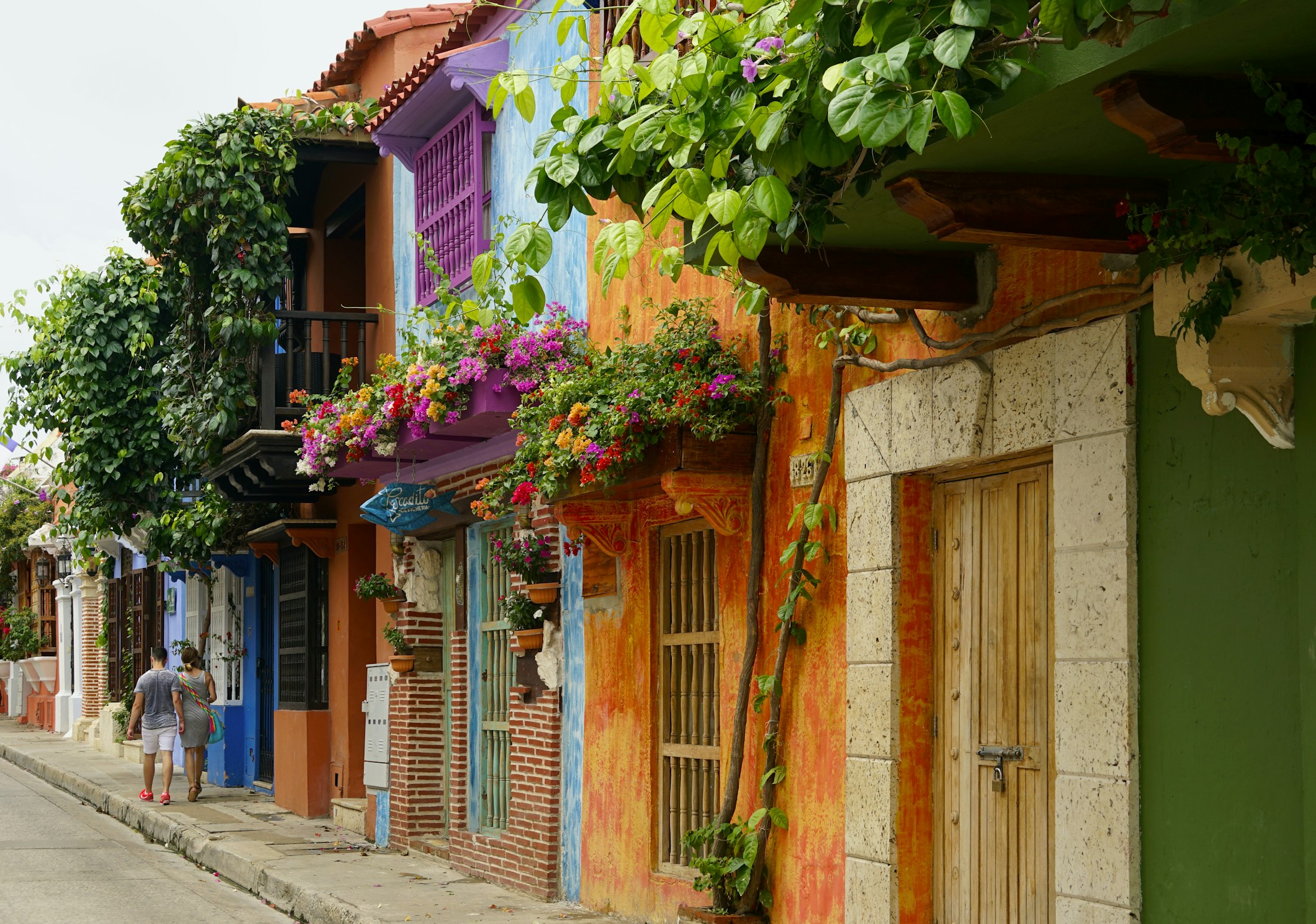
The bass arrives before you round the corner. Somewhere past the peeling ochre walls of Calle de la Sierpe, a towering sound system — a picó — is shaking the humid May air with an African-rooted rhythm that Cartagena claims as its own. This is Getsemaní after dark, where champeta music transforms residential plazas into open-air dance floors, and the boundaries between performer and audience dissolve into a collective, sweat-soaked celebration that lasts until dawn.
This guide maps the essential champeta block parties, sound system events, and Afro-Colombian nightlife experiences that define Getsemaní in May — the month when the neighbourhood's cultural calendar peaks before the summer tourist crush. You'll find specific venues, the DJs and picoteros worth tracking down, what to drink, how to move through these spaces respectfully, and why this particular sonic tradition matters far beyond the dance floor. Consider it your field manual for one of the Americas' most electric nightlife scenes.
1. Plaza de la Trinidad: The Gravitational Centre of Getsemaní's Night
Every evening in Getsemaní begins at Plaza de la Trinidad, the neighbourhood's undisputed social nucleus. By 8 PM, clusters of locals and knowing travellers settle onto the church steps with Aguila beers and empanadas from the vendors who ring the square. The energy is casual but charged — you can feel the night assembling itself.
On weekends in May, the plaza frequently hosts impromptu champeta sessions. Local DJs set up modest speakers and the dancing starts organically, usually around 10 PM. These aren't ticketed events — they're neighbourhood gatherings. Your role is to be a respectful guest, not a spectator framing content.
Before heading deeper into the night, eat at La Cocina de Pepina, tucked on Calle Larga del Colegio near the plaza's southeast corner. Their coconut rice with fried fish grounds you with the Afro-Colombian flavours that parallel the music you're about to hear. Order the juice of corozo — a tart, deep-red local berry — instead of another beer.
The plaza is also your orientation point. From here, Calle de la Media Luna and Callejón Angosto branch into the neighbourhood's denser nightlife corridors. Keep the church at your back and walk south to find the louder venues. May's warm rain showers pass quickly — locals barely pause dancing when they hit.
Pro tip:Arrive at Plaza de la Trinidad between 7:30 and 8 PM to claim a spot on the church steps. By 9 PM they're packed. Buy your first drink from the woman selling limonada de coco on the north side — she's been there twenty years.
2. The Picó Sound Systems: Understanding Cartagena's Musical Monuments
A picó is not a DJ booth. It's an enormous, custom-built sound system — sometimes two stories of hand-painted speakers — that functions as both instrument and cultural institution. Originating in Cartagena's Afro-Colombian barrios in the 1960s, picós were the vehicles through which African and Caribbean records reached working-class ears. Today, they remain the beating heart of champeta culture.
The most legendary picó still operating is El Rey de Rocha, which occasionally sets up in Getsemaní's surrounding neighbourhoods like Bazurto and Olaya Herrera during May fiestas. Tracking these events requires asking locally — check with staff at Café Havana on Calle de la Media Luna or the bartenders at Alquímico. Social media accounts for El Rey post locations 24 to 48 hours before events.
When you encounter a picó event, position yourself midway back from the speakers. The front rows deliver physical bass pressure that genuinely rattles your chest — exhilarating for twenty minutes, punishing for two hours. The sweet spot is fifteen metres back, where the sound balances and you can actually dance without bracing yourself.
Pickup champeta dancing isn't choreographed in a formal sense, but it follows a vocabulary. Watch the couples around you: the movement centres in the hips and waist, with quick lateral footwork. No one expects you to be expert, but attempting the basic step earns genuine warmth from locals. Standing still with your phone out does the opposite.
Pro tip:Ask any mototaxi driver in Getsemaní 'Dónde hay picó esta noche?' — they are the most reliable real-time source for sound system events happening that evening across Cartagena's neighbourhoods.
Stay in Cartagena
Top-rated hotels near Cartagena
Best locations · Verified reviews · Free cancellation
View deals
Expedia →3. Bazurto Social Club: Where Champeta Meets the Cocktail Bar
Located on Calle 9 in the Media Luna strip, Bazurto Social Club bridges Getsemaní's raw street-party culture with a more curated nightlife experience. The venue's open-air layout and hand-painted murals channel the aesthetic of the Bazurto market neighbourhood, and the music policy leans heavily into champeta, salsa dura, and Afrobeat — no reggaetón fillers here.
May is high season for their live champeta sets, typically Thursday through Saturday starting around 11 PM. The house band rotates but frequently features musicians from the Palenque de San Basilio diaspora — the community historically recognised as the first free African settlement in the Americas. The cultural lineage in the room is tangible.
Order the tamarind margarita — it balances sweet, sour, and saline in a way that suits the climate. Avoid the rum buckets marketed to groups; they're overpriced and overly sweet. Instead, ask for Ron Viejo de Caldas neat with a wedge of lime. Your bartender will note the choice approvingly.
The dance floor fills around midnight and peaks near 2 AM. If you want space to move, arrive by 11:30 PM and claim a spot near the left speaker stack. By 1 AM, the room becomes a single organism of movement. Don't fight it — let the crowd's rhythm become yours.
Pro tip:Bazurto Social Club charges a cover of roughly 30,000 to 50,000 COP on live music nights. Arrive before 11 PM and you'll often skip the cover entirely — the door policy is informal early in the evening.
4. Champeta Criolla vs. Champeta Urbana: A Listener's Guide
You'll hear two distinct champeta dialects on any given Getsemaní night, and understanding the difference deepens the experience immeasurably. Champeta criolla — the older form — draws directly from West African soukous and Congolese rumba, filtered through Palenquero culture. Its rhythms are polyrhythmic and unhurried, with call-and-response vocals. Artists like Louis Towers and Charles King defined this tradition.
Champeta urbana emerged in the early 2000s, incorporating digital production, reggaetón-adjacent beats, and Spanish-language lyrics that address love, barrio life, and social resistance. Artists like Mr Black and Kevin Florez brought this iteration mainstream. You'll hear it pumping from storefronts, taxis, and the smaller mobile speakers that appear in the plaza after midnight.
At Café Havana, on the corner of Calle de la Media Luna and Calle del Guerrero, the DJ sets lean toward salsa and son Cubano, but request champeta criolla tracks and the staff will often oblige. The venue's open windows let the sound spill into the street, creating a secondary listening experience for passersby who gather on the sidewalk.
To go deeper, visit Tienda de Discos La Fantástica in the Bazurto market area — a twenty-minute walk northeast from Getsemaní. This cramped record shop stocks original champeta vinyl and the staff will play selections for you. Budget an hour and buy something — supporting this preservation work matters.
Pro tip:Search 'champeta criolla clásica' on Spotify or YouTube before your trip. Familiarity with tracks by Viviano Torres, Louis Towers, and Elio Boom lets you recognise songs at block parties, which transforms you from outsider to participant.
5. The May Block Parties: Barrio San Diego Spillover and Calle de la Sierpe Sessions
May's block parties in Getsemaní don't follow a published schedule — they're organised through WhatsApp groups, word of mouth, and the quiet negotiations between neighbourhood leaders and the local police. The most reliable corridor is Calle de la Sierpe, where sound systems appear on Friday and Saturday nights between the second and fourth weeks of May, often coinciding with local saints' celebrations.
These events are fundamentally community gatherings. Families bring children early in the evening; the energy shifts to adults-only around midnight. You'll see elderly couples dancing champeta with a precision that makes the young crowd step back and watch. Food vendors sell fried cheese arepas, butifarra sausages, and plastic cups of rum-and-Coca-Cola for 5,000 COP.
The spillover from the neighbouring San Diego barrio adds another dimension. When Getsemaní's parties reach critical mass, satellite gatherings form in the connecting streets — particularly along Calle del Pozo and Callejón de los Estribos. Following the sound is your best navigation tool. If the bass is getting louder, you're heading the right way.
A critical note: these are not tourist events packaged for your consumption. You're entering someone's neighbourhood celebration. Buy from the local vendors, tip generously, ask before photographing people, and avoid treating the scene as exotic spectacle. The warmth you'll receive in return is extraordinary — Cartageneros are deeply proud of this culture and eager to share it on respectful terms.
Pro tip: Carry small bills — 2,000 and 5,000 COP notes — for food, drinks, and tipping at block parties. Vendors rarely have change for 50,000 COP notes, and fumbling with large bills slows down lines and flags you as unfamiliar.
Stay in Cartagena
Top-rated hotels near Cartagena
Best locations · Verified reviews · Free cancellation
View deals
Expedia →6. Alquímico Rooftop: The Civilised Nightcap Above the Chaos
After hours of champeta bass rattling your sternum, the rooftop bar at Alquímico — Calle del Colegio No. 34-24 — offers the ideal counterpoint. Consistently ranked among Latin America's best cocktail bars, this three-storey venue saves its quietest, most atmospheric space for the top floor, where you can survey Getsemaní's rooftops and the illuminated dome of San Pedro Claver in the distance.
Order the Palenquera — a house cocktail built on Paranubes rum, tamarind, panela syrup, and a whisper of ají dulce pepper. It's a liquid distillation of the Afro-Colombian flavour profile you've been experiencing all night. Avoid the ground floor on weekends past midnight; it becomes a bottleneck of tourists. Head directly upstairs.
The bartenders here are genuine cocktail scholars. If you mention champeta or picó culture, several of them will share their own recommendations for events happening later that week. These are people deeply embedded in Getsemaní's cultural fabric — not service workers performing friendliness. Treat the conversation as a two-way exchange.
Alquímico closes at 3 AM, which times perfectly with the wind-down of most block parties. The walk back through Getsemaní's quieter streets at that hour — graffiti murals glowing under amber streetlights, the last echoes of bass from a distant picó — is one of Cartagena's most evocative experiences. Linger with it.
Pro tip: Make a reservation at Alquímico via their Instagram DM for Friday or Saturday nights — walk-ins after midnight face waits of thirty minutes or more. Request a rooftop table specifically; they honour these requests when possible.
7. The Morning After: Palenquera Fruit Vendors and Recovery Rituals
Getsemaní's mornings belong to the Palenqueras — the Afro-Colombian women in vivid dresses who carry bowls of tropical fruit on their heads. These women are direct descendants of the Palenque de San Basilio community, and their presence connects the neighbourhood's daytime economy to the same cultural lineage that fuels its nightlife.
Find them near Plaza de la Trinidad from 7 AM onward. Buy a bowl of mango biche with salt and lime — the tartness and mineral hit function as a superior hangover remedy. Mamoncillo, the small green fruit you crack open to suck the tangy flesh from the seed, is also available in May and pairs well with strong coffee from Época Espresso Bar on Calle de la Sierpe.
Your post-champeta recovery walk should include the street art corridor along Callejón Angosto, where murals by local and international artists depict Afro-Colombian history, champeta musicians, and Palenquera iconography. The art contextualises what you experienced the night before — the music, the dancing, the community pride — in visual form.
Finally, rehydrate seriously. Cartagena's May humidity averages 80 percent, and a night of dancing and rum depletes you faster than you realise. The coconut water sold by street vendors — served directly from the machete-opened fruit — is your most effective recovery tool. Drink two before attempting anything ambitious.
Pro tip: When buying fruit from Palenqueras, agree on a price before the bowl is prepared — 10,000 COP is fair for a generous portion. These women are entrepreneurs, not photo opportunities. If you want a photograph, buy fruit first and ask permission second.
Essential tips
Wear closed-toe shoes with grip to block parties — Getsemaní's colonial cobblestones become slick after May rain showers, and broken glass is an occasional hazard at street events. Leave the sandals at the hotel.
Carry no more than 100,000 COP in cash and leave cards at your accommodation when attending block parties. Petty theft increases in crowded outdoor events. A slim front-pocket wallet or money belt is sufficient.
Use InDriver or DiDi instead of Uber for late-night rides from Getsemaní — Uber availability drops sharply after 2 AM in Cartagena. Negotiate fares before confirming. A ride to Bocagrande should cost no more than 15,000 COP.
May sits at the start of Cartagena's wet season. Brief, heavy downpours hit most evenings between 5 and 7 PM, then clear completely. Pack a compact rain shell for the walk to evening events — you won't need it after 9 PM.
Bring high-fidelity earplugs like Loop or Etymotic if you plan to stand near picó speakers. They reduce volume without flattening the sound quality — essential for protecting your hearing while preserving the music's richness across a long night.
Ready to visit Cartagena?
Book your hotel, flights, and activities through our Expedia-powered search.


